
Ovarian cancer is often detected far too late, but groundbreaking new research from Mayo Clinic may offer a way to catch it before it even begins.
A Rare Patient Case Sparked a Scientific Breakthrough
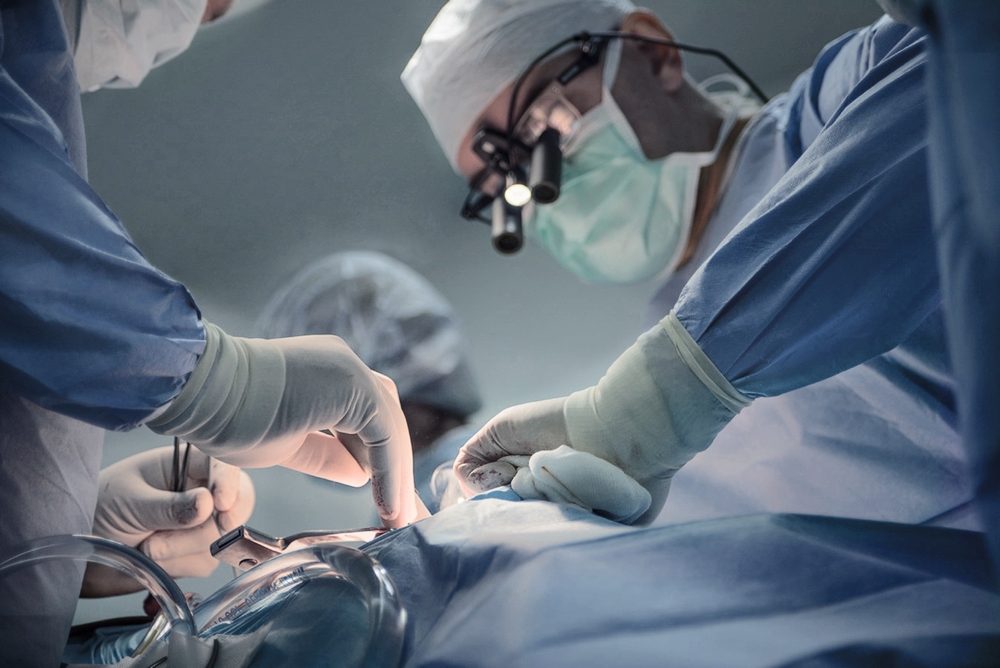
At just 22 years old, a young woman with two rare hereditary gene mutations made the bold choice to undergo preventative surgery, removing both her breasts, ovaries, and fallopian tubes. Her proactive decision became the launchpad for a scientific discovery that could change the future of ovarian cancer detection.
Subtle Changes Found in Normal-Looking Tissue

What looked like completely normal fallopian tube tissue under the microscope told a very different story under advanced cellular analysis. Researchers uncovered previously invisible but critical cellular changes — precisely in the epithelial lining of the fallopian tubes, where many cases of ovarian cancer are now believed to begin.
A Never-Seen-Before Cellular Imbalance

What they discovered was startling: the woman’s fallopian tubes showed a dramatic imbalance between two key cell types. There was an overabundance of secretory cells and a near-complete absence of ciliated (hair-like) epithelial cells — a combination that had never been documented before and could indicate a dramatically increased cancer risk.
Also read: Is Gluten Actually Bad for You? Here’s What Happens When You Cut It Out
Chronic Inflammation as a Hidden Culprit

The secretory cells in her fallopian tubes showed signs of chronic inflammation, a well-known factor in many cancers. But this was the first time it had been observed directly at the cellular level in living human tissue, supporting theories that inflammation may be an early driver of cancer in reproductive organs.
Hormonal Protection Didn’t Work

Surprisingly, despite being on hormonal contraception — typically considered protective against ovarian cancer — the woman’s fallopian tube cells lacked progesterone receptors. This suggests she may not have benefitted from the protective effect, raising questions about how well standard prevention works in genetically predisposed individuals.
Mini-Organs Offer Real-Time Cancer Tracking

Using cutting-edge organoid technology, researchers have now developed a biobank of miniature organs (organoids) grown from patient fallopian tube tissue. These lab-grown models allow scientists to observe, track, and study the early stages of cancer development cell by cell, offering new insight into when and how the disease begins.
Toward Early Screening and Personalized Prevention

For the first time, scientists believe it's possible to develop screening tools that detect fallopian tube abnormalities before cancer spreads to the ovaries or beyond. This shift could be a game-changer in catching the disease at a much more treatable stage.
Also read: Do You Experience These Symptoms in the Morning? Then You Should Get Checked for Diabetes
Rethinking Where Ovarian Cancer Begins

This research also challenges long-held assumptions. Instead of originating in the ovaries, ovarian cancer may actually begin in the fallopian tubes — a subtle, hidden process that’s gone undetected for decades. If confirmed, it could completely reshape how we understand and treat the disease.
A Global Effort with Patient Heroes at the Center
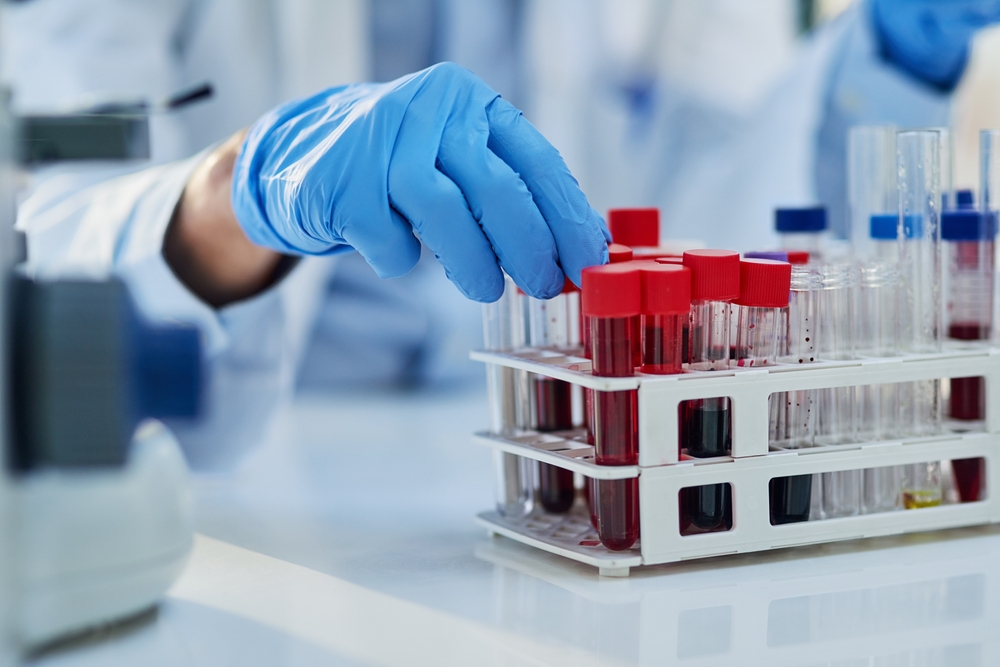
This breakthrough wouldn’t have been possible without the women who donated their tissue to science. Supported by a global collaboration between Mayo Clinic and researchers in Sweden, Denmark, and Australia, this study shows what’s possible when patients and scientists work together.
The article is based on information from News Medical
Also read: Too Busy to Stay Healthy? These Are the Everyday Habits People Keep Skipping
Also read: Snap, Crackle, Pop! Here’s What Your Joints Are Trying to Tell You
This article is made and published by Mie Hermansen, who may have used AI in the preparation.