
What started as a personal challenge for SEO Manager for Women's Health Amy May Ellis to walk 20,000 steps every day for a month turned into a valuable lesson about habits, planning, and recovery.
20,000 steps take a lot of time
It quickly became clear that the goal could not be achieved simply by taking the stairs or adding a few short walks throughout the day.
Instead, dedicated periods of time had to be set aside specifically for walking.
Her morning routine changed
To make room for all the steps, she changed her commute so she could walk for around 45 minutes before even having her morning coffee.
Also read: Just 13 minutes of exercise a day may be enough to lower your risk of early death
Planning was essential
Without a clear plan, reaching the daily target would not have been possible.
The challenge required consciously prioritizing her time.
Big goals are not for everyone
It became clear that a challenge like this can be difficult to combine with a busy schedule, multiple commitments, or long working days.
Short walks are valuable too
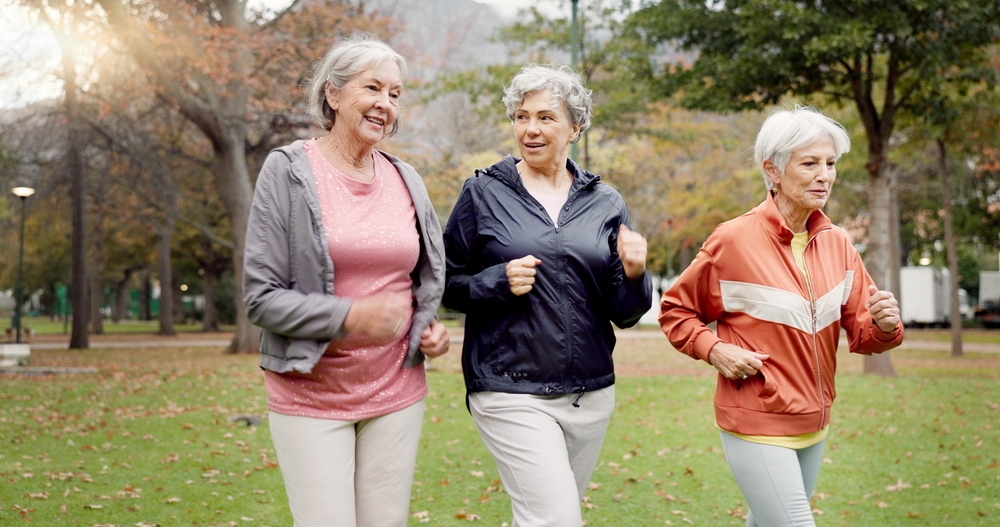
Even a brisk 10-minute walk can have positive health benefits, so there is no need to dramatically increase your daily step count overnight.
Also read: The 10-second one-leg balance test linked to early death, and how you compare by age
Vacation was allowed to be a vacation

During a long weekend away with friends, the 20,000-step goal was not achieved.
Instead, the focus was on spending time together, relaxing, and enjoying the experience.
Exercise should not become a burden

The experience highlighted the difference between taking on a challenge out of motivation and feeling guilty when the target was not reached.
Health is about more than exercise

Both physical and mental well-being matter. If a fitness goal starts to feel overwhelming, it is worth considering whether it is still the right goal.
Also read: Cardiologists spotlight two foods that may lower cholesterol
Routines made the challenge easier

After a few weeks, it became second nature to choose longer routes, spend more time walking outdoors, and walk instead of taking the bus.
The body pushed back when tired

Days with poor sleep or late nights made it significantly harder to reach the daily step target.
As a result, listening to her body's signals became a priority.
Running added plenty of steps
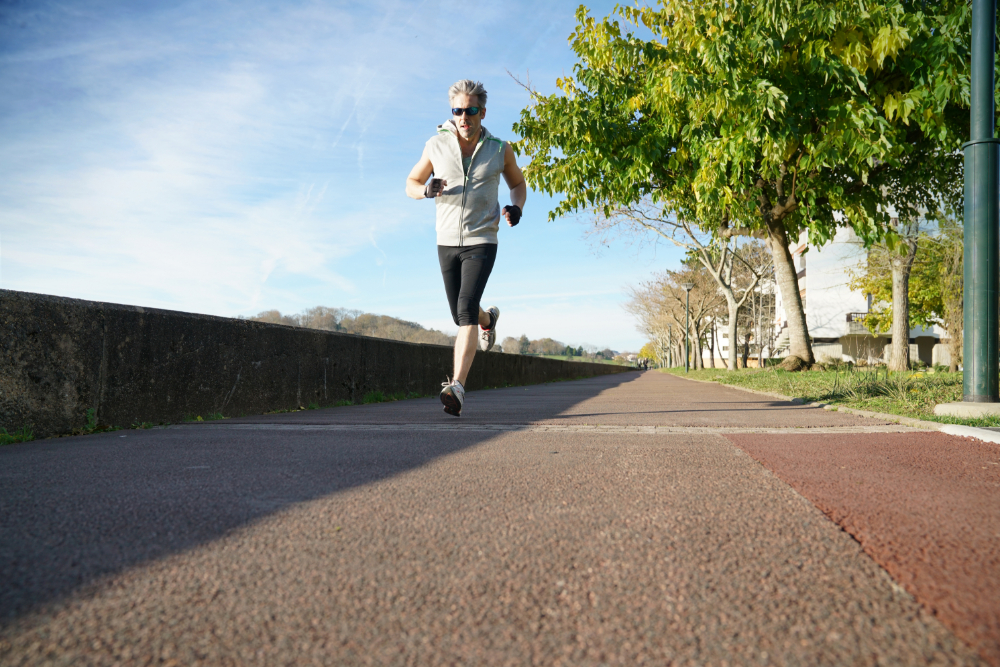
On days that included a 10-kilometre run, around half of the daily step target was achieved automatically, making it much easier to reach the goal.
Also read: Study investigates what an avocado a day actually does for your health
More steps can be built up gradually
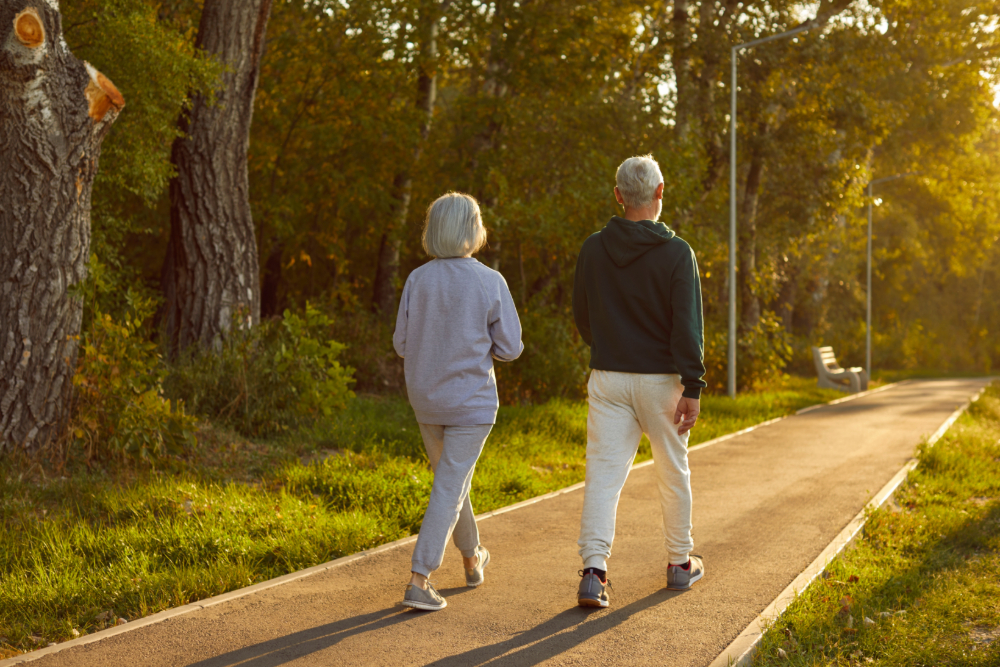
The overall conclusion was that it is better to increase activity levels gradually than to make a dramatic change all at once.
Walking offered more than exercise
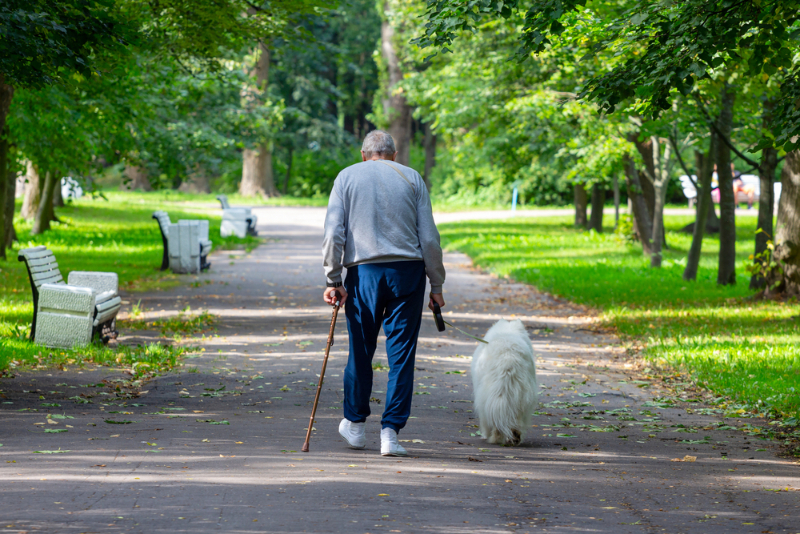
Beyond the physical benefits, the walks created opportunities to spend time with others, enjoy fresh air, and take meaningful breaks from a sedentary lifestyle.
Also read: Here's how sitting still for too long can affect your heart
This article is made and published by Ida-Marie Palm Varbæk, who may have used AI in the preparation.