
Most people associate a healthy heart with regular exercise, but what you do between workouts matters too. Growing research suggests that spending long hours sitting can affect circulation and increase the risk of cardiovascular disease, reports Baptist Health South Florida.
Moving throughout the day matters

Recent research suggests that prolonged sitting is a health risk of its own. Even people who meet recommended exercise guidelines may be affected if they spend most of the day sitting.
Experts recommend more movement breaks

Heart specialists encourage people to break up long periods of sitting by standing up or walking around for a few minutes throughout the day to help keep the circulatory system active.
Your circulation slows without movement

The human body is designed to move. When muscles are active, they help keep blood flowing efficiently, but long periods of inactivity slow this natural process.
Also read: Sauna may help the body handle high temperatures
Blood flow in the legs decreases

Sitting for hours at a time reduces the return of blood from the legs to the heart. As a result, blood can begin to pool in the lower limbs.
Blood vessels can also be affected
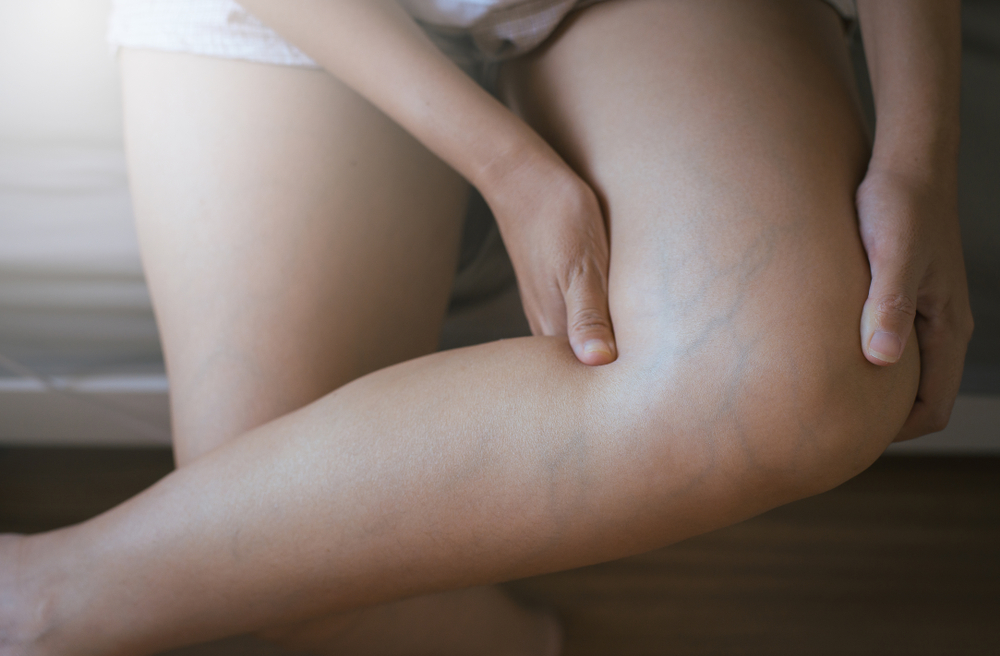
Beyond slowing circulation, prolonged inactivity may impair the normal function of blood vessels. Over time, this may contribute to the development of atherosclerosis.
The risk of heart disease increases

Studies have linked prolonged sitting to a higher risk of heart attack, stroke, heart failure and death from cardiovascular disease.
Other health conditions add to the risk
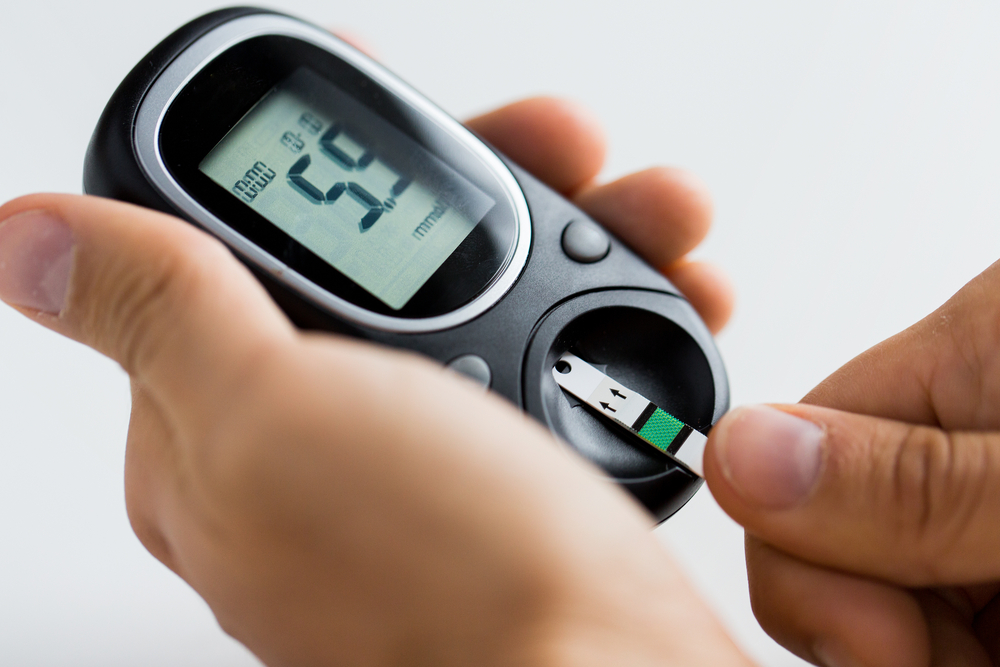
Excessive sitting has also been associated with obesity, type 2 diabetes and metabolic syndrome, all of which can increase the risk of heart disease.
Also read: Two dead as parasite outbreak spreads across the US
High blood pressure puts extra strain on the heart
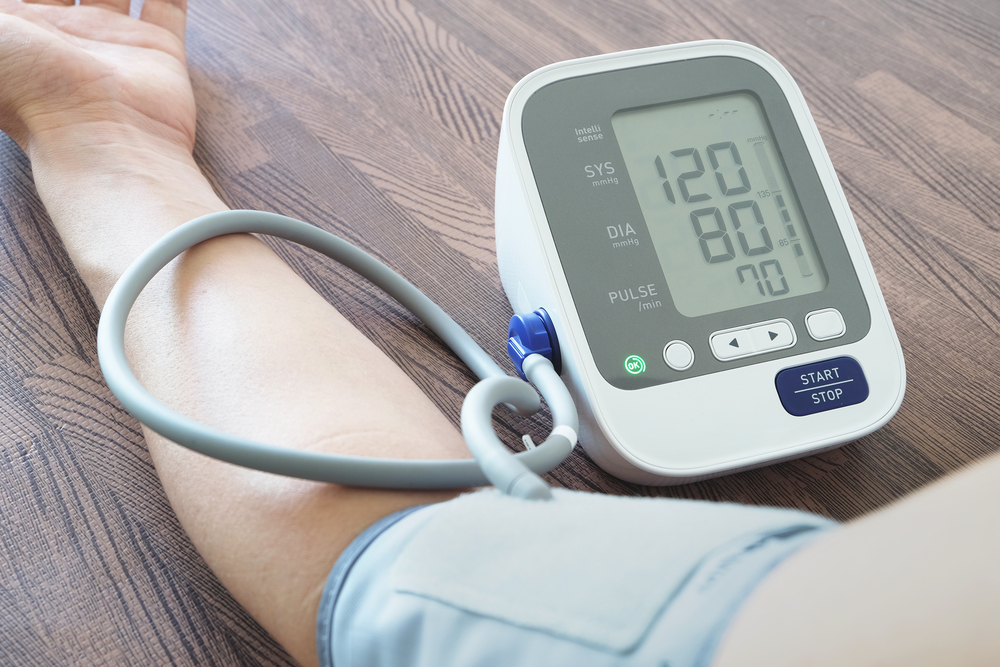
High blood pressure forces the heart to work harder to pump blood throughout the body. Reduced circulation may also lead to swelling, discomfort and tiredness in the arms and legs.
A major study supports the findings

A study published in 2024 found that adults who spent more than about 10.5 hours a day being sedentary had a significantly higher risk of heart failure and cardiovascular death, even if they exercised regularly.
Short activity breaks can help
Research shows that replacing periods of sitting with short walks or standing breaks can improve blood flow and reduce stiffness.
Your calf muscles help pump blood

The calf muscles are often called the body's "second heart" because each contraction helps push blood back toward the heart through the veins.
Also read: Experts reveal the best way to prepare zucchini
Switching positions Is better than standing all day
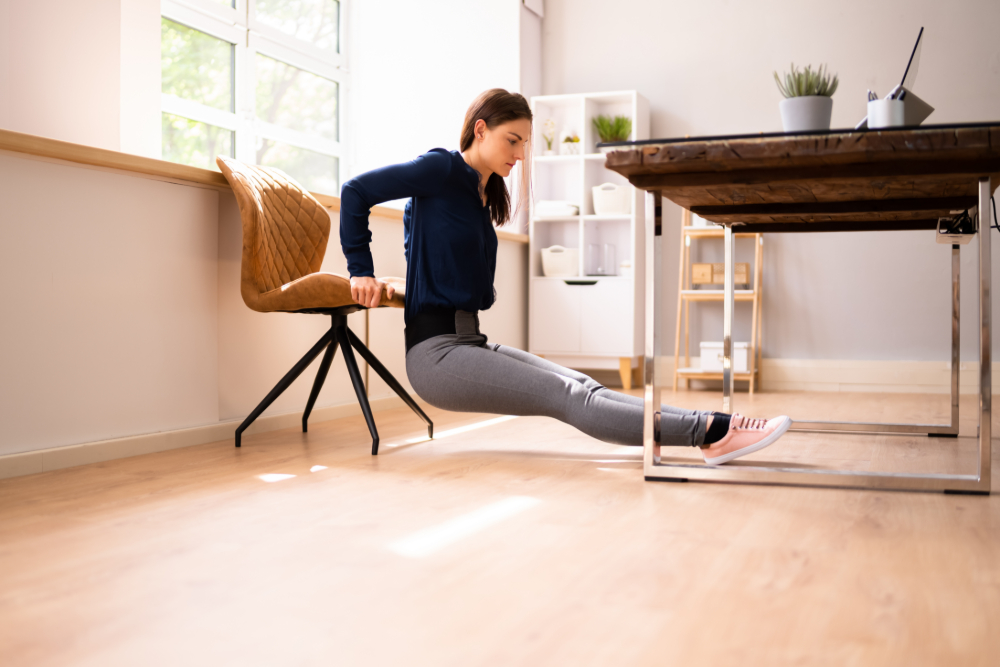
A sit-stand desk may help reduce overall sitting time, but experts say the greatest benefit comes from alternating between sitting, standing and walking.
Small daily habits can make a difference
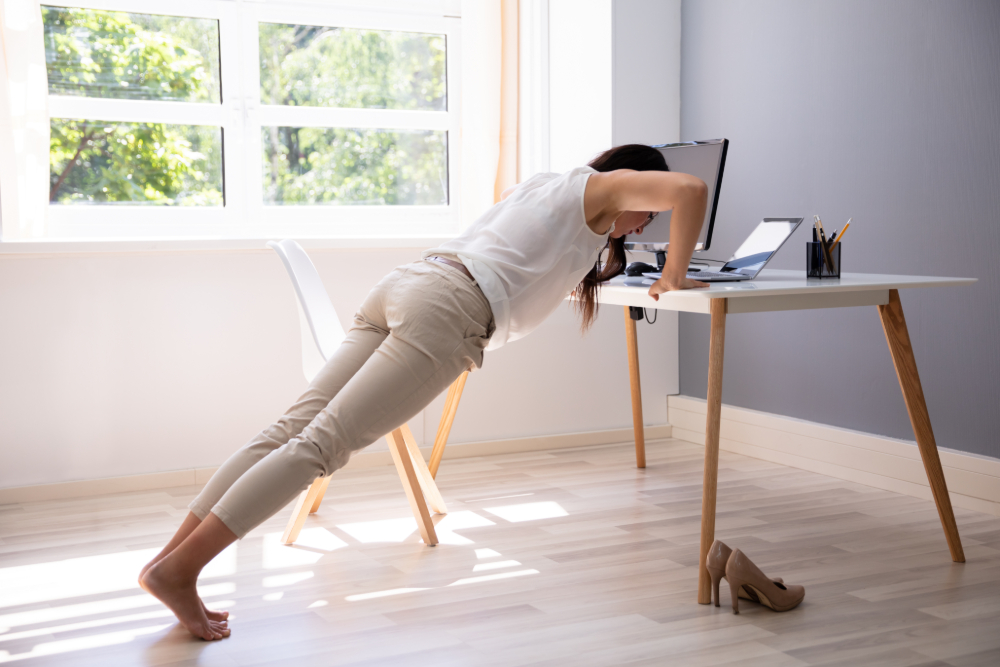
Simple changes such as standing up every hour, taking the stairs, walking while talking on the phone, parking farther away or taking a short walk after meals can help reduce long periods of uninterrupted sitting.
Also read: New study challenges a common belief about sparkling water
Also read: How one week of eating less salt can change your blood pressure
This article is made and published by Mie Hermansen, who may have used AI in the preparation.