
A simple blood test may soon become one of the most powerful tools to detect liver disease years before symptoms appear. Researchers in Sweden and Finland have developed a new model that can predict risk with striking accuracy – and the tool is already available online.
A breakthrough for early detection
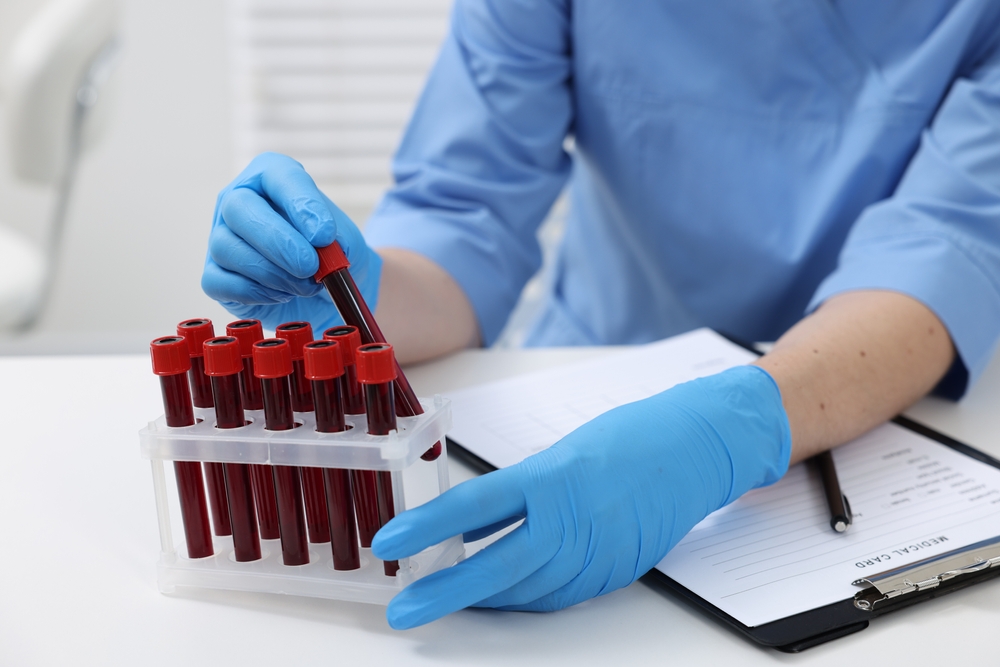
The CORE model, created at Karolinska Institutet, uses routine blood tests combined with basic patient information to forecast liver disease risk.
Five key factors determine risk
Age, sex, and three common liver enzymes (AST, ALT, and GGT) form the basis of the calculation, providing an early snapshot of liver health.
Tested on nearly half a million people
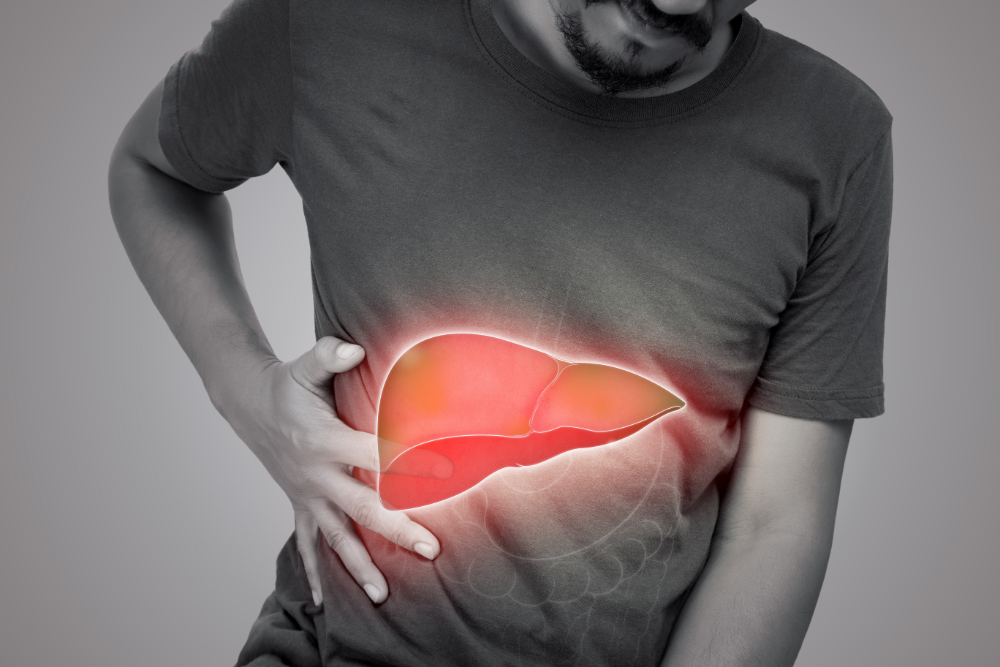
The study analyzed health data from more than 480,000 Swedes, followed for up to 30 years. About 1.5 percent later developed severe liver disease.
Also read: New Covid Variant Spreading – Experts Warn of a Distinctive Symptom
Higher accuracy than current methods
The CORE model correctly distinguished between patients at risk and those not at risk in 88 percent of cases, outperforming the widely used FIB-4 test.
Designed for everyday healthcare
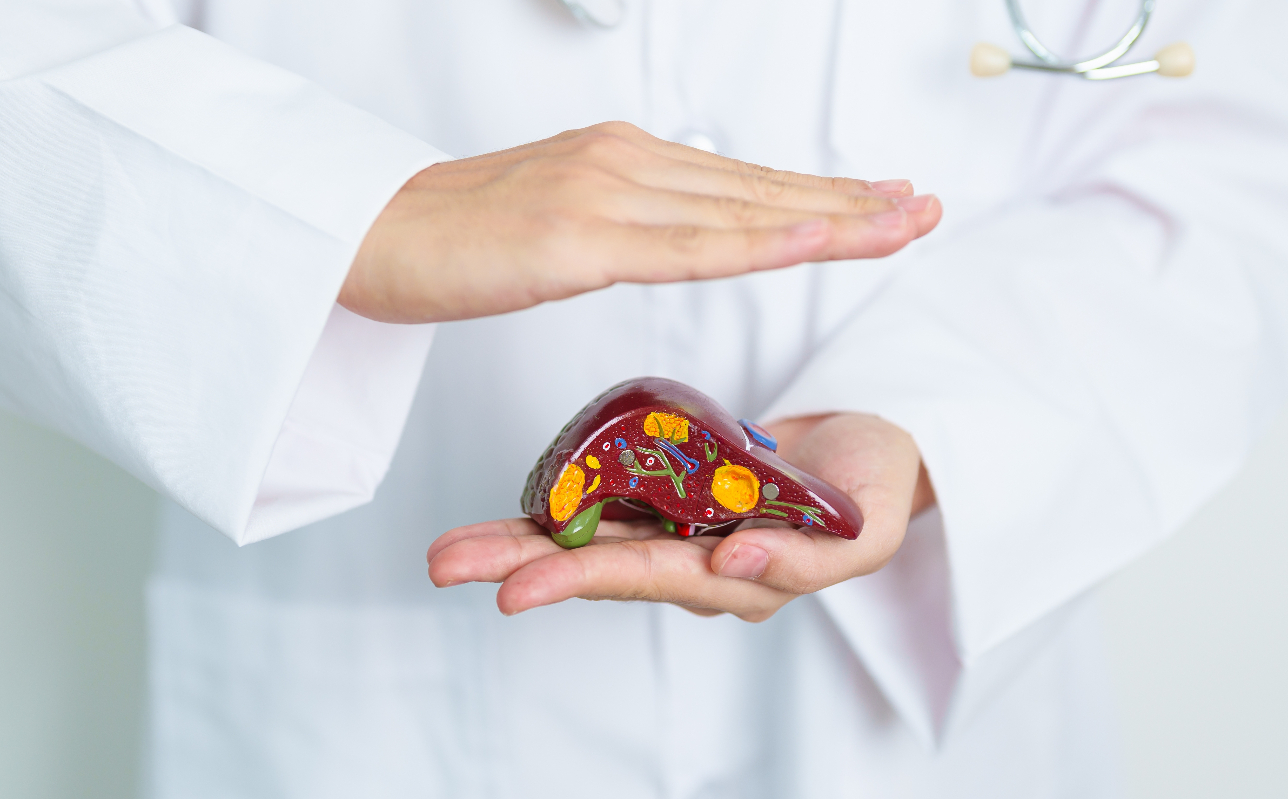
One of the key advantages is that the model can be implemented directly in primary care, where most patients first seek help.
Online calculator already available
Doctors and nurses can already access the tool via a web-based platform at www.core-model.com, making it easy to integrate into practice.
Detecting cirrhosis and cancer earlier

By identifying patients at high risk, the test could enable earlier diagnosis of conditions like cirrhosis and liver cancer, where late detection often means poor prognosis.
Also read: Dietitian Recommends: Here Are the Best Protein Sources
Validated in multiple countries

Beyond Sweden, the method has also been tested in Finland and the UK, showing consistently high accuracy across populations.
Opening doors for treatment

With new drugs for liver disease becoming available, researchers believe the model could guide preventive care and better treatment strategies.
Next steps for research

The team emphasizes the need to validate the model in high-risk groups, such as people with obesity or type 2 diabetes, and to integrate it into electronic medical records for broader use.
This article is based on information from ScienceDaily
Also read: What You Eat Might Be Turning Into Nightmares
Also read: This Is What Happens in Your Body If You Don’t Get Enough Vitamin C
This article is made and published by Mie Hermansen, who may have used AI in the preparation.