
Some people over the age of 80 manage to keep the memory and sharpness of someone decades younger. New research reveals what sets these “superagers” apart—and one surprising personality trait they all seem to share.
Outstanding memory performance
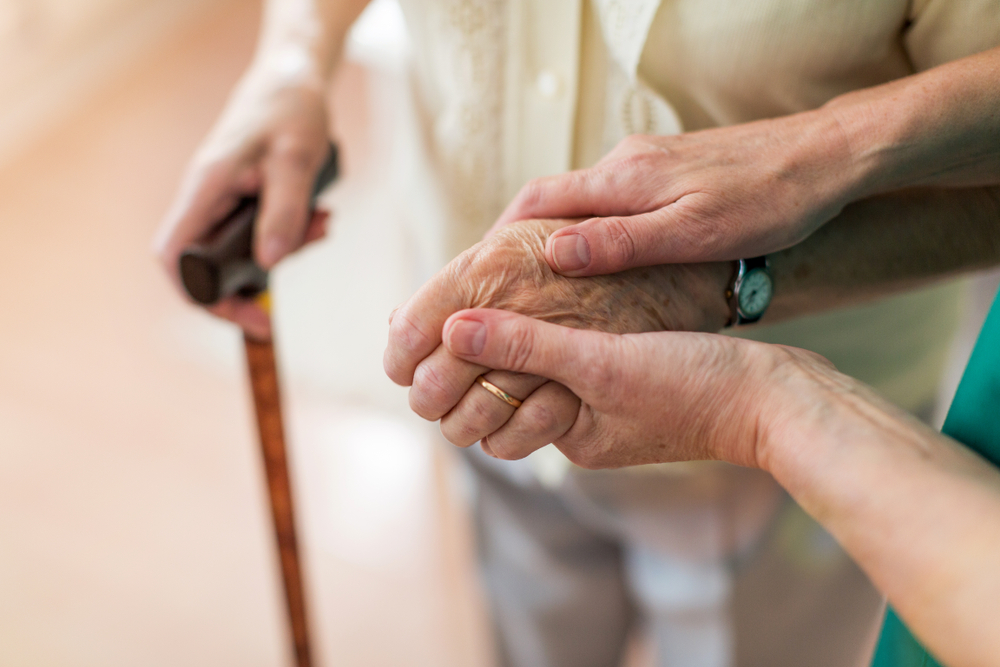
Superagers can recall far more information than their peers, such as remembering at least nine words from a list read to them 30 minutes earlier.
High levels of gregariousness

All superagers studied showed a strong tendency toward sociability, engaging actively with others and maintaining strong personal connections.
More von Economo neurons
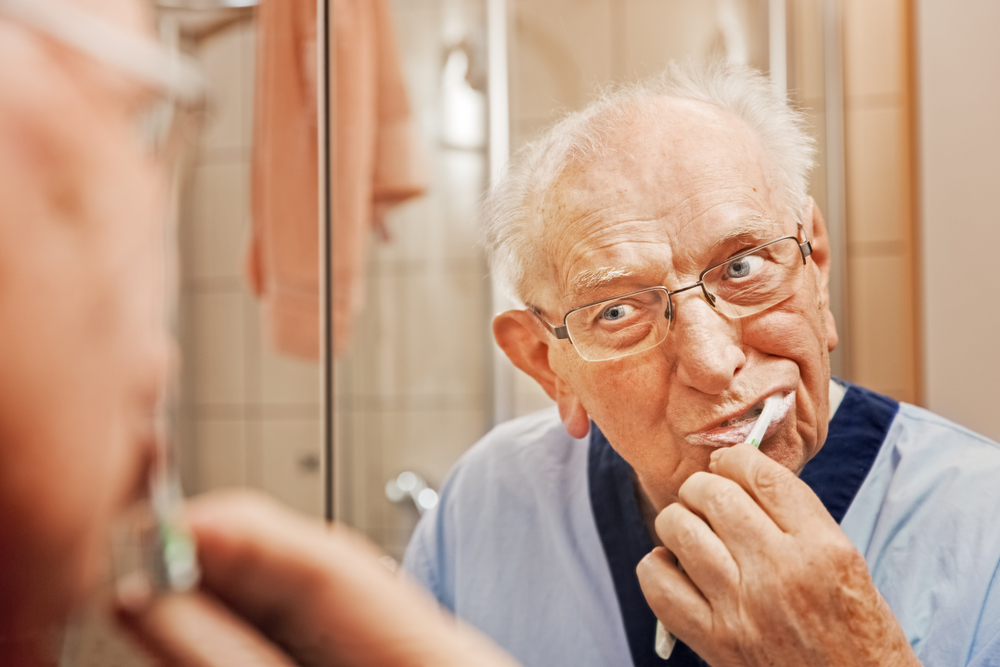
These rare brain cells, linked to social behavior and emotional processing, were found in higher numbers than in younger individuals.
Also read: These common “healthy” habits may increase your risk of heart problems
Thicker anterior cingulate gyrus

This brain region, linked to motivation and persistence, was thicker in superagers, possibly aiding resilience in the face of challenges.
Slower cortical thinning

Their brains shrink at about half the rate of typical older adults, reducing vulnerability to diseases like dementia and Parkinson’s.
Stronger cholinergic system

Superagers maintain a robust neurotransmitter network that supports memory, learning, and alertness.
Slower breakdown of acetylcholine

Lower levels of the enzyme that degrades acetylcholine may help preserve cognitive function longer.
Also read: The overlooked health benefits of growing older
Healthy neurons despite disease markers

Some superagers’ brains show signs of Alzheimer’s pathology but still contain many viable neurons that help sustain memory.
Tenacity and autonomy

Their personality profiles suggest determination and a willingness to live life on their own terms, which may contribute to mental vitality.
Mixed lifestyle factors
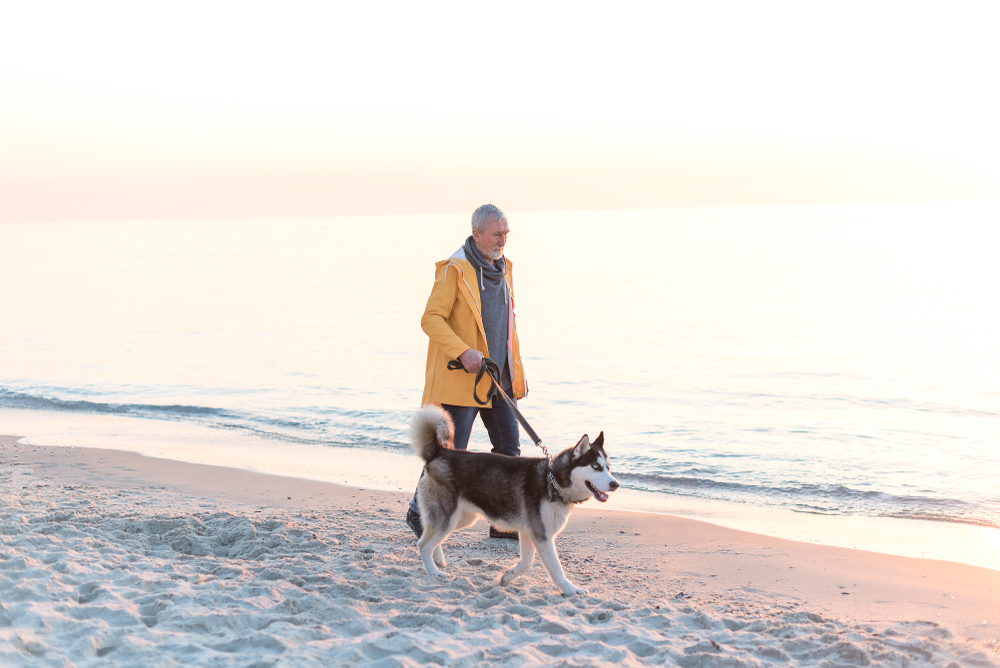
Some lived traditionally healthy lives, others did not—suggesting genetics and brain structure may play as much of a role as habits.
Artiklen er baseret på informationer fra National Geographic
Also read: Feel Groggy, Dizzy or Nauseous After a Nap? Here's What to Do
Also read: These Foods Give You the Most Gas, and the Worst Smell
This article is made and published by Mie Hermansen, who may have used AI in the preparation.