
Most people rarely think about their bladder, until it starts causing problems. But many bladder issues can actually be prevented by changing a few everyday habits.
Holding your pee for too long
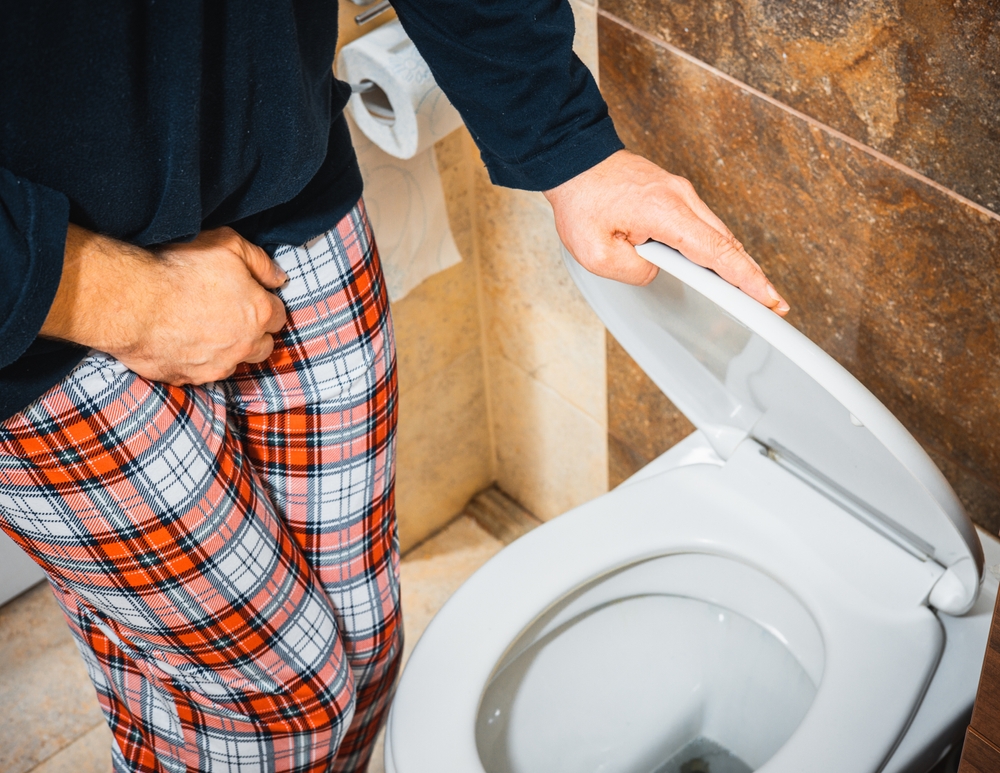
Ignoring the urge to urinate can overstretch the bladder and weaken its muscles, leading to urinary retention and a higher risk of infections.
Experts recommend emptying your bladder every three to four hours.
Not drinking enough water

Dehydration makes urine more concentrated, which can irritate the bladder and increase infection risk.
Also read: Experts warn: Unusual toenail sign could reveal high cholesterol
It can also cause constipation, putting pressure on the bladder. Aim to drink six to eight glasses of water a day unless otherwise advised by your doctor.
Too much caffeine and alcohol
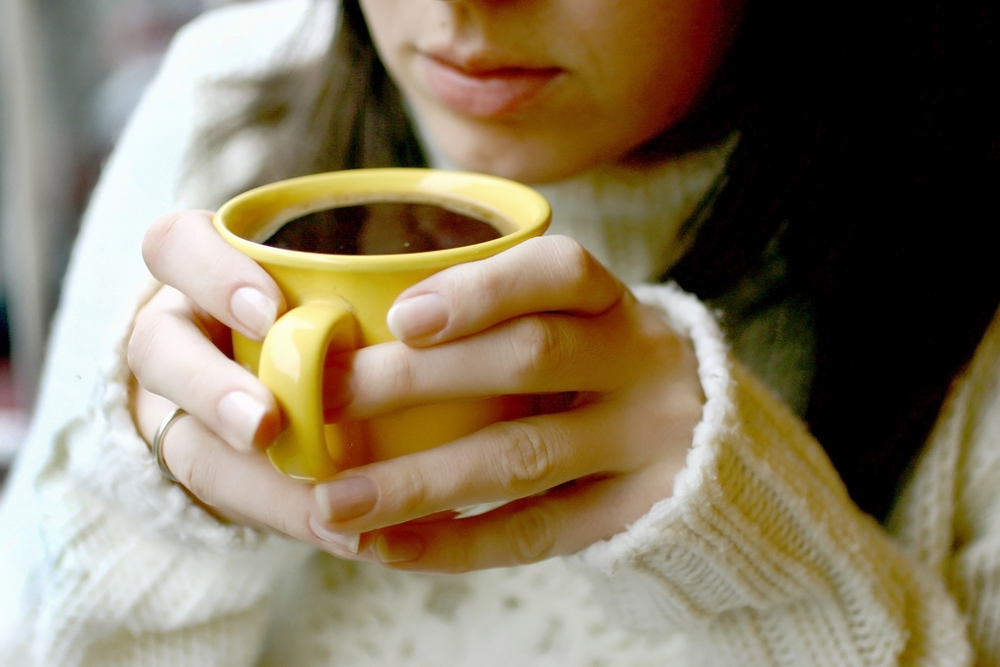
Caffeine and alcohol both irritate the bladder and act as diuretics, making you urinate more often.
A study from 2011 shows that people who drink a lot of coffee or alcohol are more likely to experience leaks and urgency. Moderation is key.
Smoking
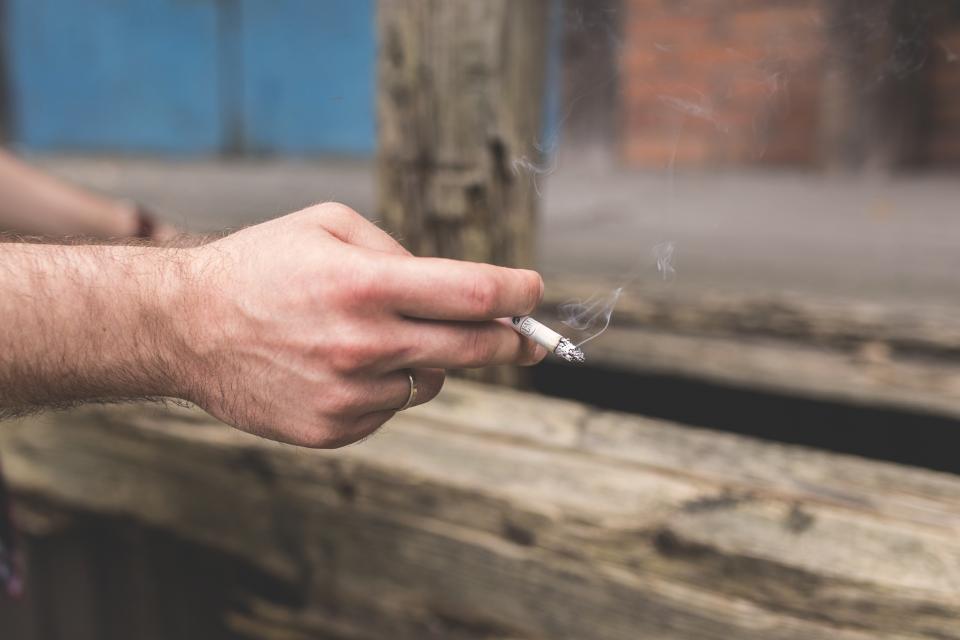
Smoking is a major cause of bladder cancer. Toxic chemicals from tobacco end up in urine, where they can damage the bladder lining and eventually trigger cancer.
Also read: Early Warning Signs of Cancer You Shouldn’t Ignore
Smokers are up to four times more likely to develop the disease than non-smokers.
Poor bathroom hygiene
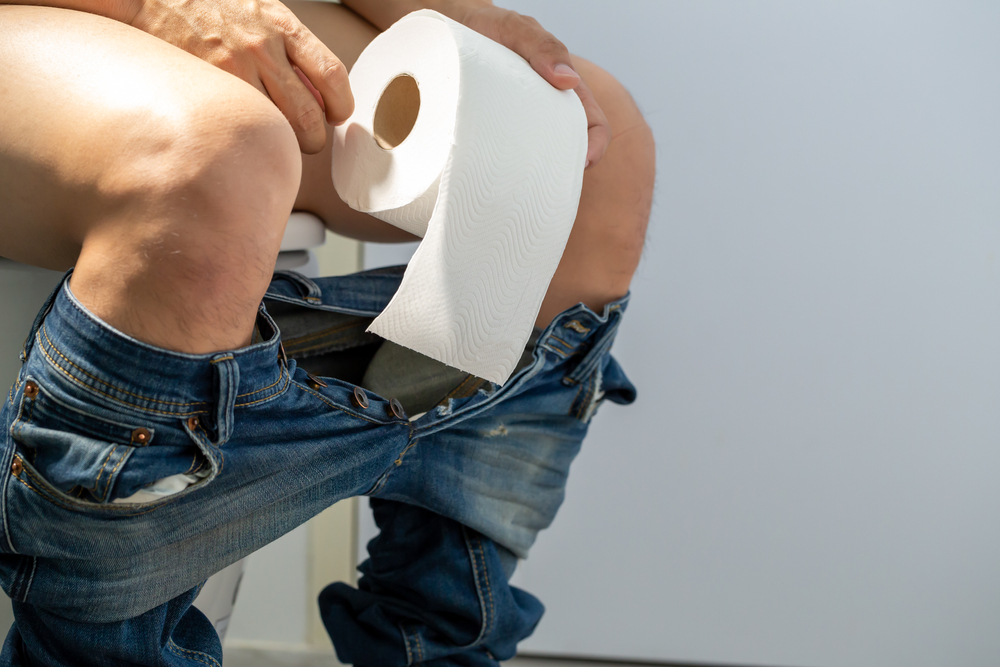
Wiping from back to front can spread bacteria to the urethra, increasing the risk of urinary tract infections.
Urinating after intercourse helps flush out bacteria and lower infection risk.
Poor diet and lack of exercise

Excess weight puts pressure on the bladder, while regular exercise strengthens pelvic muscles and helps prevent constipation.
Also read: Best supplements for midlife women, according to dietitians
A diet rich in fibre, fruits, vegetables, and whole grains supports both digestion and bladder health.
Ignoring warning signs

Frequent urination, pain, burning, or blood in your urine should never be ignored. Early treatment can prevent serious issues like infections or kidney damage.
Using harsh cleansing products
Intimate washes or soaps with fragrance and chemicals can irritate the urethral area and disrupt the natural flora, increasing infection risk.
Choose mild, pH-balanced products instead.
Also read: Things your doctor wants you to stop doing
Sitting for too long

Prolonged sitting can reduce blood flow in the pelvic area and negatively affect bladder function.
Taking regular breaks to stand or move around supports urinary health.
Ignoring urine color

Very dark urine often signals dehydration, while completely clear urine can mean you’re drinking too much water.
A pale yellow color usually indicates a healthy balance.
Also read: How to stay energized all day without reaching for coffee
Underestimating the importance of sleep

Lack of sleep can disrupt hormone balance and the bladder’s ability to regulate urine production, leading to more nighttime trips to the toilet.
A consistent sleep routine supports the body’s natural processes.
This article is based on information from The Sun.