
Fear is a natural survival mechanism, but it can also have unintended consequences when triggered too often.
Whether it’s a jump scare in a horror movie or a real-life emergency, your body reacts in similar ways.
However, excessive exposure to fear can take a toll on both physical and mental health. Here’s what happens inside your brain and body when you experience fear.
Detects the threat

The fear response starts in the amygdala, a small almond-shaped part of the brain responsible for processing emotions and recognizing danger.
It quickly signals the rest of the brain to prepare for action.
The hypothalamus sends a distress signal
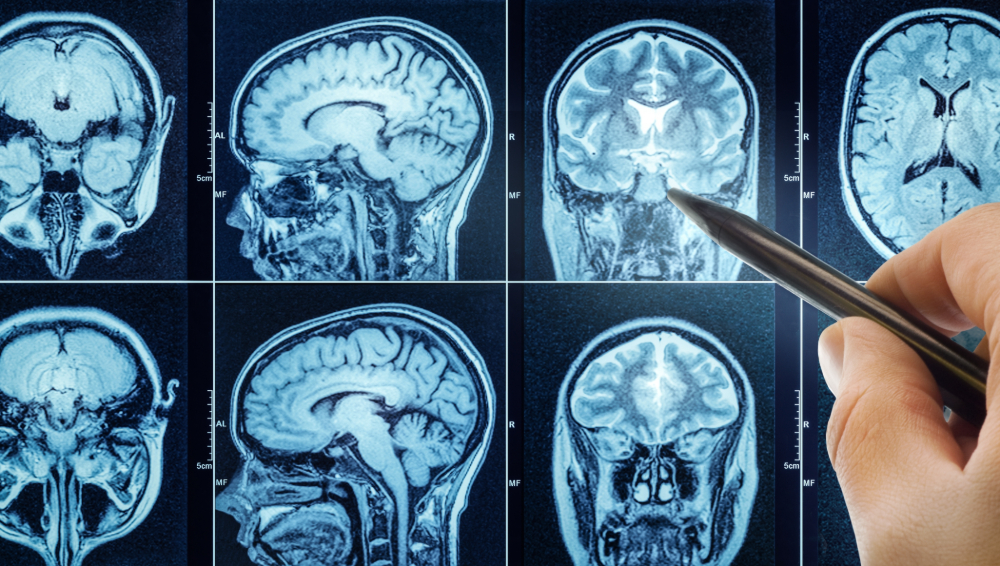
Once the amygdala detects a threat, it alerts the hypothalamus, the brain’s command center for stress responses.
This triggers the release of hormones and neurotransmitters that activate the fight-or-flight response.
Adrenaline floods the body

The adrenal glands release adrenaline, a hormone that prepares the body for quick action.
This leads to increased heart rate, rapid breathing, and sharpened senses, all meant to enhance survival.
Muscles tense up for action

Fear causes muscles to tighten, making the body ready to fight or flee. This automatic reaction increases physical strength and agility in dangerous situations.
Pupils dilate for better vision
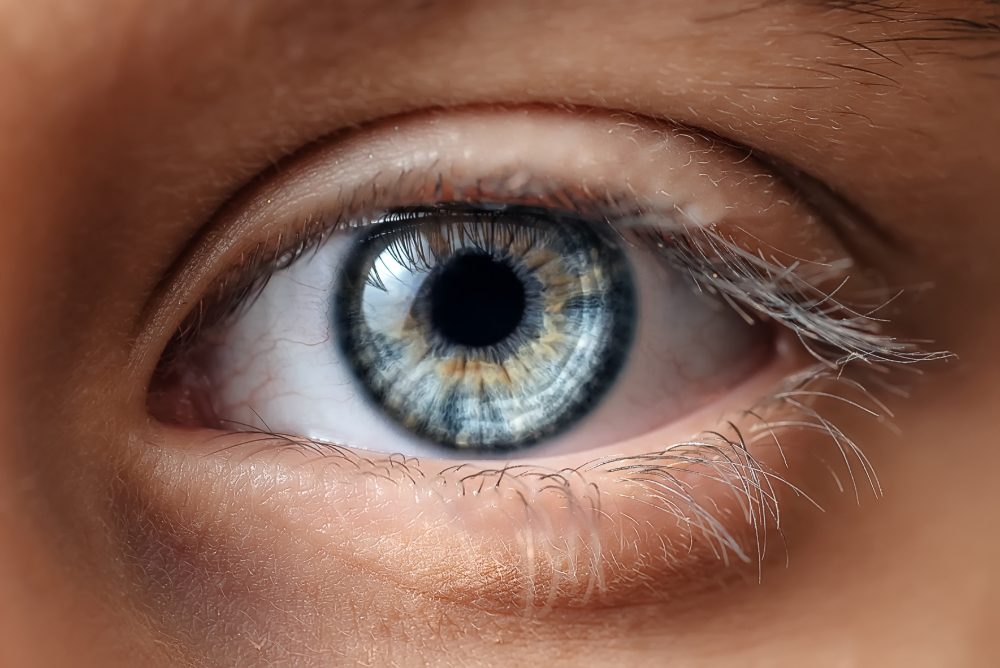
When scared, your pupils enlarge to let in more light, improving vision and helping you detect threats in low-light conditions.
Blood pressure and heart rate spike
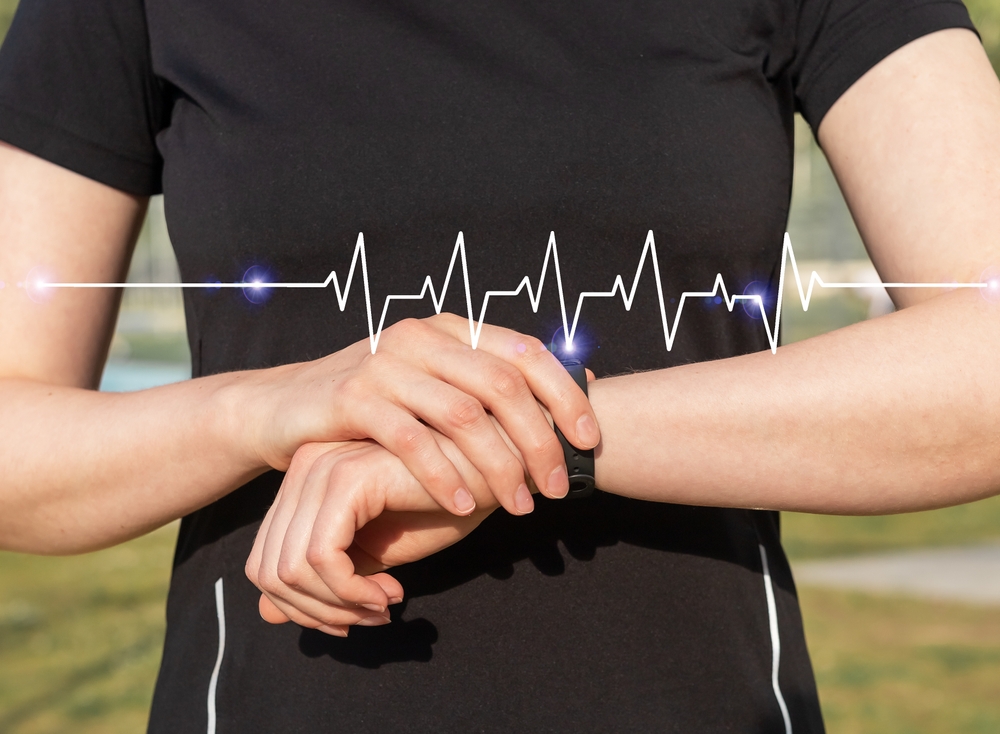
The heart pumps faster to send oxygen-rich blood to muscles and vital organs, ensuring the body is prepared for an immediate response.
Over time, frequent spikes in heart rate can contribute to cardiovascular issues.
The brain distinguishes real from perceived threats

After the initial shock, the brain processes whether the threat is real or imagined.
The prefrontal cortex and hippocampus work together to rationalize the situation and determine if the fear response is necessary.
Fear can suppress pain

Adrenaline temporarily reduces pain by blocking certain neural pathways. This allows individuals to keep running or fighting even after sustaining an injury.
Too much fear can harm the body

If fear is triggered too often, it can lead to chronic stress, high blood pressure, and a weakened immune system.
Over time, excessive exposure to stress hormones can wear the body down.
Some people are more sensitive to fear

Individuals with anxiety, PTSD, or heart conditions may have a heightened or prolonged fear response.
In some cases, exposure to frequent scares can worsen their symptoms or cause physical harm.
Repeated exposure to fear can be risky

Repeated exposure to jump scares or horror films can desensitize people to fear, making them less responsive to real-life threats.
This can reduce their ability to react appropriately in dangerous situations.
This article is based on information from National Geographic.
This article is made and published by Ida-Marie Palm Varbæk, who may have used AI in the preparation.