
A new brain stimulation technique using sound waves is offering powerful relief from mental health disorders — no surgery, no pills, and no side effects. Here’s how this experimental therapy is reshaping psychiatric care.
Hope for Patients With Treatment-Resistant Disorders

Patients struggling with depression, anxiety, or PTSD saw major improvements after just three weeks of daily sound therapy sessions.
Deep Brain Access Without Surgery
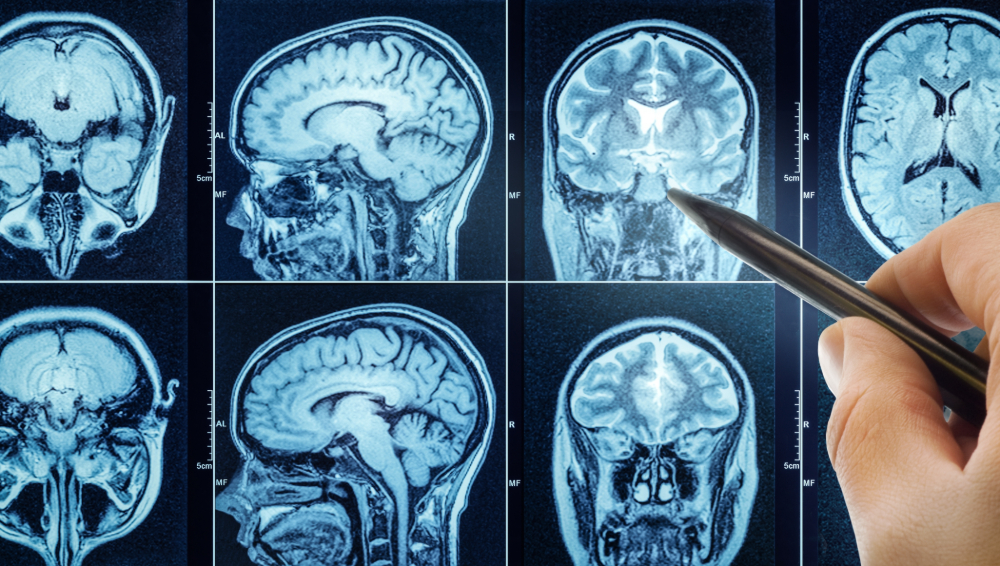
The treatment uses low-intensity focused ultrasound to reach the amygdala — a key emotion center in the brain — without opening the skull or using invasive tools.
A Potential Game-Changer in Mental Health
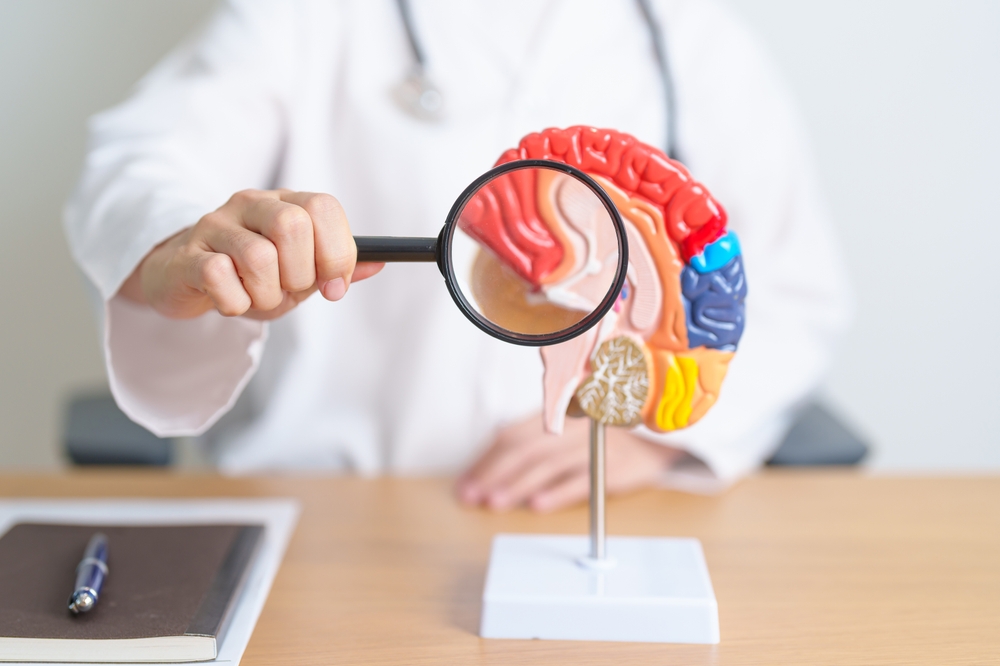
For the first time ever, scientists have been able to directly modulate deep brain activity without the need for drugs or neurosurgery.
Rapid Results in Just Three Weeks

Participants underwent daily treatments for less than a month and reported dramatic drops in negative feelings, anxiety, and trauma-related symptoms.
Targeting the Amygdala — The Brain’s Fear Hub
Overactivity in the amygdala is linked to emotional overload in mood and anxiety disorders. Calming this brain region helped restore balance.
No Major Side Effects Reported

The treatment was well tolerated across the board. None of the patients experienced serious side effects — a rare win in mental health research.
Guided With MRI for Surgical Precision

Using MRI scans, researchers directed the ultrasound waves with pinpoint accuracy, ensuring the sound reached the precise area responsible for emotional dysregulation.
A New Path for Those Who’ve Tried Everything Else

Many patients with chronic mental health conditions don’t respond to medication or therapy. This new approach offers a fresh alternative where hope was fading.
Goodbye Scalpels, Hello Sound Waves

Until now, targeting the amygdala meant brain surgery or indirect methods. This technology removes those barriers and opens a non-invasive door.
Bigger Clinical Trials Are Next

Encouraged by these early results, scientists are preparing larger studies to confirm the effects and bring the technology closer to clinical use.
This article is based on information from Sciencedaily
This article is made and published by Mie Hermansen, who may have used AI in the preparation.