
Stress is often described as a mental burden, but its effects reach far beyond thoughts and emotions. When pressure becomes constant, the body can begin to show clear physical warning signs.
What happens in the body under stress
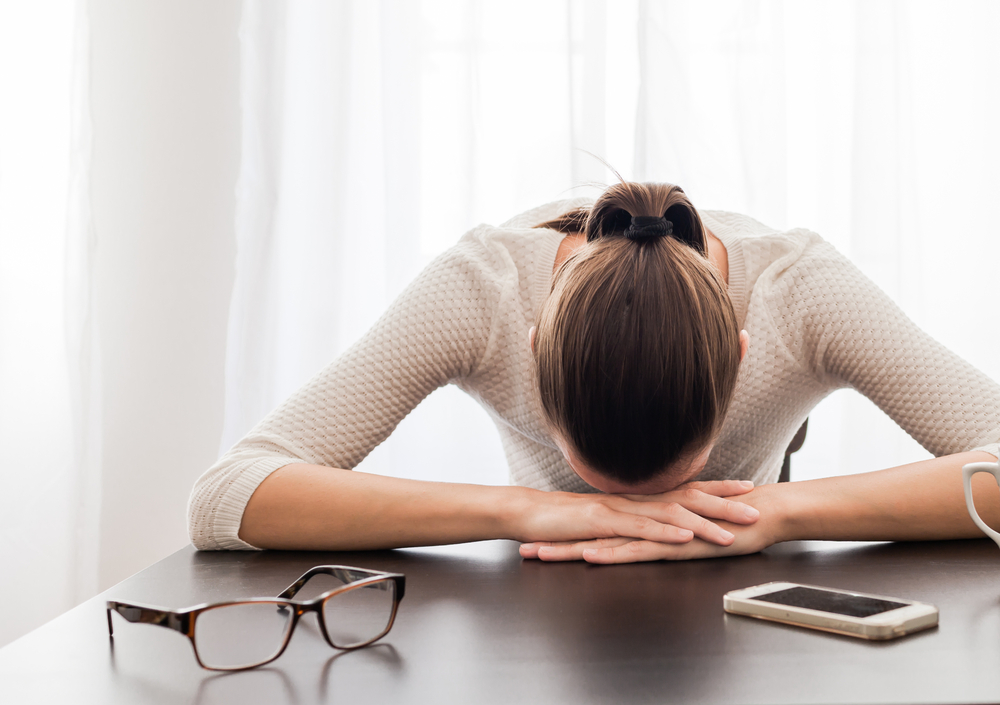
According to Dr Donald Grant, prolonged stress triggers the release of hormones such as cortisol and adrenaline. While helpful in short bursts, persistently high levels can disrupt normal bodily functions.
Ongoing hormonal imbalance
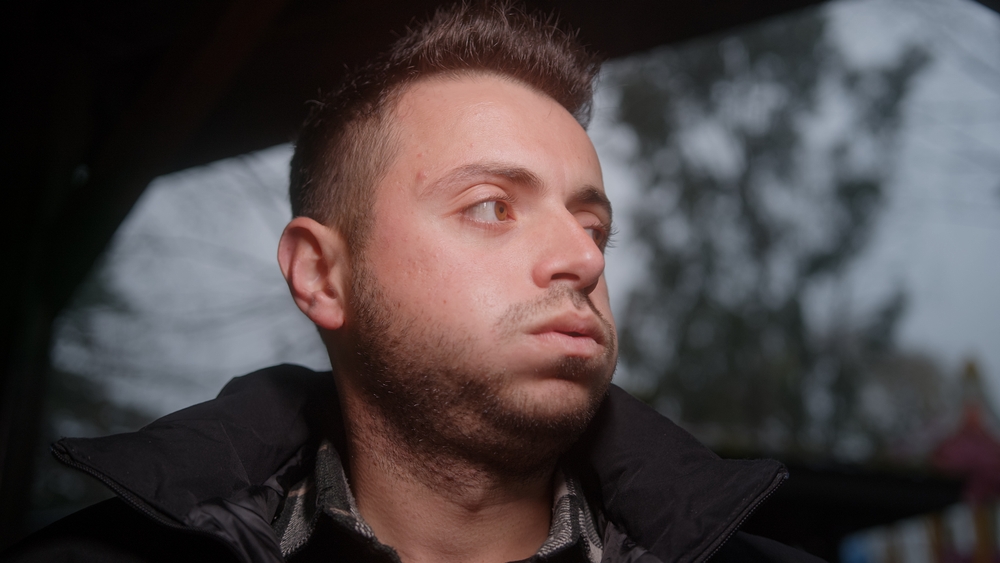
When stress becomes chronic, elevated cortisol can interfere with multiple systems in the body, creating longer term imbalance.
Acne and skin flare ups

Higher stress levels can increase oil production and inflammation in the skin. This may lead to breakouts and can worsen conditions such as eczema, psoriasis and rosacea.
Also read: New study links high tyrosine levels to shorter lifespan in men
Hair shedding
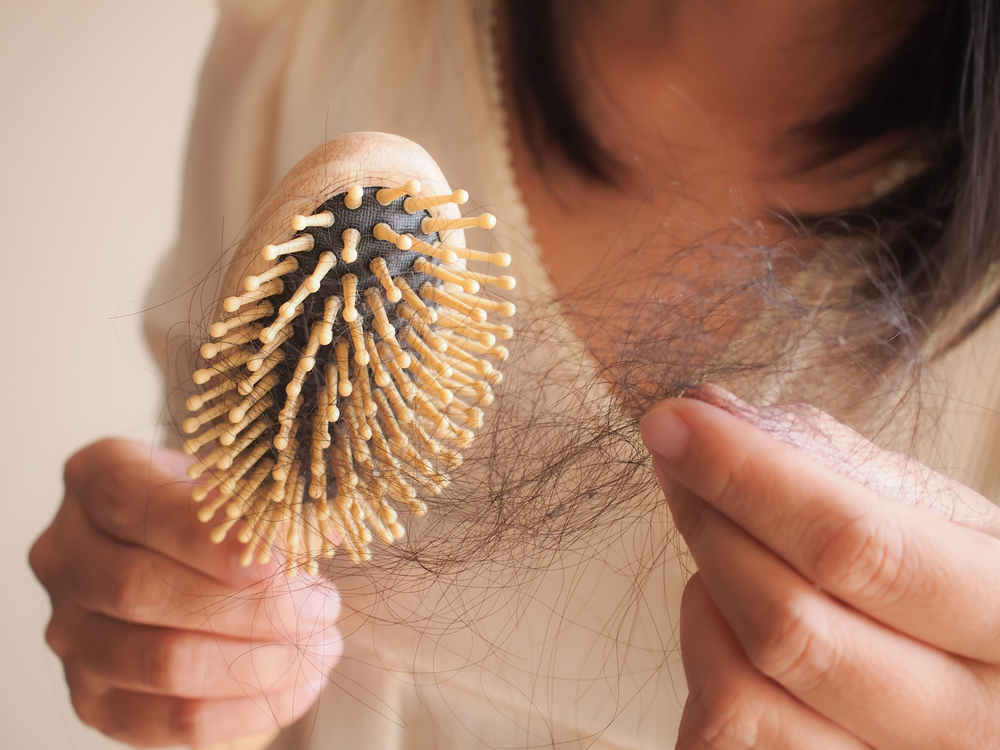
Extended periods of stress may push hair follicles into a resting phase. As a result, some people notice increased hair loss weeks or months after a stressful event.
Sleep disruption
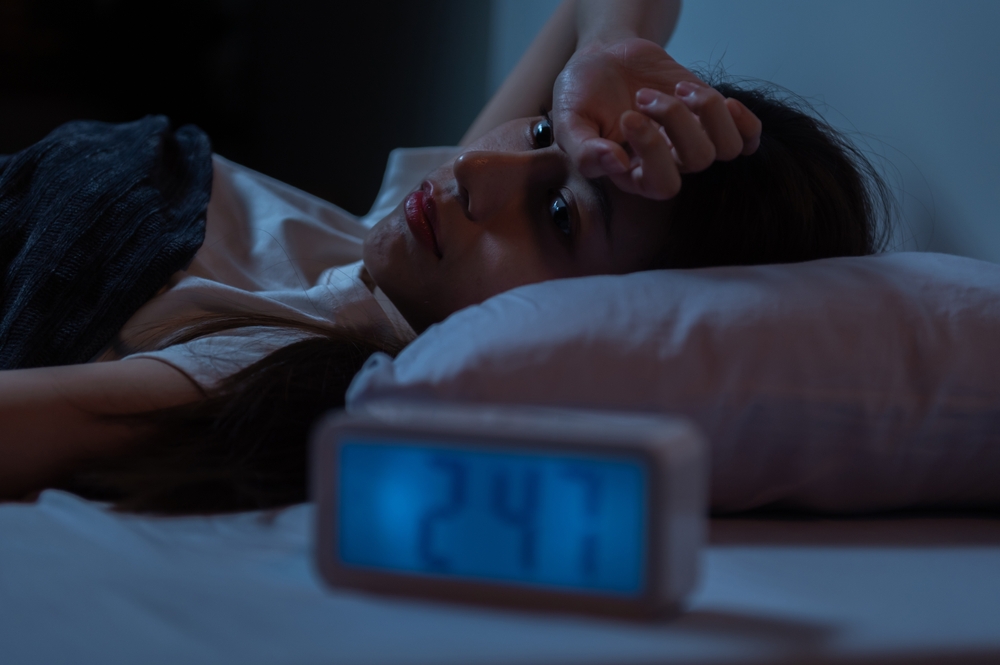
Raised cortisol levels can make it difficult to fall asleep or stay asleep. People may wake frequently or feel unrefreshed in the morning.
Weakened immune response
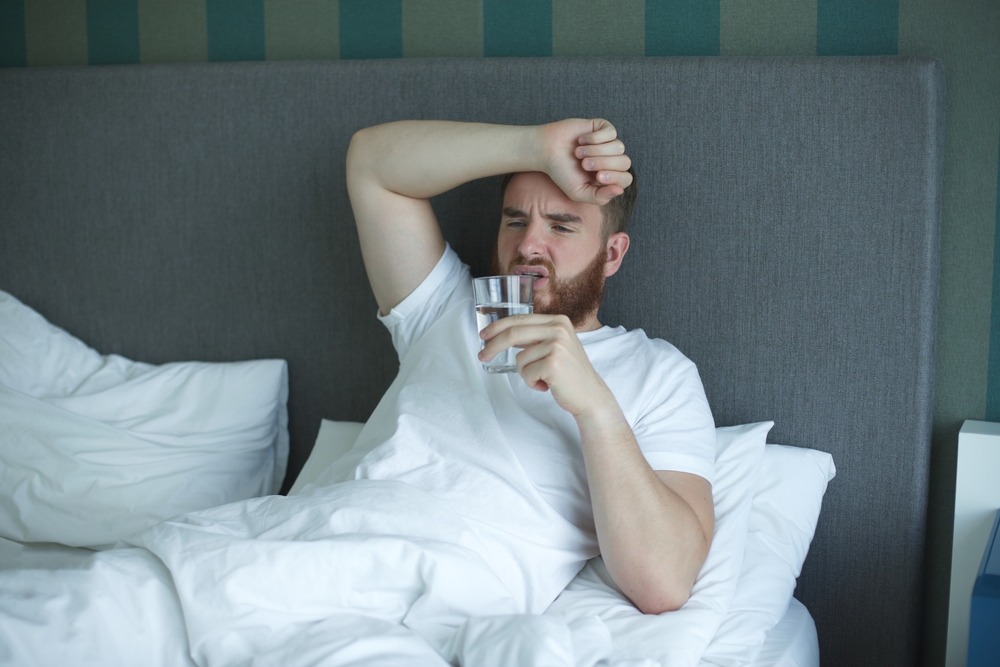
Long term stress can suppress immune function, making it easier to catch infections and prolonging recovery time.
Digestive problems

Stress can disrupt communication between the brain and the gut. This may cause bloating, stomach pain, diarrhoea or constipation and can aggravate irritable bowel syndrome.
Also read: She took collagen daily for a year – see her before-and-after photos
Muscle tension

When the body remains in a heightened state of alertness, muscles in the neck, shoulders and back may stay tense, leading to discomfort.
Headaches and jaw pain
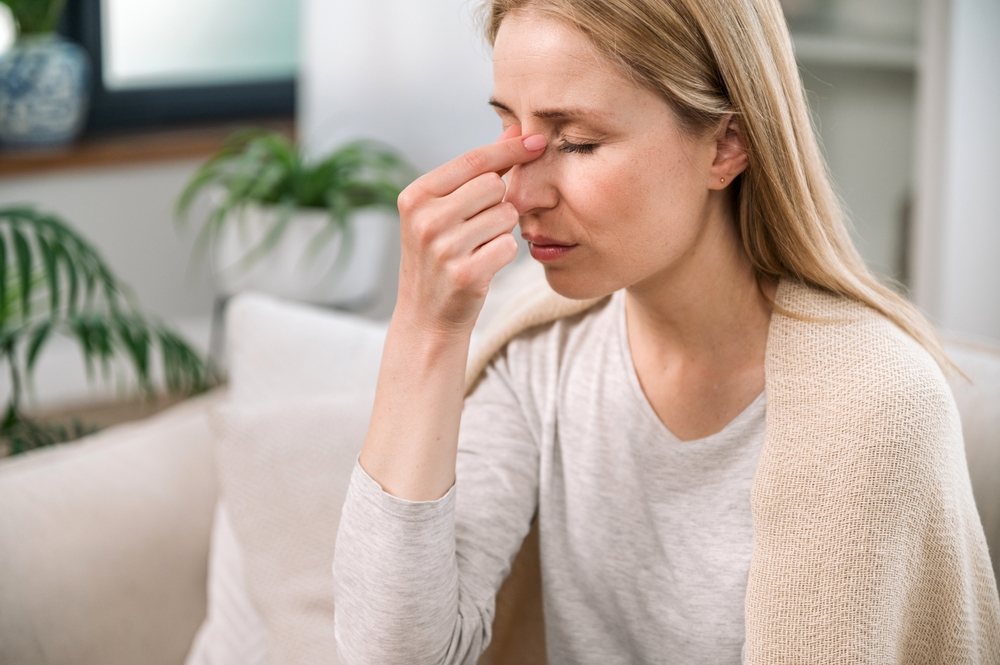
Ongoing muscle tightness can contribute to tension headaches and soreness in the jaw.
Erectile dysfunction
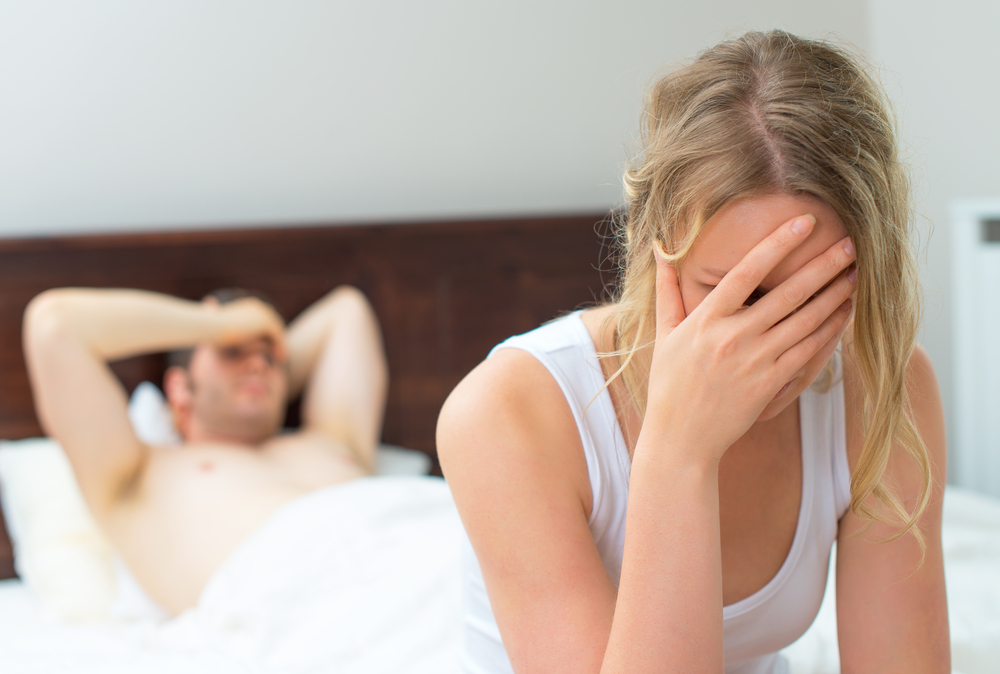
Prolonged stress may interfere with blood flow and sexual arousal, increasing the risk of erectile difficulties.
Irregular periods

In women, sustained stress can disrupt reproductive hormone balance, leading to irregular or missed menstrual cycles.
Also read: Three foods to reconsider on GLP-1 treatment
Worsening of existing conditions
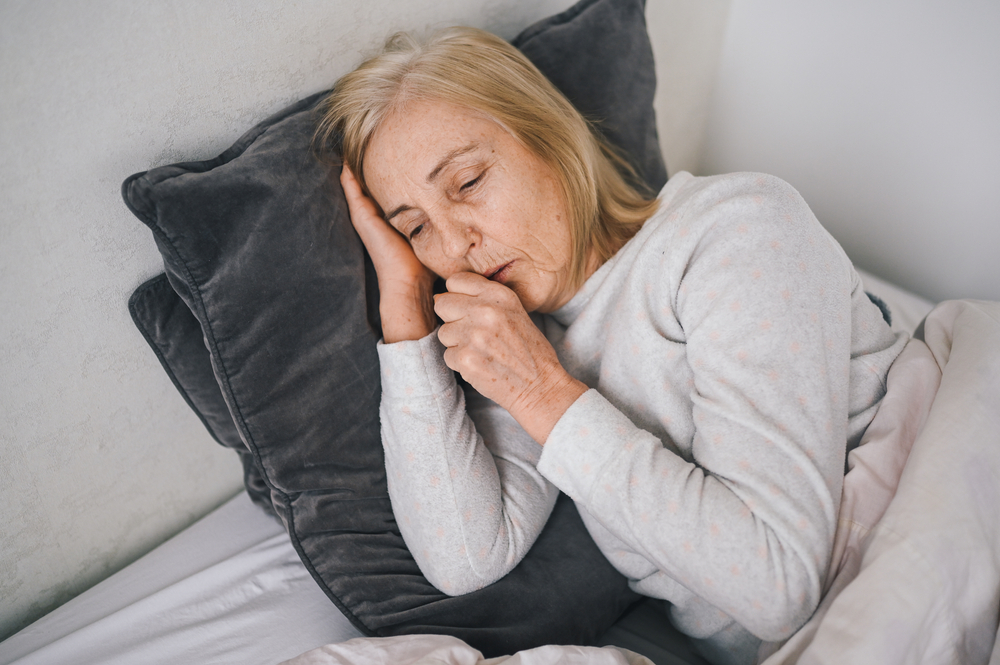
Chronic stress can make pre existing health issues more reactive and harder to manage.
Sources: Unilad og Independent Pharmacy
Also read: Study finds shoe choice may affect osteoarthritis differently