
It’s one of the most overlooked yet dangerous health issues out there.
Fatty liver disease – often symptom-free – can develop silently for years. But your body might still be sending subtle signals.
Here are some warning signs to watch for before it’s too late.
Swollen legs

Persistent swelling in your legs – especially around the ankles – can be an early and serious sign of liver dysfunction.
Also read: These Unusual Symptoms Could Be Cancer - Don't Ignore Them!
It happens when fluid accumulates due to the liver’s declining ability to regulate it.
Unexplained fatigue

Constant tiredness with no clear cause could be linked to a struggling liver, which affects the body’s ability to produce energy efficiently.
Sudden weight gain

Fatty liver is closely associated with weight gain, particularly around the abdomen, as the liver stores excess fat.
Pain in the upper right abdomen

A dull ache or pressure just below your ribs on the right side can indicate liver inflammation. It’s a symptom many dismiss until it becomes severe.
Also read: What Your Blood Pressure Should Look Like – Depending on Your Age
Elevated cholesterol

Though you may not "feel" it, high cholesterol levels often go hand-in-hand with fatty liver. It’s usually detected during routine bloodwork – and should not be ignored.
Increased blood sugar

Type 2 diabetes and insulin resistance are common companions of fatty liver. Trouble managing your blood sugar might actually stem from liver dysfunction.
Dark urine

If your urine is darker than usual – and you’re properly hydrated – it may be a red flag for liver issues. The color change can result from a buildup of waste products.
Itchy skin

Constant itchiness, especially at night, can be caused by bile salts accumulating in the skin when the liver can’t properly eliminate toxins.
Also read: What Those Tiny Bumps on Your Arms Really Mean – And How to Get Rid of Them
Yellowing of the skin or eyes
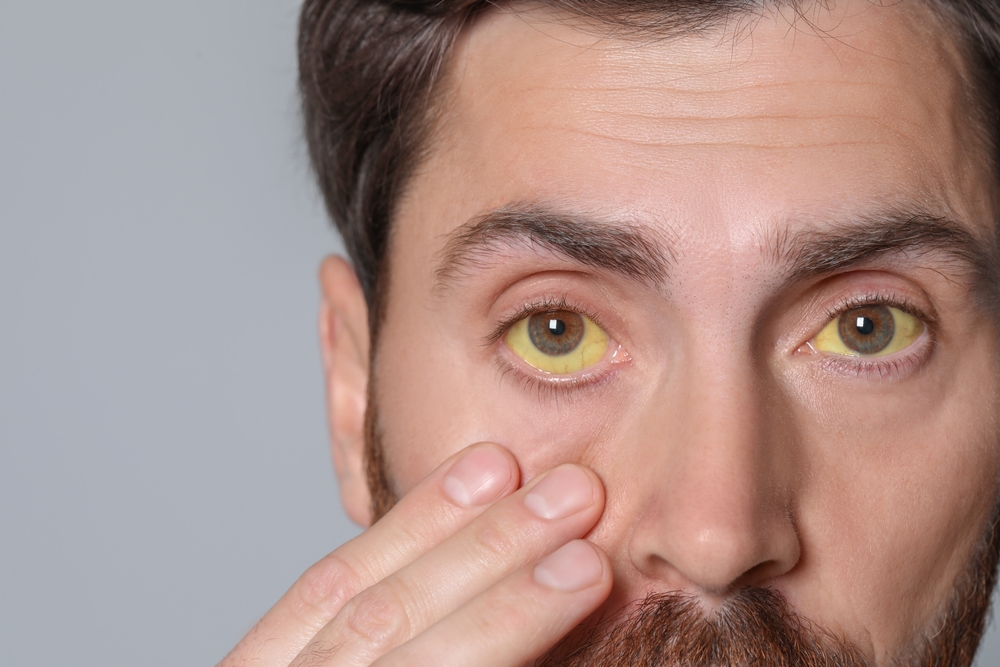
Known as jaundice, this symptom signals that the liver is overwhelmed.
Though more common in advanced liver conditions, it can also appear in later stages of fatty liver disease.
Loss of appetite

A poorly functioning liver can affect digestion and appetite, signaling that something’s not right.
This article is based on information from Yahoo.com.
Also read: This Is What Happens to Your Body When You Eat Beans Every Day
Also read: How to Keep Your Butt Clean After Number Two
This article is made and published by Ida-Marie Palm Varbæk, who may have used AI in the preparation.