
As sleeves get shorter and skin gets more sun, many of us notice tiny, annoying bumps on our upper arms. They’re often harmless, but that doesn’t make them any less frustrating. If you’re tired of rough, bumpy skin, here’s what you need to know—and what you can actually do to get smoother arms.
Keratosis Pilaris: The Most Common Culprit

These small, rough bumps often show up on the outer upper arms and can feel like sandpaper. The cause? A buildup of keratin, the same protein that makes up hair and nails, which clogs the hair follicles and causes that classic goosebump-like texture.
What It Looks Like

The bumps are usually flesh-colored or slightly red, not itchy, and don’t contain fluid. They appear in patches, especially where skin tends to be dry, and don’t typically hurt—but they can be a cosmetic nuisance.
Why You Get It

Keratosis pilaris tends to run in families and is more likely if you have dry skin, eczema, or other skin conditions. It often gets worse in winter or in low-humidity environments, where the skin loses moisture more easily.
Also read: This Is What Happens to Your Body When You Eat Beans Every Day
How To Tackle Keratosis Pilaris

Daily moisturizing is key. Use lotions with ingredients like urea or lactic acid, which gently exfoliate and hydrate. Patience is important—it can take weeks or months to see real improvement.
Gentle Peeling Makes A Difference

Skip the scrub gloves and harsh exfoliators. Instead, try a chemical exfoliant once or twice a week with alpha or beta hydroxy acids to loosen dead skin cells without irritation.
Try Products With Vitamin A

Retinol or other vitamin A-based creams can help normalize skin cell turnover and improve skin texture. Use sparingly and apply sunscreen daily, as retinol can increase sun sensitivity.
Watch Out For These Mistakes
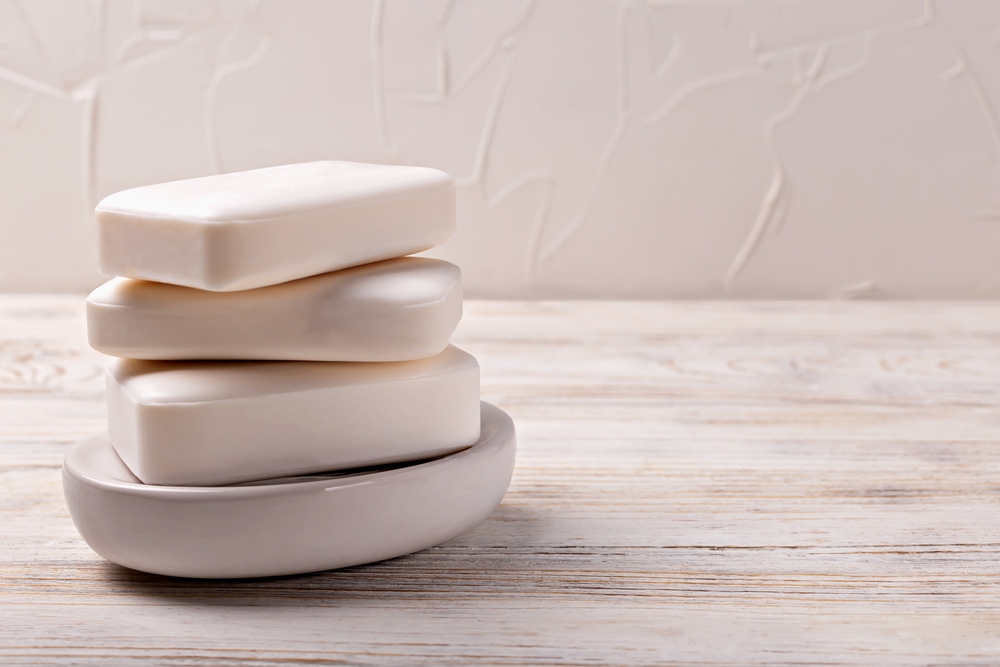
Don’t pick or squeeze the bumps—it can lead to inflammation and scarring. Avoid regular soap, which dries the skin, and harsh scrubbing tools that can irritate the area further.
Also read: How to Keep Your Butt Clean After Number Two
What If It’s Something Else?
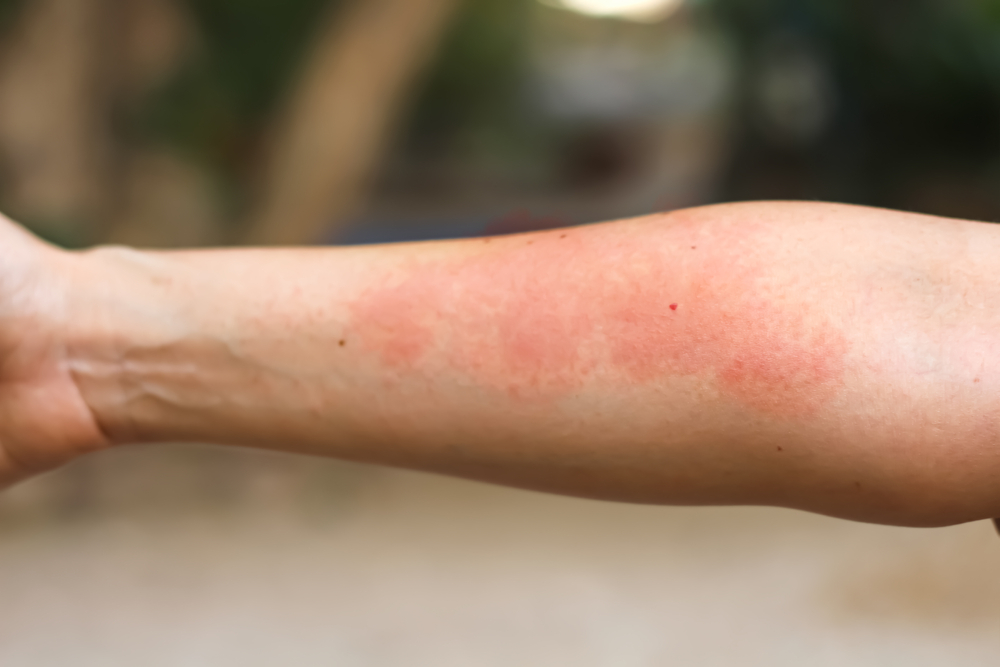
If the bumps are red, itchy, or blistering, it might be contact dermatitis. This occurs when your skin reacts to a trigger like fragrance, nickel, or chemicals. A doctor can confirm with a simple allergy test.
How To Avoid Contact Dermatitis

Reduce exposure to irritating substances like perfumes, soaps, and nickel jewelry. Stick to hypoallergenic products and always moisturize to protect the skin’s barrier.
Relief For Itchy, Irritated Skin
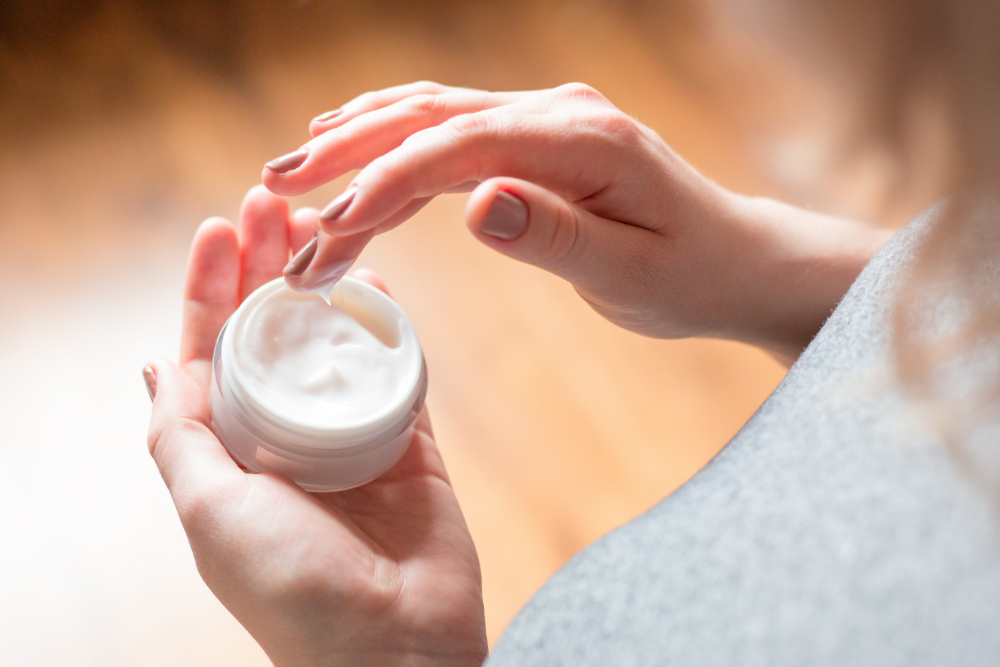
If contact dermatitis is diagnosed, steroid creams or anti-inflammatory treatments may be prescribed. In severe cases, UV therapy or medicated baths can also calm inflammation.
Article is based on information from Woman
Also read: Night Leg Cramps Could Be a Sign of Something More Serious
Also read: Early Signs of Bowel Cancer That Are Often Missed
This article is made and published by Mie Hermansen, who may have used AI in the preparation.