
Protein is found in far more everyday foods than many people may realise.
Here are some of the less obvious sources of protein and why you need it, according to Allas and Livsmedelsverket.
Pumpkin seeds are high in protein
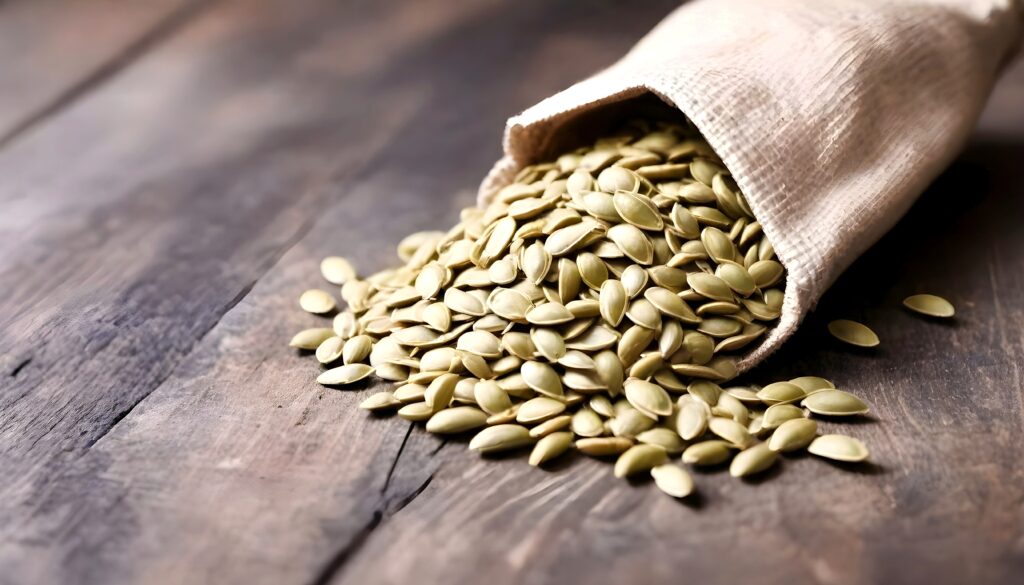
Pumpkin seeds contain around 29.8 grams of protein per 100 grams.
Although it is uncommon to eat such a large portion, a small handful or a couple of tablespoons can still provide several grams of protein.
Also read: A weight-loss supplement sold online contains a heart-toxic plant that can kill
Adults have a recommended daily intake
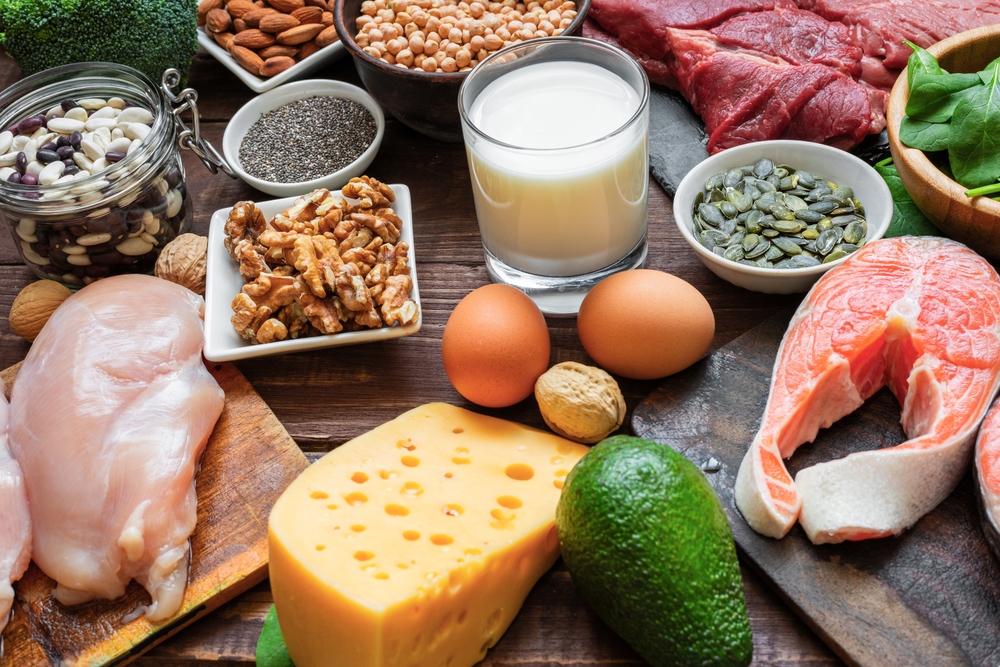
For adults between the ages of 18 and 65, the recommended daily intake is 0.83 grams of protein per kilogram of body weight.
A person weighing 64 kilograms therefore needs approximately 53 grams of protein per day.
Pasta provides more than carbohydrates
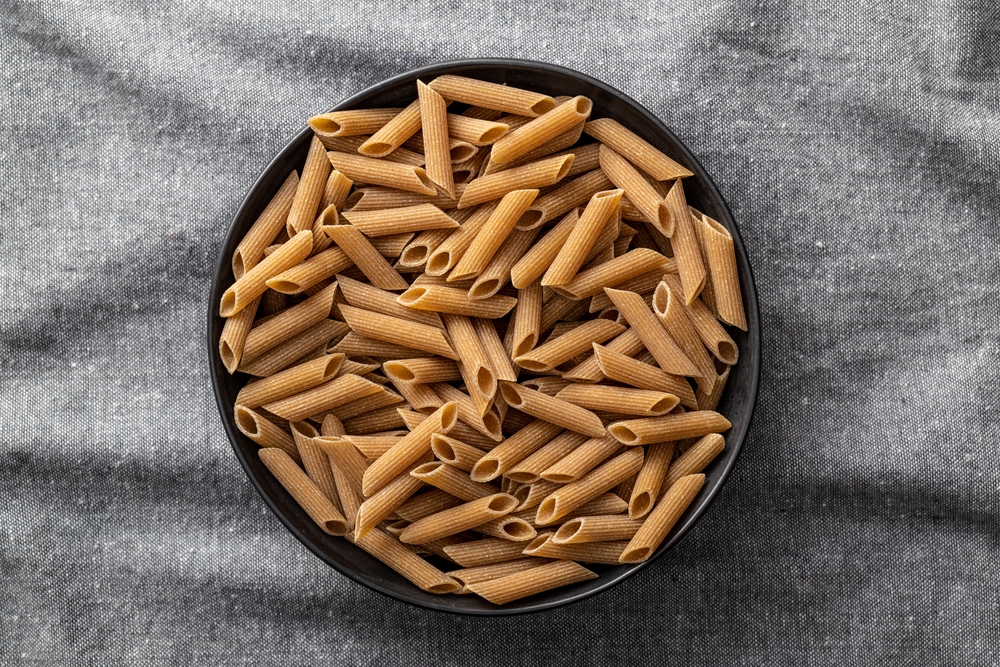
Regular dried pasta contains approximately 11.9 grams of protein per 100 grams. A 75-gram serving of dried pasta provides around 8 to 9 grams of protein.
Peanut butter can provide several grams
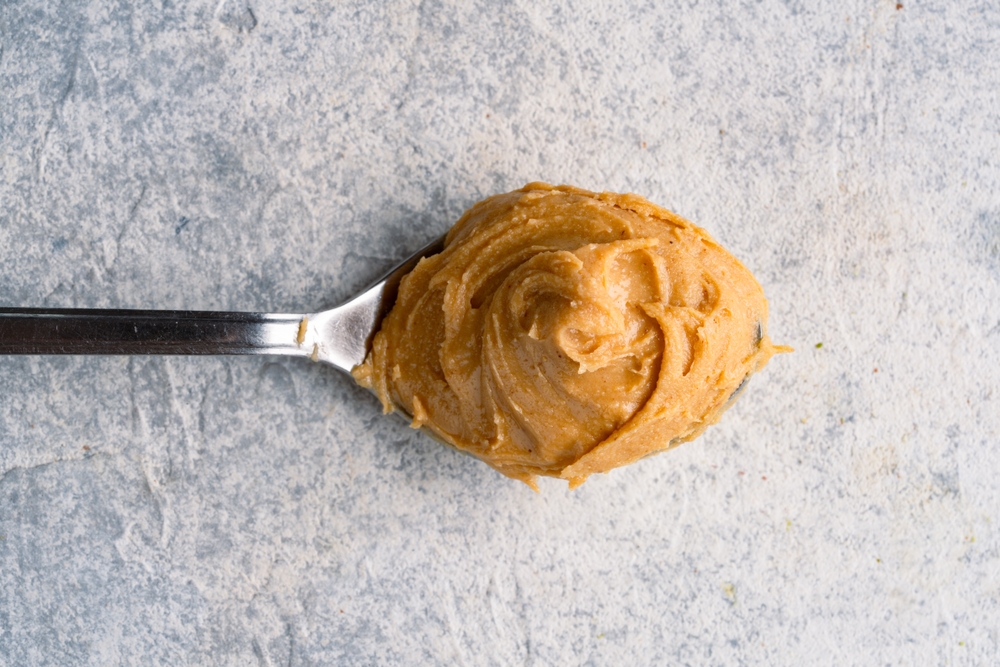
Dried peanuts contain approximately 25.7 grams of protein per 100 grams.
Also read: A blood test can now detect early Alzheimer's changes in adults as young as 40
The amount varies depending on the peanut butter, but one tablespoon provides around 3 to 4 grams of protein. Peanut butter is also high in calories and is therefore typically eaten in smaller amounts.
Oats also contain protein
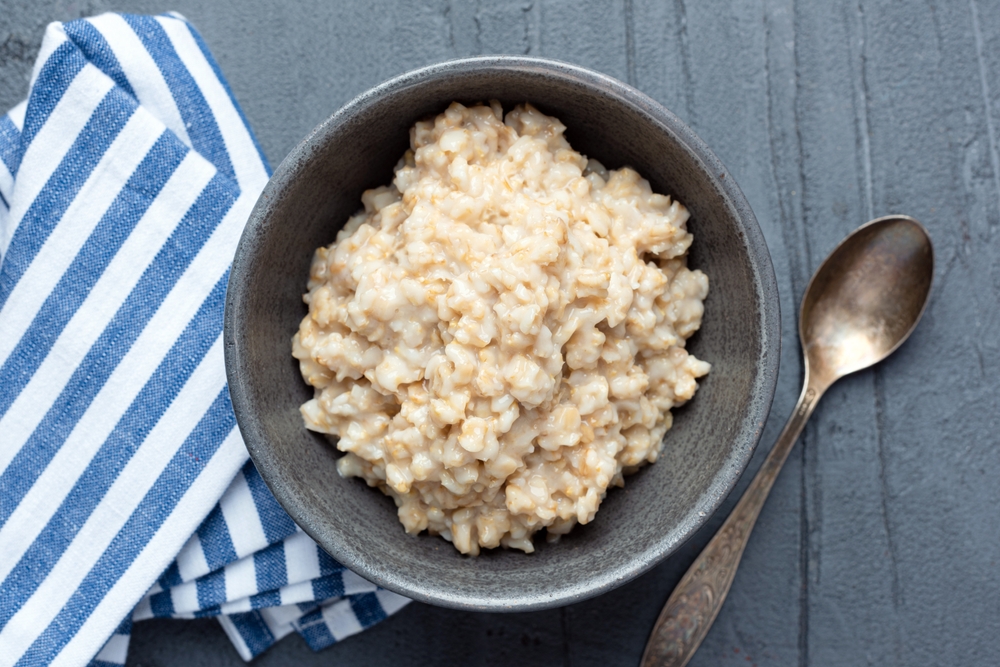
Oats are often associated with fibre and satiety, but they contain approximately 9.5 grams of protein per 100 grams.
A serving of porridge made with 40 grams of oats provides around 4 grams of protein.
Protein has several functions in the body
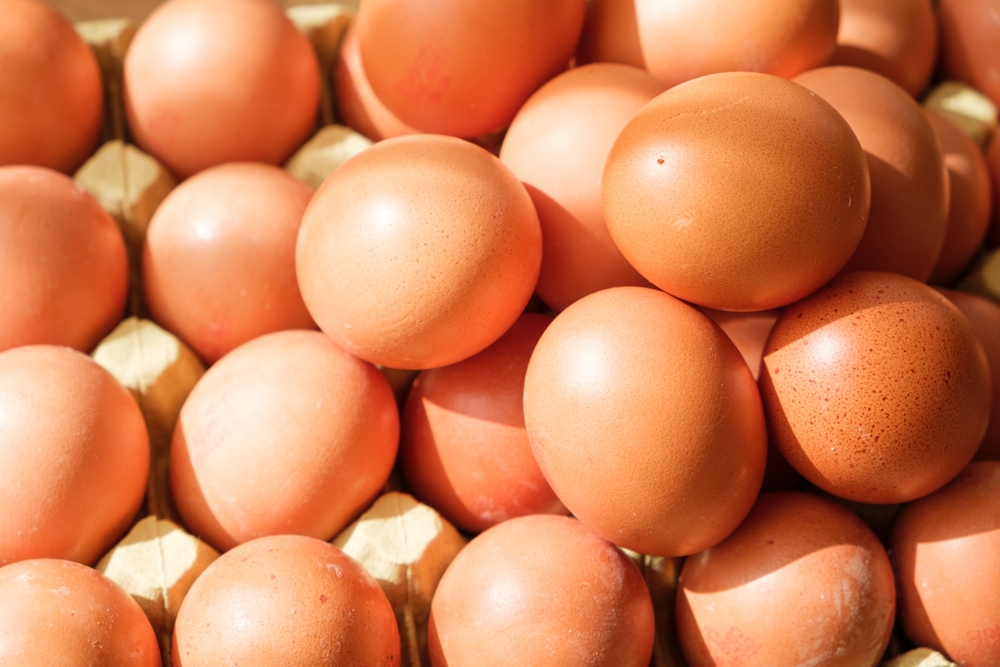
Protein plays a role in the body's cells, muscles, immune system, hormones and enzymes, among other things. It is therefore an important part of the diet.
Also read: Under two hours of exercise a week may nearly double your type 2 diabetes risk
Potatoes also provide protein
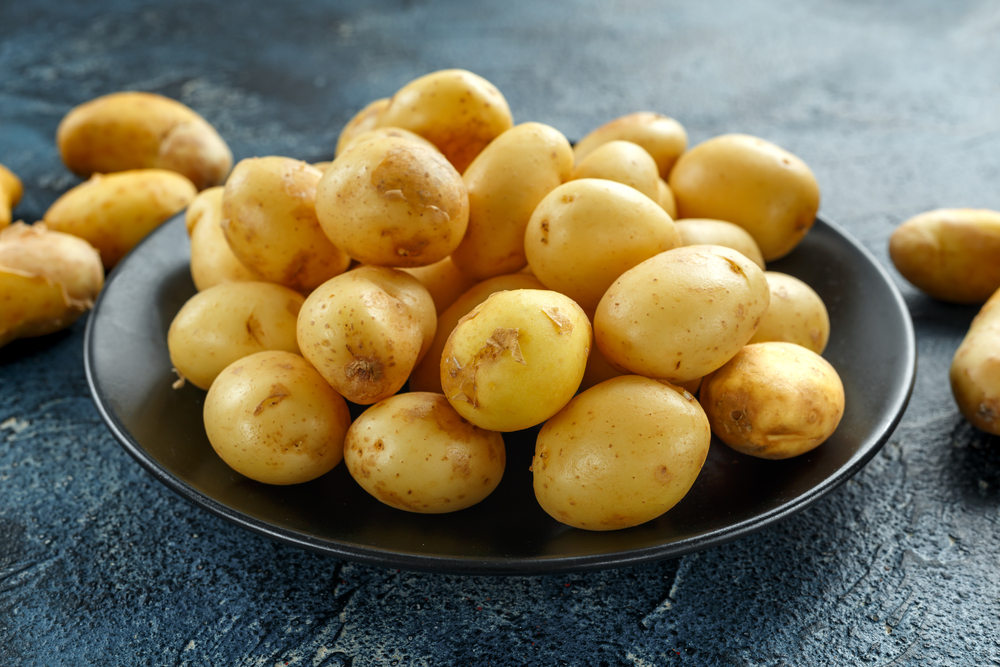
Boiled potatoes contain approximately 1.8 grams of protein per 100 grams.
A 250-gram serving therefore provides around 4 to 5 grams of protein, although potatoes cannot replace more obvious sources of protein.
Lentils and chickpeas are rich in protein
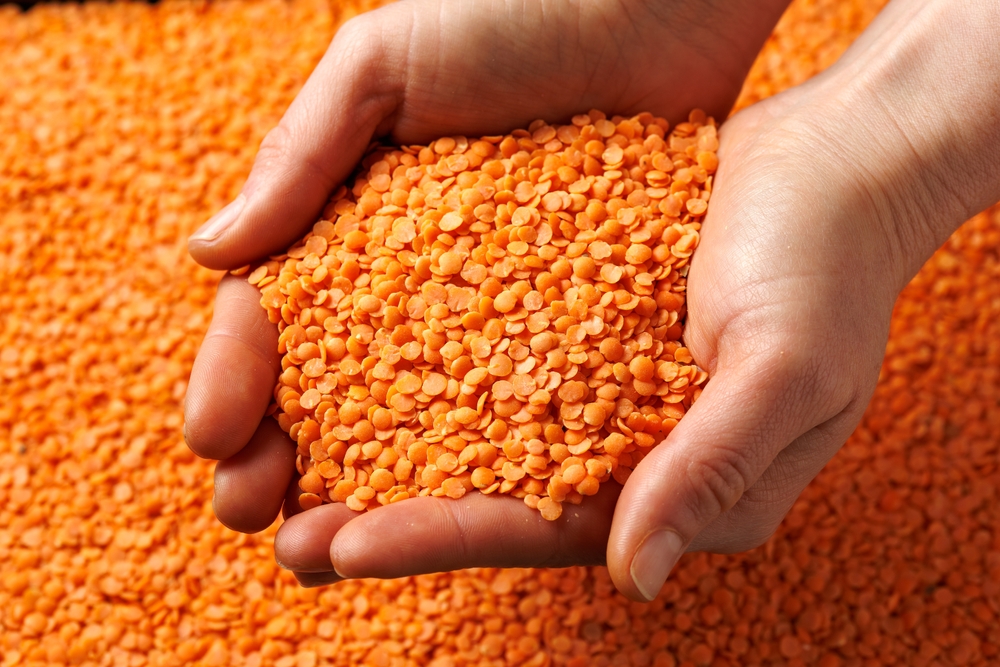
Cooked lentils contain around 9 to 10 grams of protein per 100 grams, while cooked chickpeas contain approximately 8 grams.
A 150-gram serving can therefore provide around 12 to 15 grams of protein.
Also read: Childhood abuse or neglect may double your risk of depression as an adult
Bread can contain a surprising amount
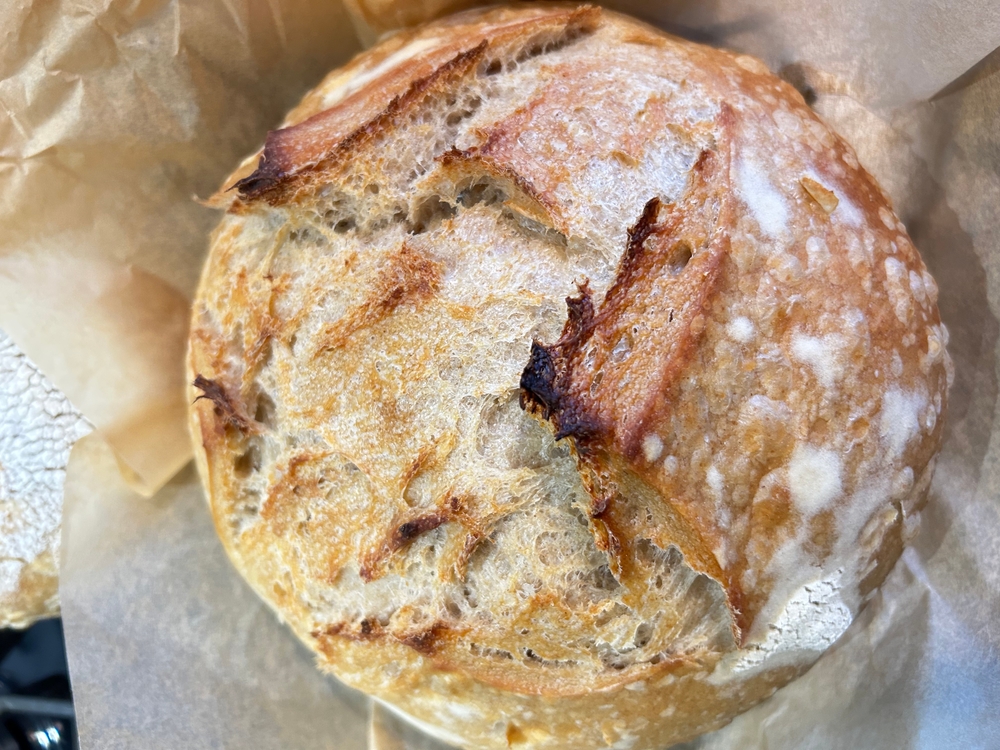
Several types of crisp wholegrain bread contain around 10 to 15 grams of protein per 100 grams.
Many soft breads contain approximately 7 to 9 grams. The amount increases if the bread is eaten with, for example, cheese, eggs, hummus or peanut butter.
People who exercise rarely need protein supplements

People who exercise a lot may have a greater need for protein, particularly during very intense training.
However, according to Livsmedelsverket, people who exercise at a regular level rarely need protein powder or special protein supplements.
Also read: These small dietary changes may support a longer and healthier life
A low energy intake may require extra attention

People who exercise a lot while consuming very little energy may have particular reason to pay attention to their protein intake.
This may be the case, for example, when following a weight-loss plan or a strict diet.
People over 65 may benefit from more protein

A higher protein intake may be beneficial for people over the age of 65. It can help counteract the gradual loss of muscle mass that occurs with age.
Protein often comes from several parts of a meal
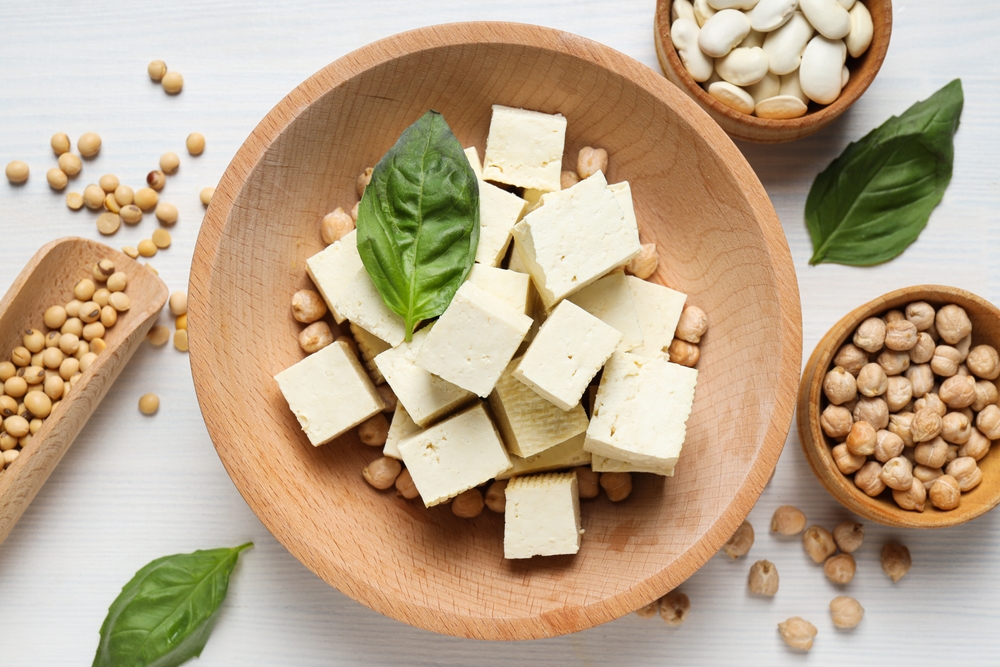
Eggs, dairy products, tofu, meat, fish and poultry are classic sources of protein, but they are not the only ones.
Oats, bread, potatoes, pasta, legumes and seeds can collectively contribute a significant amount of protein throughout the day.
This article is made and published by Ida-Marie Palm Varbæk, who may have used AI in the preparation.