
When you take medication, it may be necessary to adjust your diet, as certain foods can affect how your body absorbs or processes the drug.
Here are some combinations you should be especially careful about.
Acetaminophen and alcohol

Taking acetaminophen (Tylenol) after drinking alcohol can increase the risk of liver damage.
The danger is highest for people who drink regularly and use acetaminophen daily.
Also read: How to relieve stress in just 10 minutes, according to experts
It’s best to avoid this combination, especially if you consume more than three alcoholic beverages per day.
Certain antibiotics and dairy products
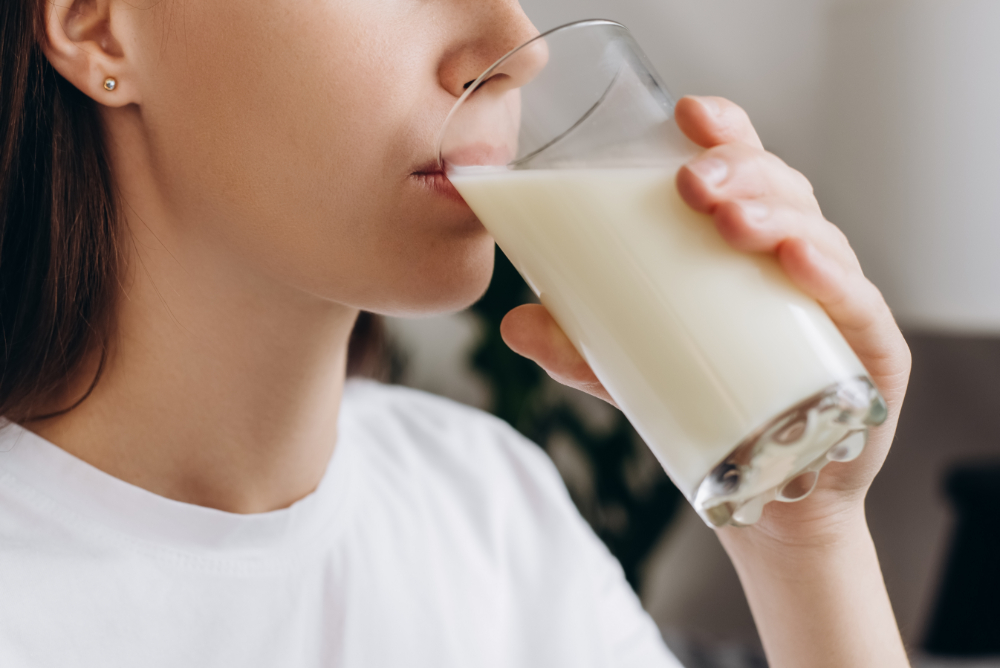
Some antibiotics should not be taken with milk, yogurt, or cheese, as dairy products can bind to the medicine and prevent it from being properly absorbed into the bloodstream.
This includes ciprofloxacin, levofloxacin, moxifloxacin, and certain tetracyclines. Avoid dairy two hours before and six hours after taking your antibiotic.
Calcium channel blockers and statins with grapefruit
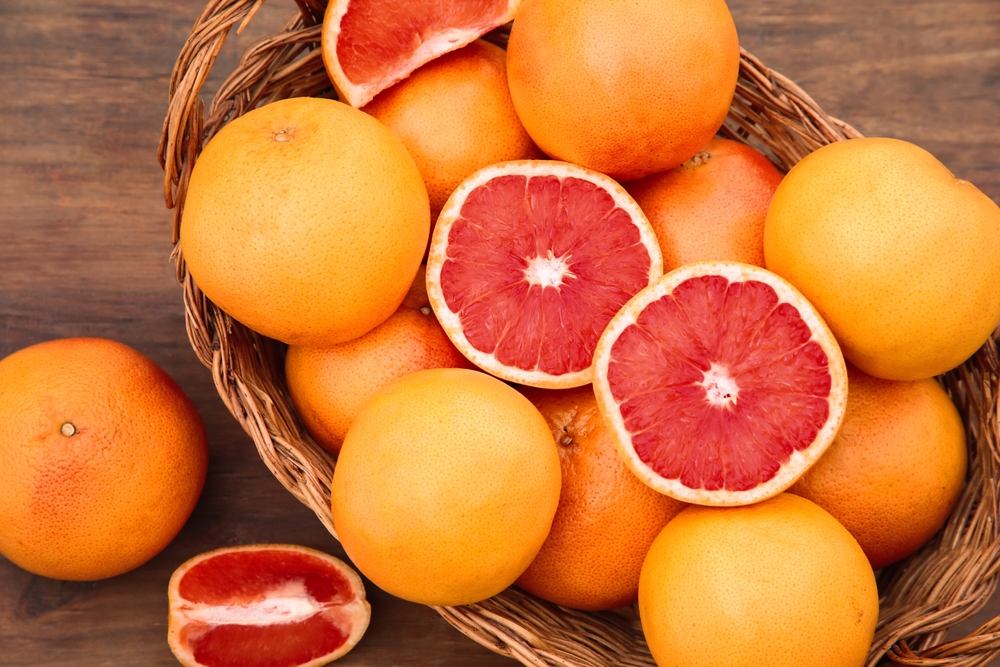
Grapefruit and grapefruit juice can inhibit the enzyme CYP3A4, causing medications such as felodipine, nifedipine, atorvastatin, and simvastatin to accumulate in the body. This buildup can lead to dangerous side effects.
Also read: Common mistakes that might damage your brain
Other citrus fruits, like oranges, do not have this effect.
MAO inhibitors and aged cheeses
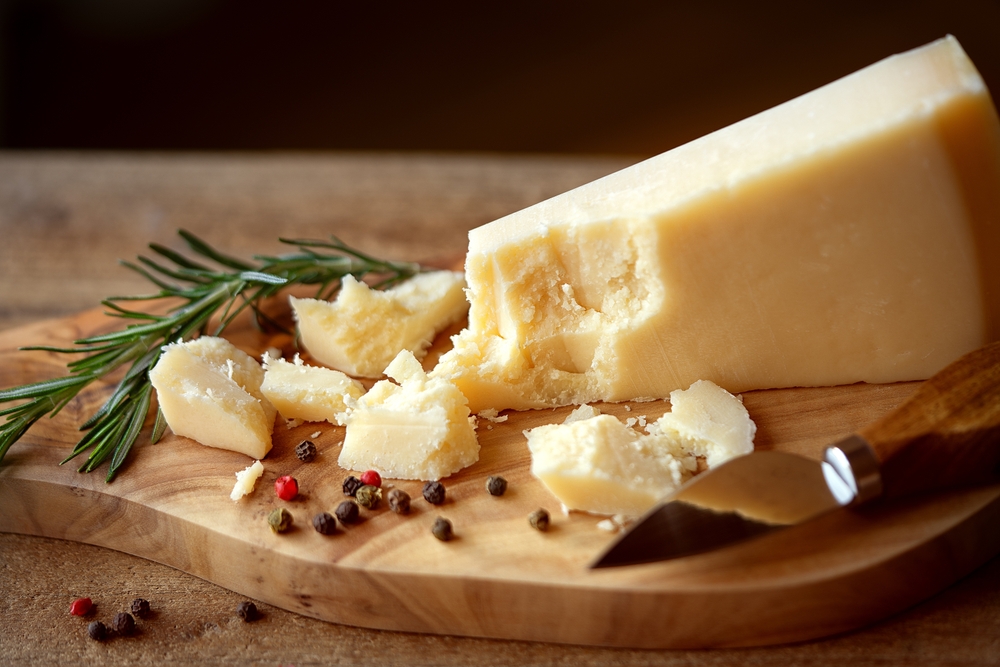
MAO inhibitors such as isocarboxazid, phenelzine, selegiline, and tranylcypromine can interact with foods high in tyramine, including aged cheeses, wine, pickled herring, yeast, and fava beans.
This combination may trigger a sudden and dangerous spike in blood pressure.
Ziprasidone and small meals
The antipsychotic medication ziprasidone (Geodon) should be taken with a meal of at least 500 calories to ensure proper absorption and effectiveness.
Also read: Eight sports that keep your brain young, according to neurologist
Eating it with enough food helps the body use the medication efficiently.
Hypothyroid medication and food
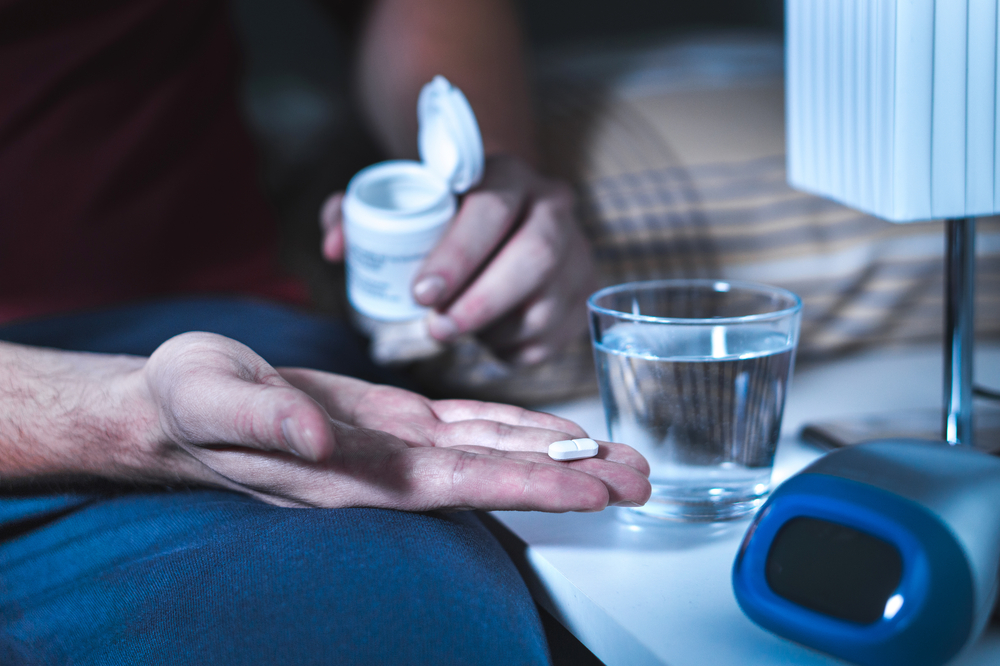
Levothyroxine (Synthroid), used to treat hypothyroidism, should be taken first thing in the morning on an empty stomach and at least 30–60 minutes before eating.
Food can interfere with absorption in the intestines, reducing the drug’s effectiveness, even coffee can have this effect.
Spironolactone and licorice
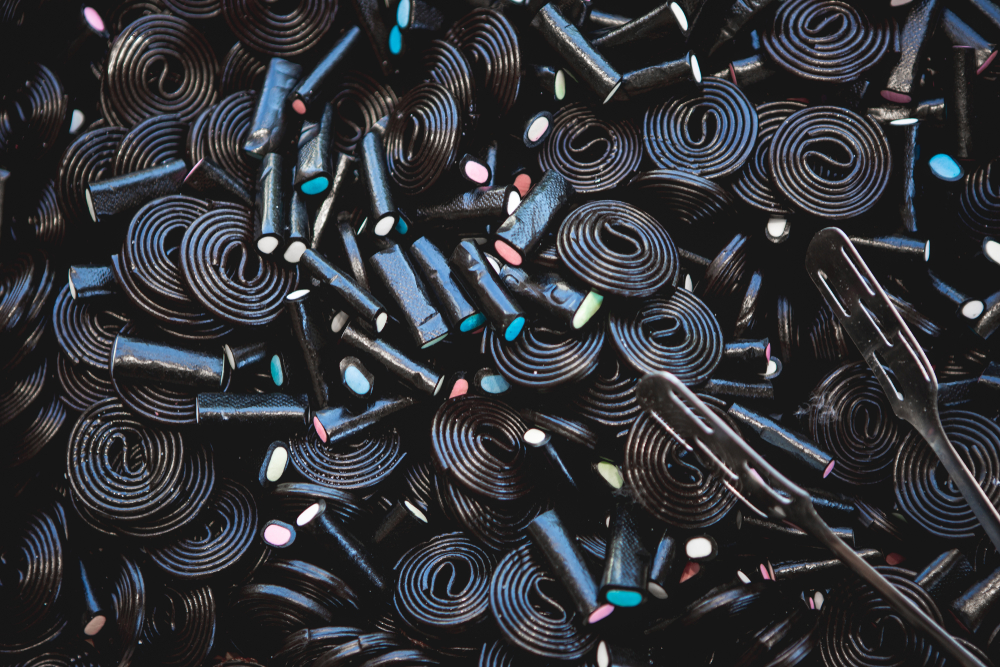
Spironolactone (Aldactone), used to treat low potassium and heart failure, can become ineffective if you consume licorice or licorice tea.
Also read: Common signs that may suggest you have ADHD
Licorice competes for the same receptors in the body, so it’s best to avoid it while taking this medication.
SSRIs and alcohol
Combining SSRIs (a type of antidepressant) with alcohol can increase the risk of stomach or intestinal bleeding.
Alcohol may also worsen the depression or anxiety symptoms the medication is meant to treat.
Warfarin and kale
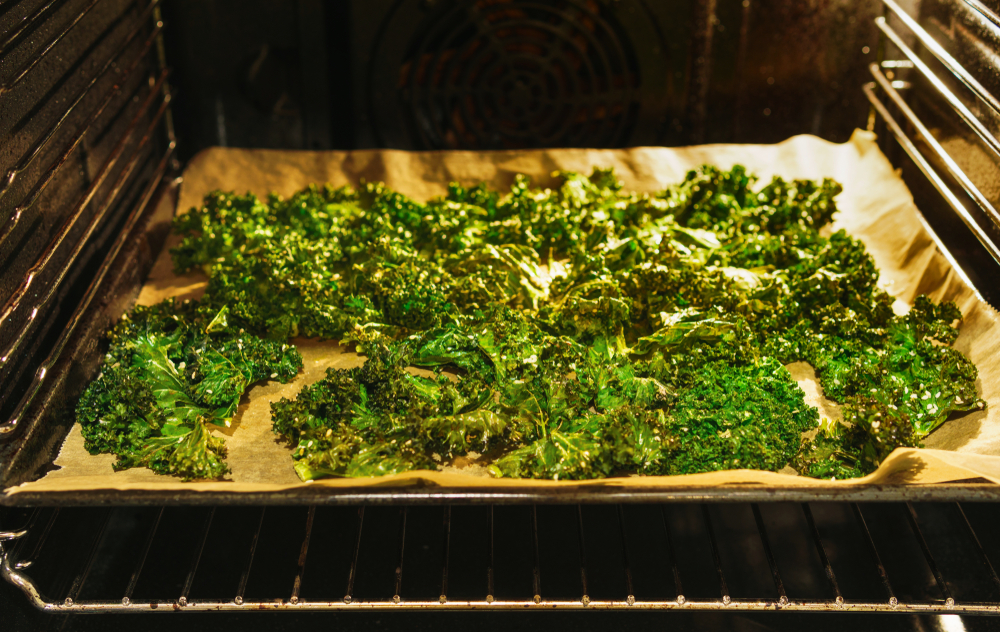
Warfarin (Jantoven, Coumadin) is a blood thinner, but foods high in vitamin K, such as kale and broccoli, can counteract its effect.
Also read: How to tell if your stress is really early-stage Alzheimer’s
It’s important to maintain a consistent intake of vitamin K so your doctor can adjust your medication dose accurately.
Metronidazole and alcohol
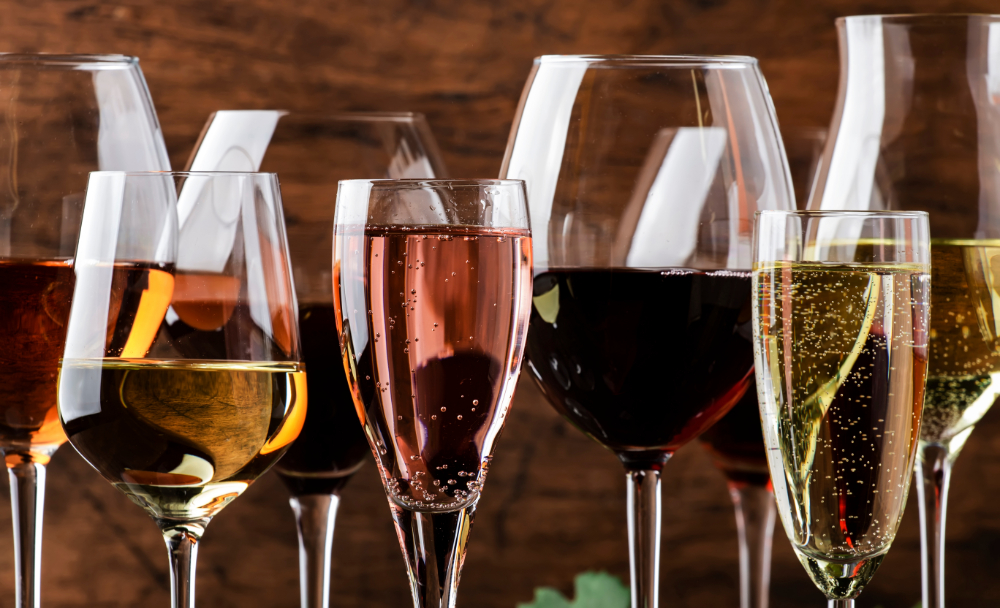
Metronidazole (Flagyl), used to treat infections such as bacterial vaginosis, must not be combined with alcohol.
The interaction disrupts alcohol metabolism and can cause severe vomiting. Wait at least 48 hours after finishing treatment before drinking alcohol.
Knowledge is your best protection
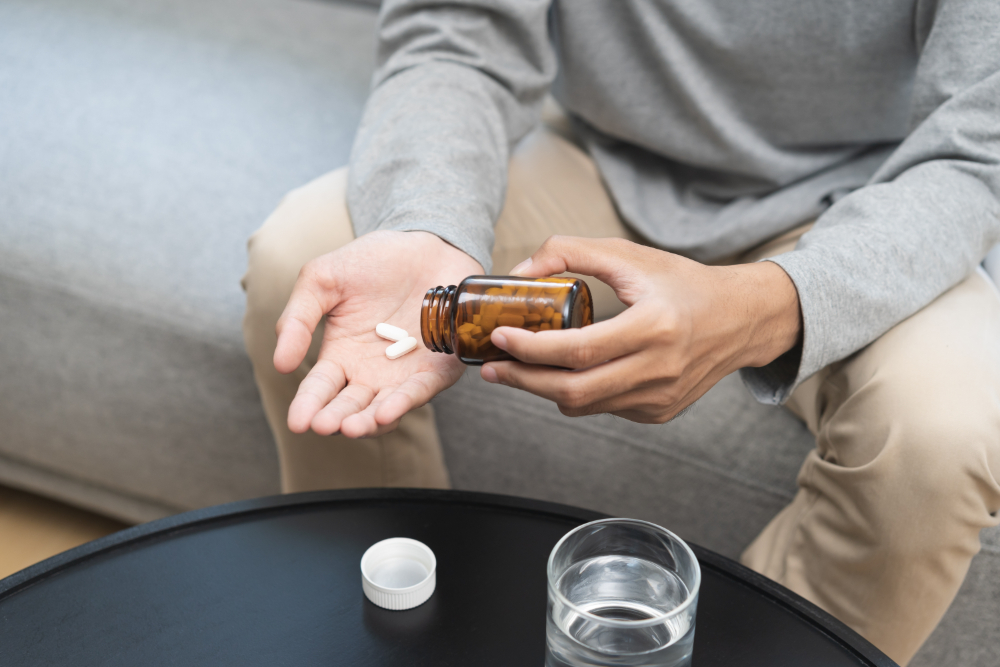
Being aware of how food affects medication can help you avoid serious side effects and ensure your treatment works as intended.
Always consult your pharmacist about possible food interactions and keep your meal routines consistent.
This article is based on information from Everyday Health.