
Diet can influence several of the factors associated with the risk of stroke.
Experts highlight a range of foods to Prevention that may support healthy blood pressure and cholesterol levels, as well as blood vessel function.
Avocado
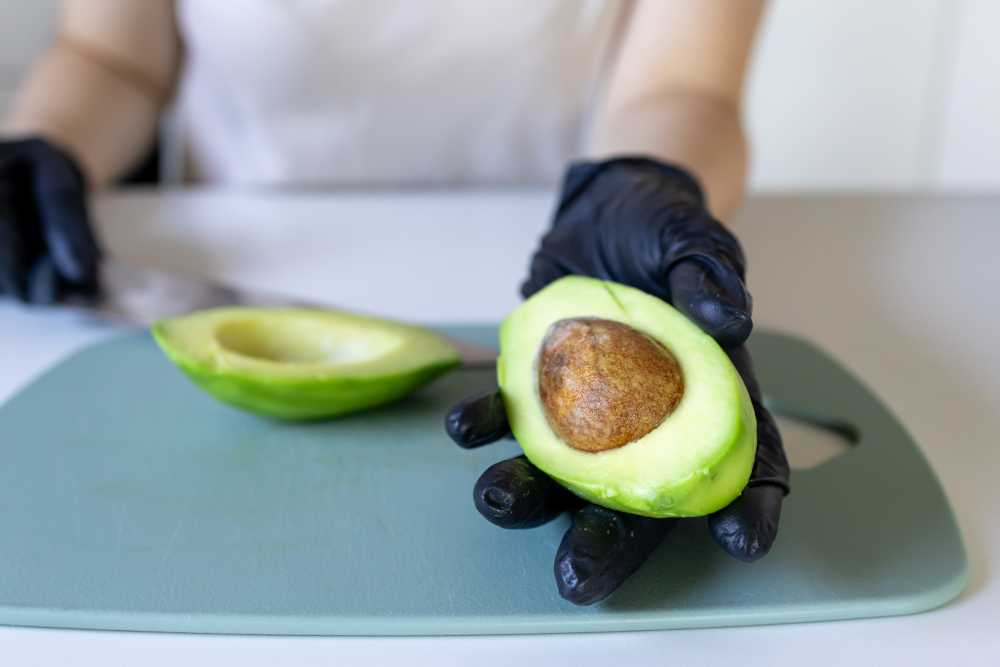
Avocados contain potassium and monounsaturated fats, which are considered heart-healthy.
For this reason, the fruit is highlighted as a food that can be included in a diet focused on heart and circulatory health.
Also read: Just 5 extra minutes of exercise a day could prevent 1 in 10 early deaths
Oily fish
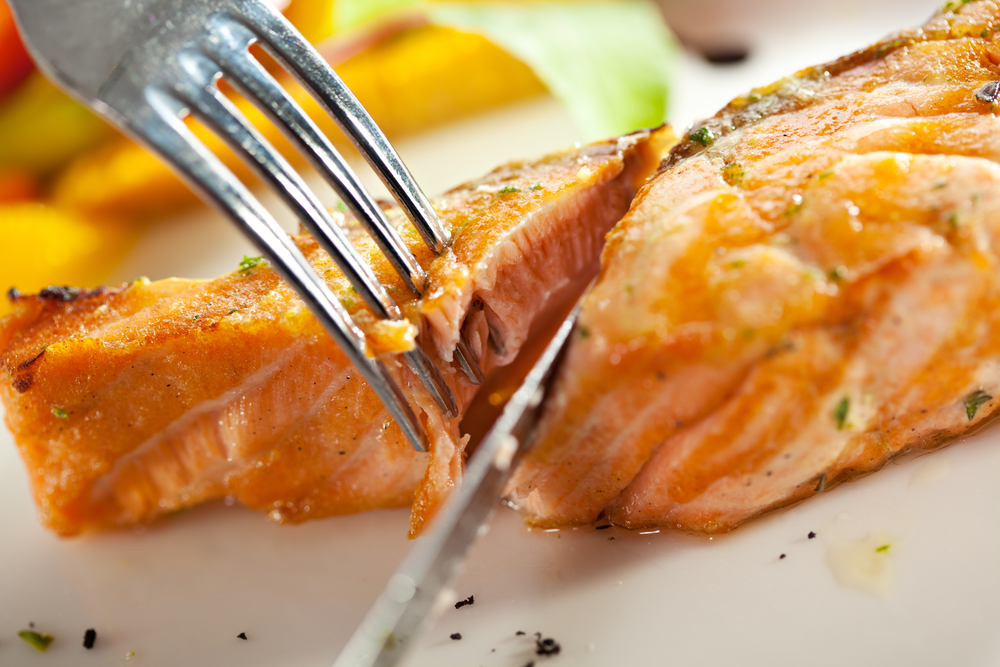
Salmon, sardines and mackerel are rich in the omega-3 fatty acids EPA and DHA.
They may help reduce inflammation, improve cholesterol levels and lower the risk of blood clots. Oily fish may also help lower blood pressure and cholesterol.
A study published in the Journal of Stroke and Cerebrovascular Diseases found an association between oily fish consumption and the risk of stroke.
Coffee

Coffee contains phenolic compounds and small amounts of minerals that can act as antioxidants.
Also read: How hard should your workout be? Target heart rate zones sorted by age
According to Prevention, moderate amounts of coffee, including decaffeinated coffee, may have beneficial effects on cholesterol and inflammation, among other things.
Yogurt
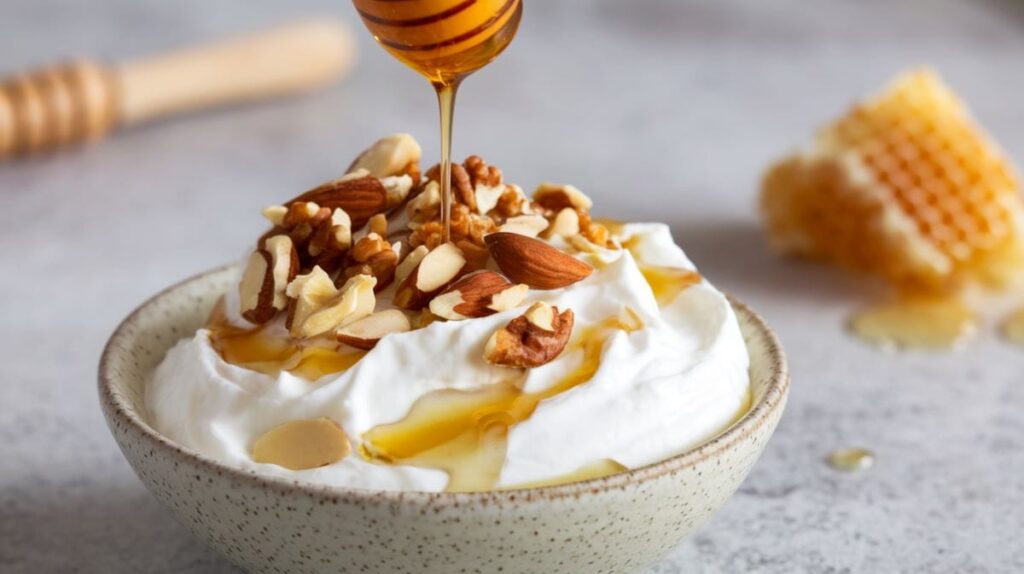
Yogurt provides calcium, potassium and probiotics. These may help support lower blood pressure and a healthier balance of fats in the blood.
It is recommended to choose yogurt with a low amount of added sugar.
Beets
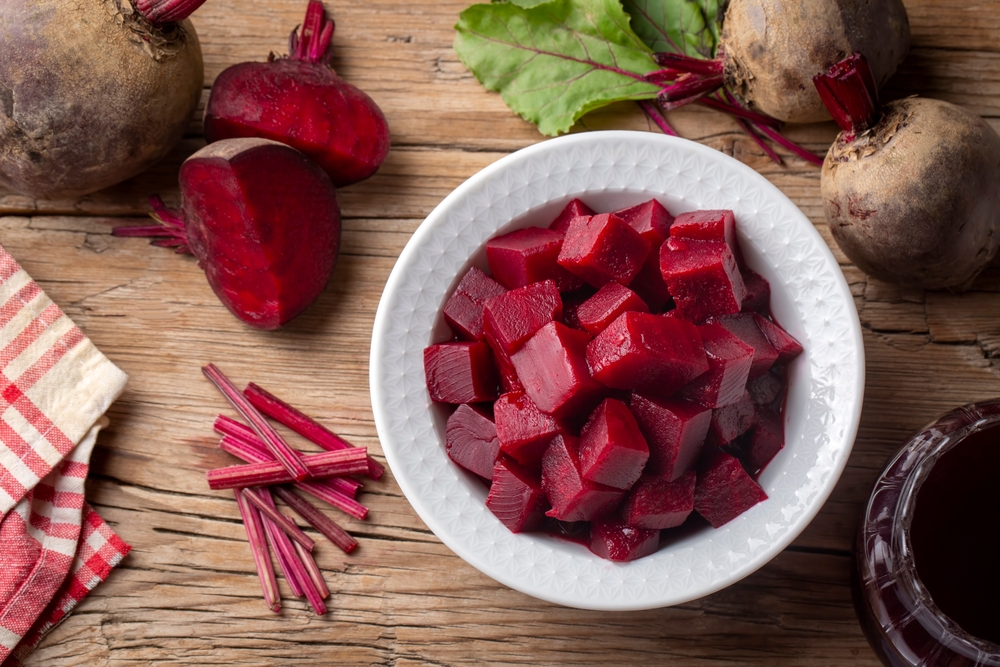
Beets are rich in nitrates. They can support the body's production of nitric oxide, which plays a role in blood vessel function, among other things.
Also read: Skip the elevator: Taking the stairs linked to lower mortality
Walnuts
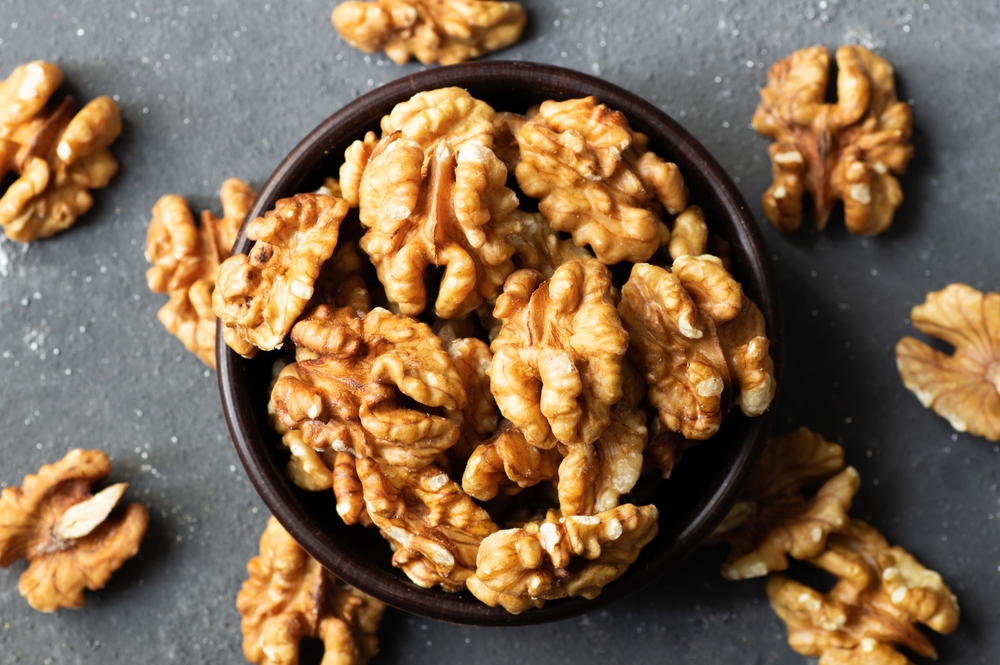
Walnuts contain the omega-3 fatty acid alpha-linolenic acid. It is associated with reduced inflammation, improved blood flow and lower blood pressure.
The nuts also contain antioxidants and other nutrients that may support heart and circulatory health.
Green tea
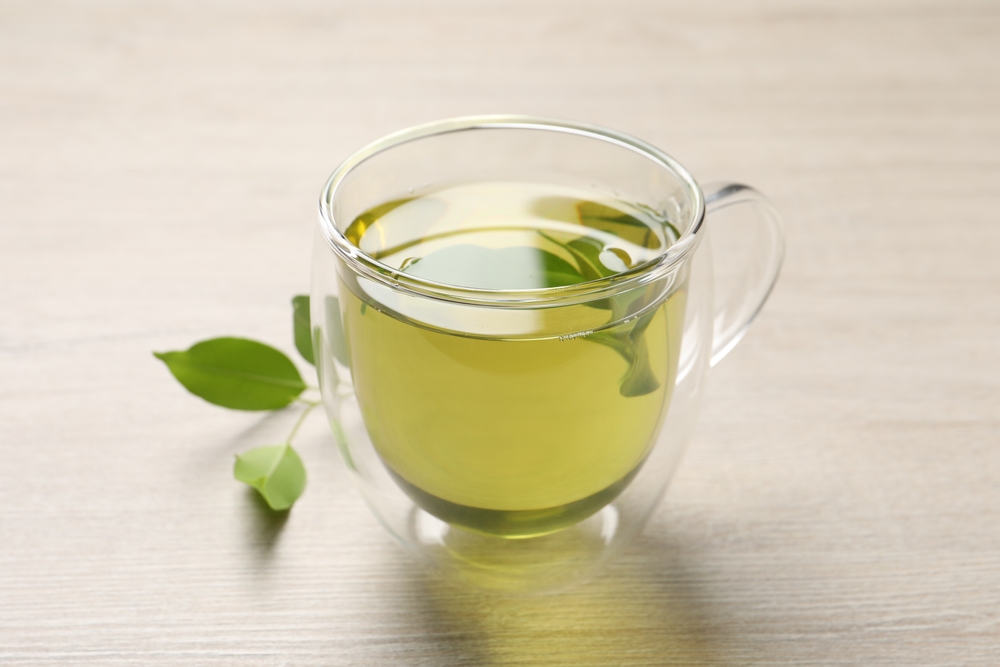
Green tea contains catechins, which may help reduce oxidative stress.
According to Prevention, this may be one reason why green tea could potentially contribute to a lower risk of stroke.
Also read: Extreme heat may be harming your body in more ways than doctors previously realized
Oranges
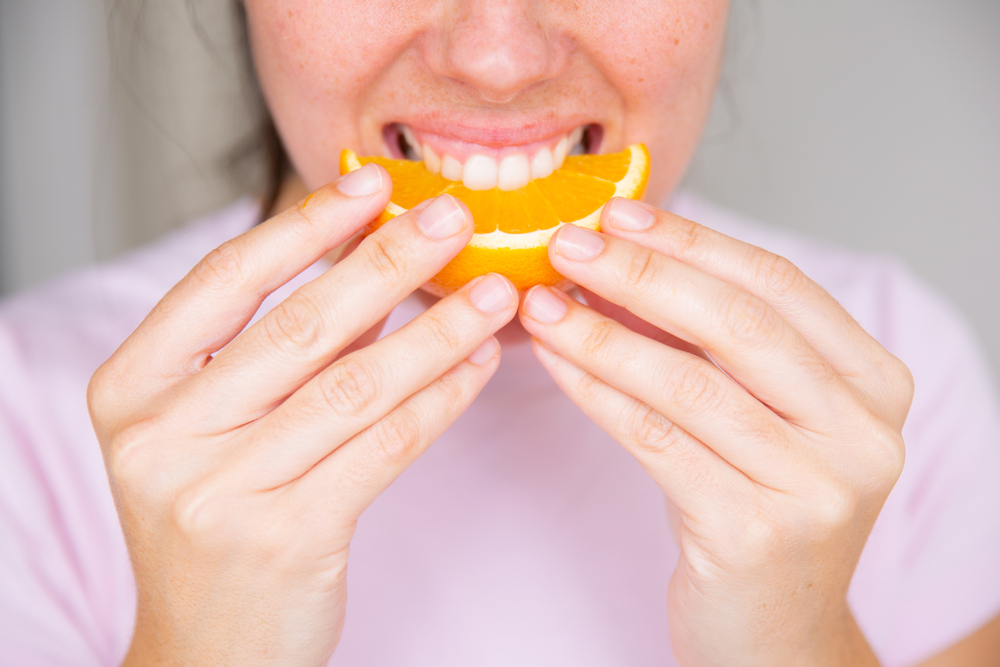
Oranges and other citrus fruits contain vitamin C, folate and potassium, among other nutrients.
They also contain soluble fiber, which can help lower LDL cholesterol.
However, grapefruit can interact with certain types of medication.
Legumes
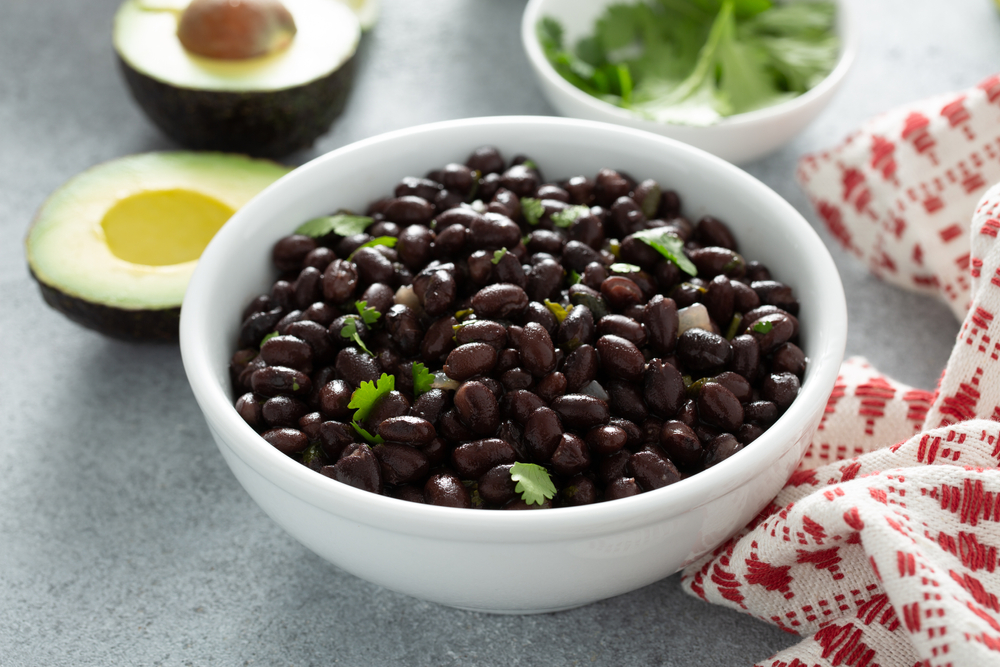
Legumes provide both fiber and plant-based protein.
Also read: On blood pressure meds? Missing more than 1 in 5 doses may erase most of the heart benefit
They can therefore form part of a diet focused on reducing factors associated with the risk of stroke.
Oats

Oats and other whole-grain foods contain magnesium, B vitamins and antioxidants.
The fiber can help maintain more stable blood sugar levels, while whole grains are also associated with reduced inflammation in the body.
Dark chocolate
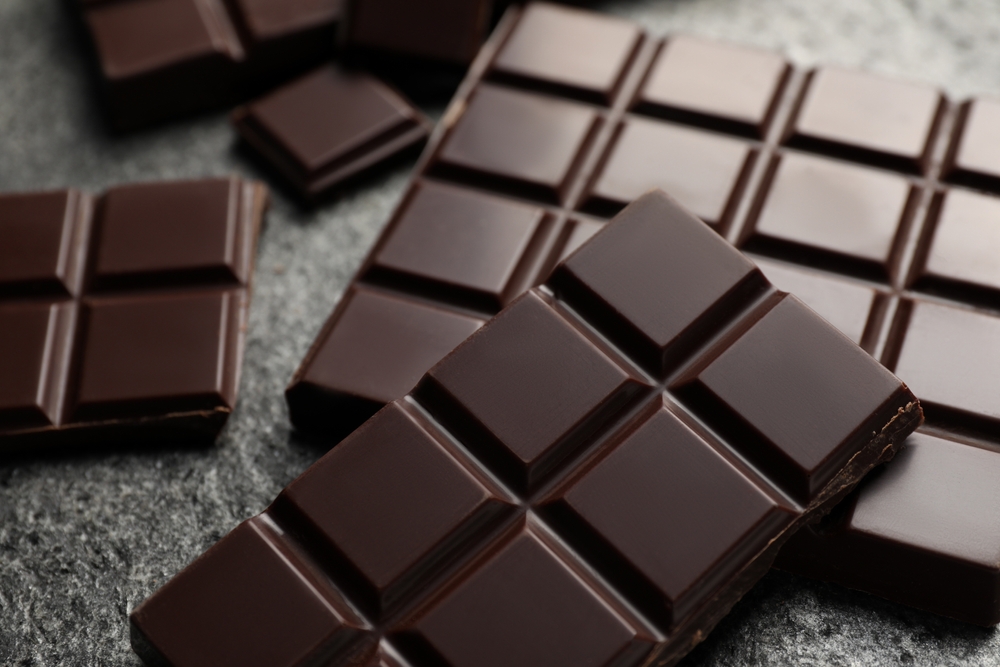
Dark chocolate contains flavonoids.
According to nutrition expert Scott Keatley, these compounds can improve the availability of nitric oxide and may help lower blood pressure slightly.
However, dark chocolate should be eaten in moderation.
Leafy green vegetables
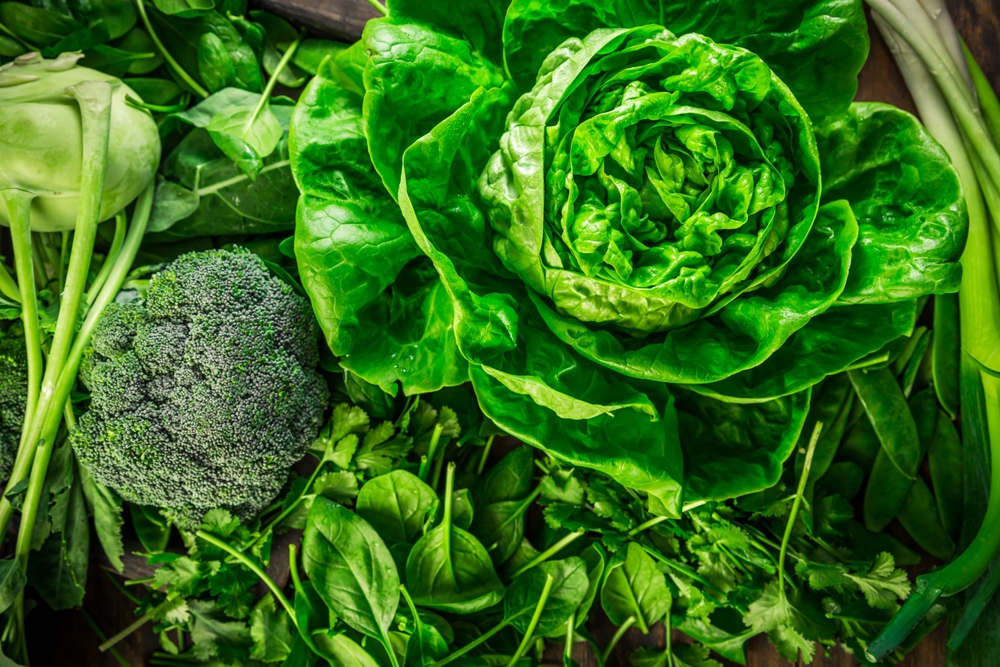
Spinach, kale and arugula contain nitrates, which the body can convert into nitric oxide.
This can help blood vessels relax, support blood flow and lower blood pressure. The vegetables also contain vitamin K, fiber, vitamins and minerals.
Plant-based proteins
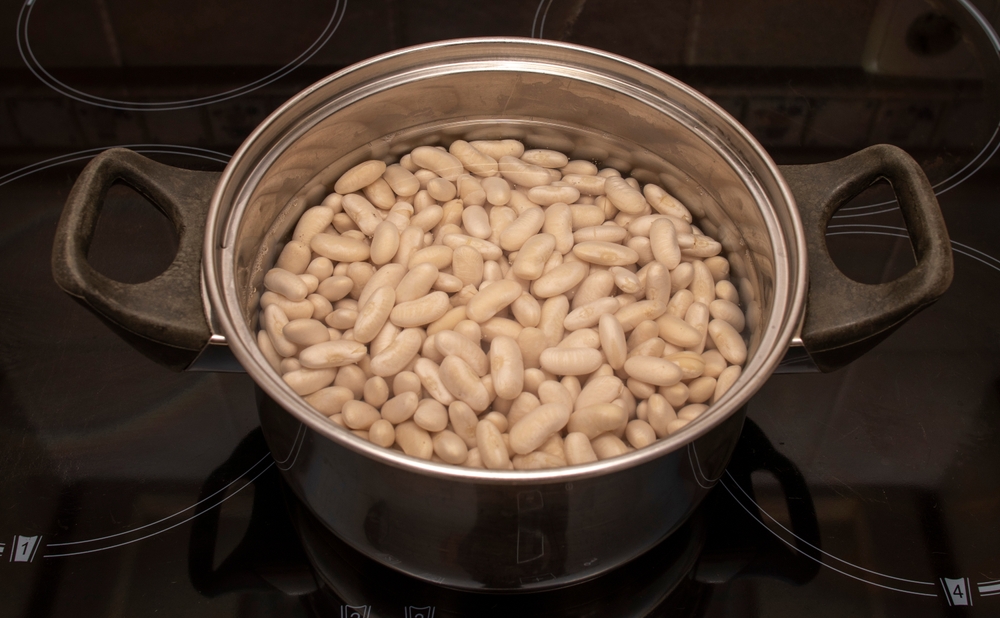
Black beans and kidney beans provide both plant-based protein and soluble fiber.
Eating more plant-based protein may also make it easier to consume fewer animal-based foods that are high in saturated fat.
Foods with soluble fiber
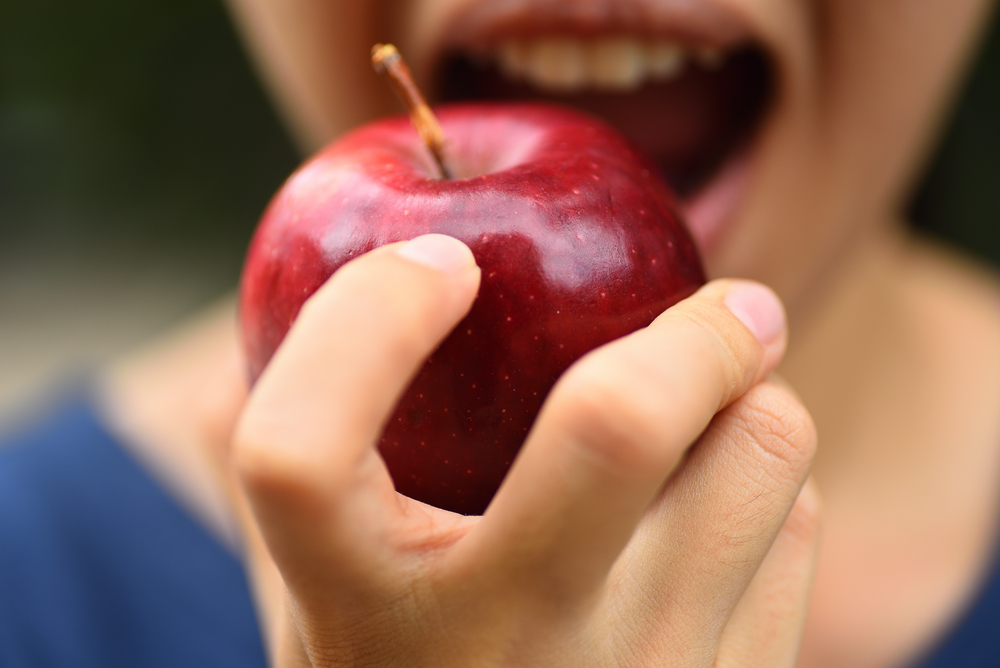
Soluble fiber can help lower LDL cholesterol and control sharp increases in blood sugar.
Prevention highlights apples, apricots, figs, pears, carrots, broccoli and sweet potatoes as good sources, among others.
This article is made and published by Ida-Marie Palm Varbæk, who may have used AI in the preparation.