
It is not only stress and sleep habits that can influence your dreams.
According to Dreams, certain foods and drinks consumed before bedtime may be linked to more restless nights and a higher risk of nightmares.
Spicy food

Spicy foods can be harder for the body to digest.
They may raise body temperature and disrupt sleep, which according to Dreams could increase the likelihood of nightmares.
Also read: New study questions whether more sunlight prevents vitamin D deficiency
Tabasco
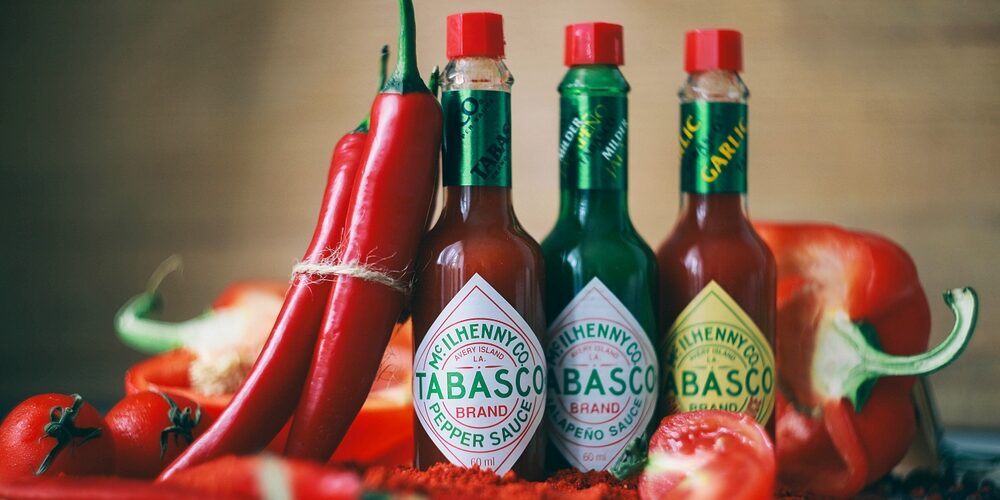
A study published in the International Journal of Psychophysiology found that people who ate Tabasco with their evening meal experienced more disrupted sleep.
The ideal time to avoid spicy food before bed

If you plan to eat very spicy food, Dreams recommends doing so at least six hours before going to bed.
Sugar

Foods high in sugar, such as cakes, cookies, and chocolate, have also been linked to unusual and disturbing dreams.
Study of university students

A study published in Frontiers in Psychology examined 396 university students.
Also read: Weight-loss medications may increase the risk of hair loss by up to 68 percent
Among them, 31 percent reported experiencing unusual or unpleasant dreams after eating cookies and cake.
Chocolate is a double challenge
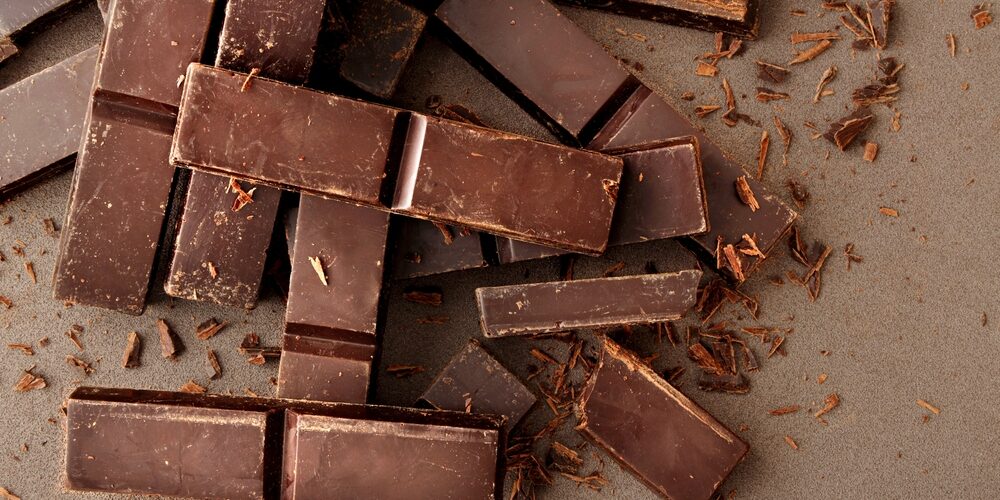
Chocolate contains both sugar and caffeine.
According to Dreams, this combination can make it more difficult to fall asleep and may also be associated with nightmares.
Bread and pasta

Bread and pasta are converted into glucose by the body. According to Dreams, they may therefore have a similar effect to sugary foods.
Also read: From teachers to drivers: The jobs linked to hidden health problems
Rice
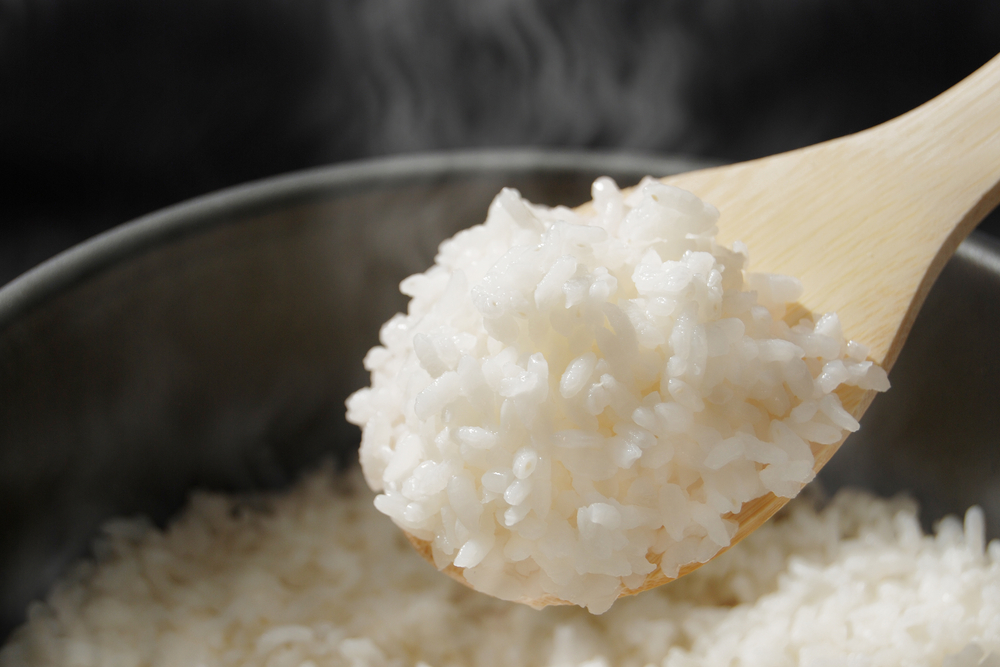
A study published in PLOS ONE found that pasta was associated with poorer sleep quality, while rice was linked to better sleep quality.
Alcohol

Alcohol is also considered a possible cause of poorer sleep.
Although it can make you feel sleepy, it may also increase the likelihood of waking up during the night.
Large meals late in the evening

Dreams points out that eating large meals just before bedtime may both increase the risk of weight gain and lead to more vivid nightmares.
Also read: Popular weight-loss drugs face new hair loss questions
Brain activity

According to Dreams, eating a late-night meal may make the brain more active during sleep, potentially leading to more intense dreams.
Choose the right snacks
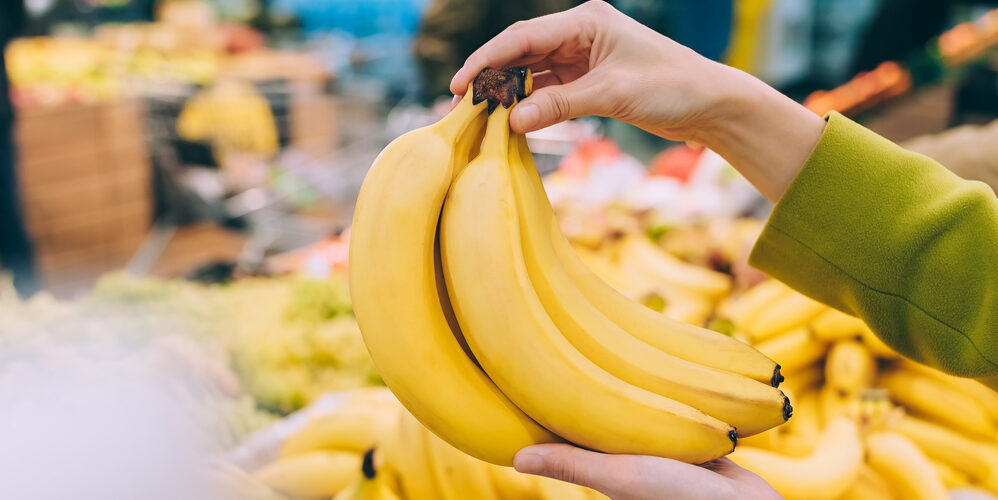
If you feel hungry late in the evening, Dreams recommends foods that contain melatonin or tryptophan.
Examples include turkey, cheese, and bananas.
Nightmares can have several causes

Dreams emphasizes that food is not the only possible explanation for nightmares.
Also read: New study finds drug reversed autism-like brain changes within hours
Stress, an uncomfortable mattress, and even certain smells may also influence your dreams.
This article is made and published by Ida-Marie Palm Varbæk, who may have used AI in the preparation.