
Up to 40% of dementia risk can be influenced by lifestyle choices. Here are 12 science-backed factors you can act on to help protect your brain for the future.
Limited Education

Fewer years of formal education are linked to a higher risk of dementia. Lifelong learning—through reading, games, or learning new skills—can help build cognitive resilience.
Untreated Hearing Loss

Unaddressed hearing issues can lead to mental under-stimulation and social withdrawal. Hearing aids may significantly reduce this risk, so don’t ignore hearing problems.
Traumatic Brain Injury

Wearing helmets and avoiding high-risk contact sports can help protect your brain. Repeated or severe head injuries raise dementia risk.
High Blood Pressure
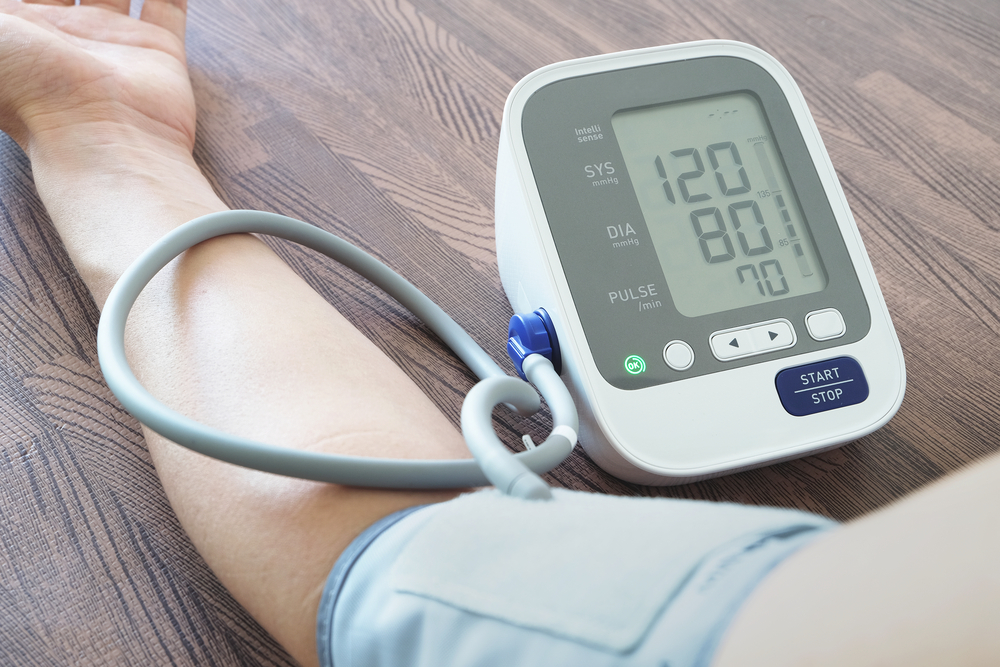
Hypertension in midlife may damage brain blood vessels. Lifestyle changes and, if needed, medication can help reduce this risk.
Heavy Alcohol Use

Consuming more than 21 drinks a week is linked to brain shrinkage and impaired function. Following alcohol guidelines can protect long-term brain health.
Obesity

Excess body weight in midlife increases the risk of dementia by promoting related conditions like diabetes and hypertension. Staying active and eating well can reduce this burden.
Smoking

Smoking accelerates brain cell damage and increases oxidative stress. Quitting reduces your risk significantly—even if you’ve smoked for years.
Depression

Untreated depression may physically shrink memory-related brain regions. Early treatment could help limit long-term cognitive effects.
Social Isolation

Lacking meaningful social contact is a major risk factor. Staying connected—online or in person—keeps your brain active and emotionally supported.
Physical Inactivity

A sedentary lifestyle decreases the production of brain-supportive proteins. Daily exercise helps maintain cognitive function and prevent decline.
Type 2 Diabetes

This condition harms blood flow and contributes to inflammation, which impacts brain health. Managing diabetes through diet, activity, and medication is key.
Air Pollution

Long-term exposure to polluted air may raise dementia risk by increasing inflammation and blood vessel damage. Avoid exercising near heavy traffic when possible.
This article is based on information from Videnskab.dk
This article is made and published by Mie Hermansen, who may have used AI in the preparation.