
Major lifestyle changes can be difficult to maintain over time. Small daily habits, on the other hand, can make healthy choices feel easier and more natural in everyday life.
Here are several simple micro habits that may support long-term weight loss, according to Healthline.
Start the day with protein

Protein at breakfast can help you feel full for longer and keep blood sugar levels more stable. This may reduce cravings for snacks later in the day.
Examples include Greek yogurt with fruit, eggs, smoothies with protein powder, or cottage cheese with fruit.
Also read: American doctor infected with Ebola as authorities tighten health controls
Drink water before meals

Drinking one or two glasses of water before a meal may help reduce daily calorie intake, according to a study published in Canadian Family Physician.
Water can increase feelings of fullness and make it easier to eat less without feeling deprived.
Add healthy ingredients
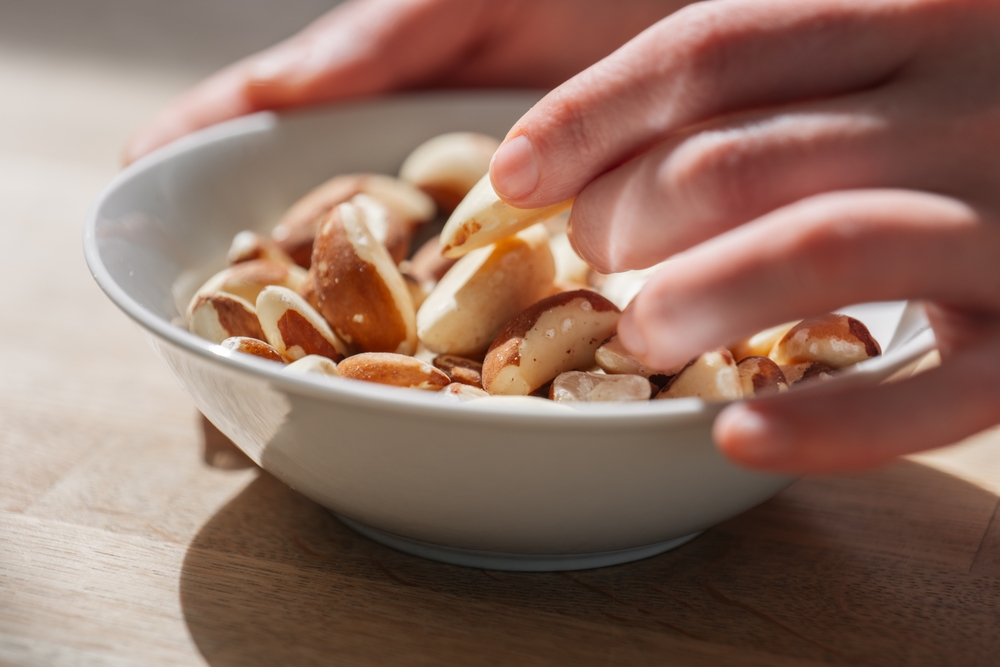
Instead of focusing on restrictions, try adding more nutritious elements to meals.
This could include vegetables, lean protein, healthy fats, nuts, or seeds.
Also read: Cough drops seem harmless - but too many can cause an overdose
Move more during the day

Small forms of movement can make a difference. This may include taking the stairs, parking farther away, or going for short walks.
These small activities can increase overall energy expenditure throughout the day.
Take short pauses before snacking

A brief pause before reaching for a snack can help determine whether you are actually hungry or simply bored or stressed.
This can lead to more mindful food choices.
Also read: How cranberries can affect your body if you eat them regularly
Keep healthy snacks visible

Having fruit, nuts, or vegetables within easy reach can influence food choices during the day.
At the same time, it may help to keep less nutritious snacks out of sight.
Eat more slowly

Eating more slowly can increase feelings of fullness and help the body better recognize hunger and fullness signals.
Small changes, such as putting the fork down between bites, can make a difference.
Also read: New study explains why coffee tastes bitter despite its aroma
Go for a walk after meals

A short walk after a meal may help stabilize blood sugar levels. Even 10 minutes of walking at a relaxed pace can positively affect appetite and energy levels.
Use daily tasks as exercise

Everyday tasks can also provide opportunities for more movement. This may include walking to the mailbox, running small errands, or doing physical work in the garden.
Create consistent snack routines

Planned snacks or small desserts can make it easier to avoid feelings of restriction. This can create more structure and make healthy habits easier to maintain.
Focus on one habit at a time

Instead of tracking every calorie, it may be more manageable to focus on one thing, such as vegetable intake or daily movement.
Also read: 38-year-old Laura ignored her fatigue – it turned out to be cancer
This can make the process feel less overwhelming.
Focus on small progress

Small improvements, such as having more energy, building better habits, or feeling more balanced, can be just as important as the number on the scale.
These improvements can help motivate continued healthy routines.
Small changes may last longer

Micro habits are about small, realistic actions in everyday life. When repeated over time, they can create lasting changes without leading to burnout or major feelings of deprivation.
Sources: Healthline and Canadian Family Physician.
This article is made and published by Ida-Marie Palm Varbæk, who may have used AI in the preparation.