
It’s easy to forget what’s floating in the air as you cook dinner. But new research shows that gas stoves could be filling your entire home with invisible, cancer-causing chemicals. And the danger isn’t confined to the kitchen.
Gas Stoves Release More Than Heat

Beyond the warmth and sizzling sounds, gas stoves emit pollutants like nitrogen dioxide, formaldehyde, and benzene — a chemical linked to leukemia.
Benzene Moves Beyond the Kitchen

Even if the stove is only in your kitchen, benzene doesn’t stay there. The study found that it spreads throughout the house, especially into bedrooms where people spend long hours breathing it in.
Small Homes Face Bigger Risks
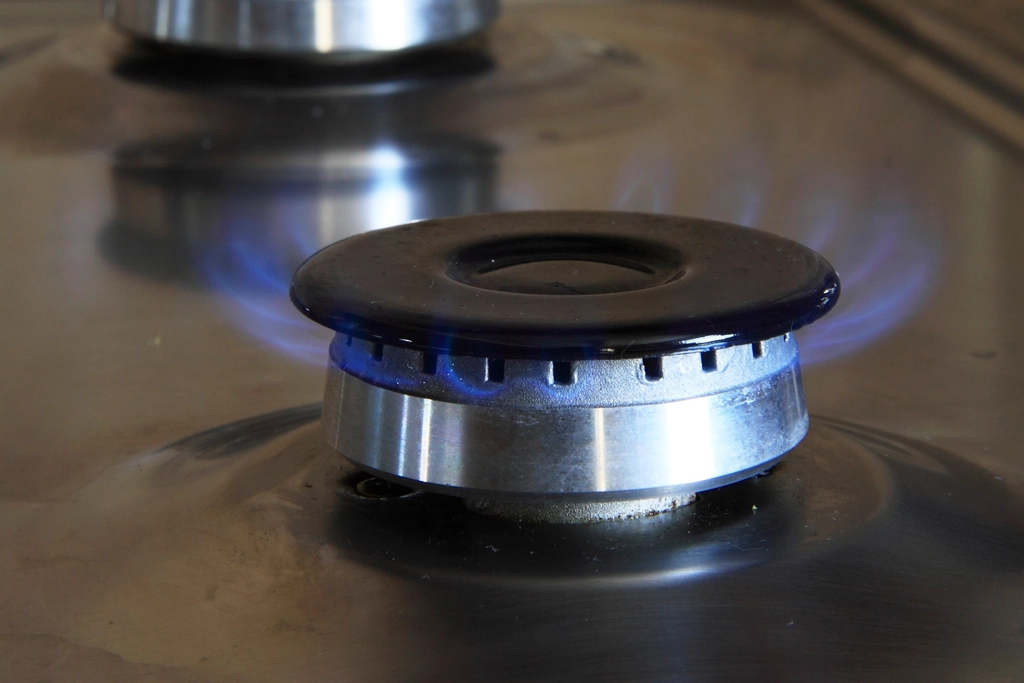
In apartments or smaller homes with limited airflow, benzene levels from gas stove use can rise to alarming levels, increasing cancer risk significantly.
Bedrooms Become Unexpected Hotspots

Ironically, the rooms furthest from the kitchen showed the highest benzene buildup. People spend more than a third of their time sleeping, making prolonged exposure a hidden danger.
Children Are More Vulnerable

Because children breathe faster and have smaller bodies, they absorb more benzene per breath. This raises their risk far beyond adults living in the same space.
Poor Ventilation Magnifies the Problem

Without proper ventilation, using a gas stove even for moderate periods can cause benzene concentrations to exceed safe levels recommended by global health authorities.
Even Short Cooking Sessions Can Add Up

Just five minutes of cooking at medium flame on a single burner can raise benzene levels — and those levels accumulate over time, especially with poor airflow.
Ventilation Helps But Doesn’t Eliminate Risk

Using kitchen hoods and opening windows can reduce benzene levels by up to 99%, but even with efficient hoods, some risk remains, particularly in high-use households.
Electric and Induction Are Safer Choices

Switching to electric or induction cooktops completely removes the benzene issue, providing a safer alternative for households worried about indoor air quality.
Urgent Need for Broader Policies
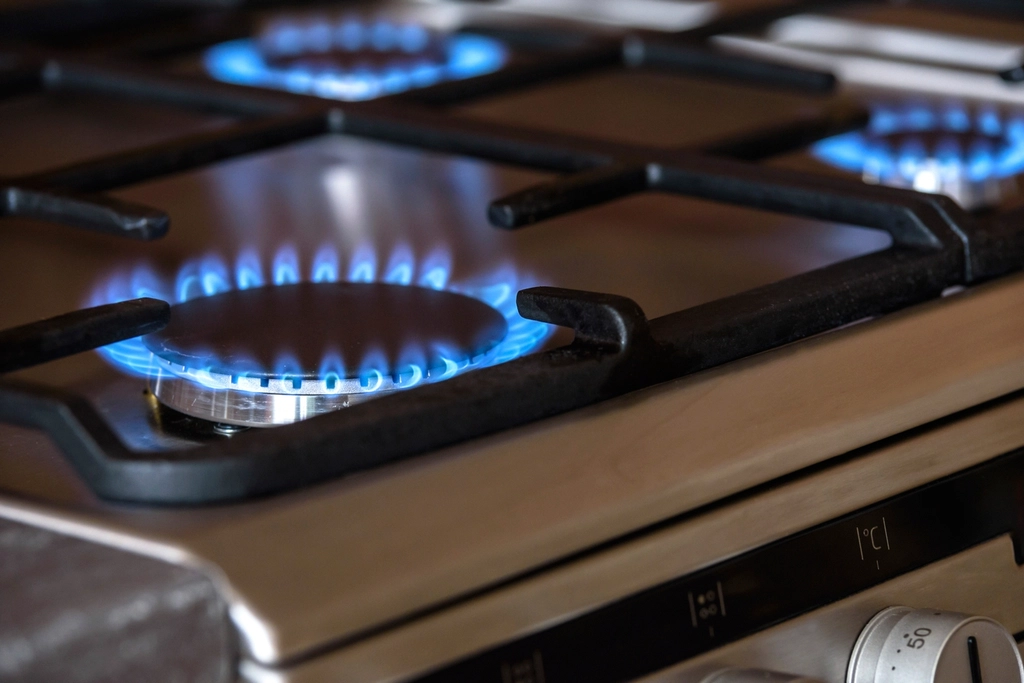
Experts behind the study urge for more aggressive public health policies, especially in areas with high outdoor benzene levels or where gas stove usage is heavy.
This article is based on information from Medical News
This article is made and published by Mie Hermansen, who may have used AI in the preparation.