
Pumpkin is more than just a fall favorite. It’s a nutrient-rich vegetable filled with vitamins, minerals, and antioxidants that can benefit your health in multiple ways.
Your eyes get the support they need

Pumpkin contains beta-carotene, which converts into vitamin A. This nutrient protects against cell damage and may reduce the risk of cataracts and macular degeneration.
Your immunity gets a boost

Vitamins A, C, and E in pumpkin help protect the gut lining and strengthen the body’s defenses against infections and harmful bacteria.
Your heart is protected

The potassium, calcium, and magnesium in pumpkin may help regulate blood pressure and lower the risk of heart disease, stroke, and blood clots.
Also read: Doctor Reveals Symptoms That Could Signal Bowel Cancer
Your digestion improves
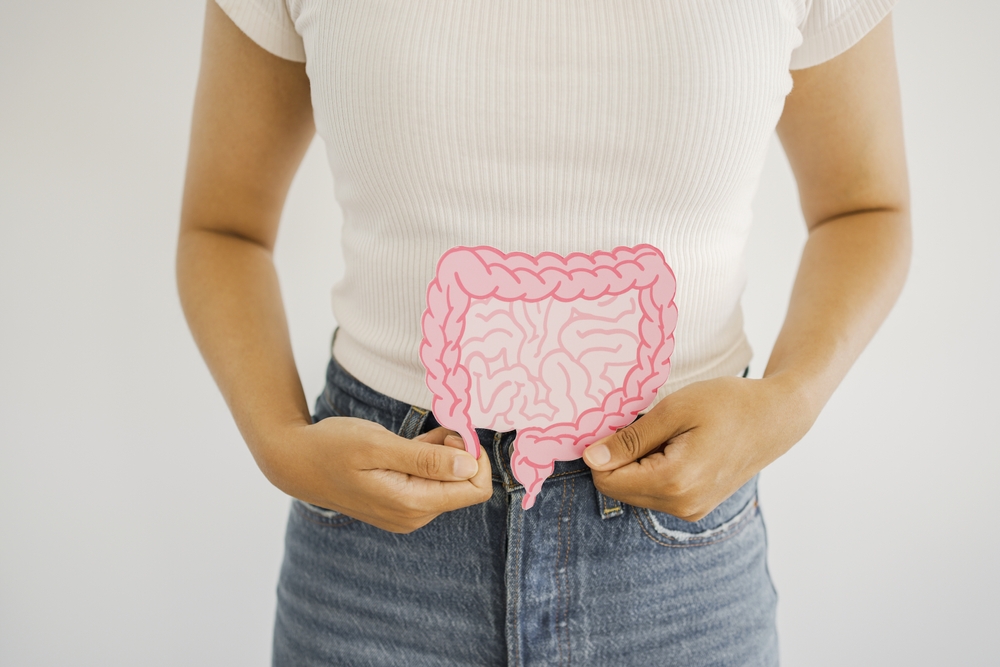
One cup of pumpkin provides nearly a third of the daily recommended fiber intake. Fiber promotes regular bowel movements and supports a healthy gut microbiome.
Your metabolism gets a lift
Pumpkin’s high fiber and water content help increase satiety, provide steady energy, and support weight management by reducing the need for heavier, calorie-rich foods.
Your skin gets extra care

Vitamins A, C, and E contribute to skin health. They may protect against sun damage, improve skin texture, and nourish the skin from within.
Your cancer risk may decrease

Antioxidants like beta-carotene have been linked to a lower risk of certain cancers, including stomach, breast, and pancreatic cancer.
Also read: New Study: Most Men Don’t Know This Prostate Cancer Symptom
Your blood sugar may stabilize

Preliminary studies suggest that pumpkin and pumpkin seeds may help lower blood sugar, which could benefit those with or at risk of diabetes.
Pumpkin is low in calories
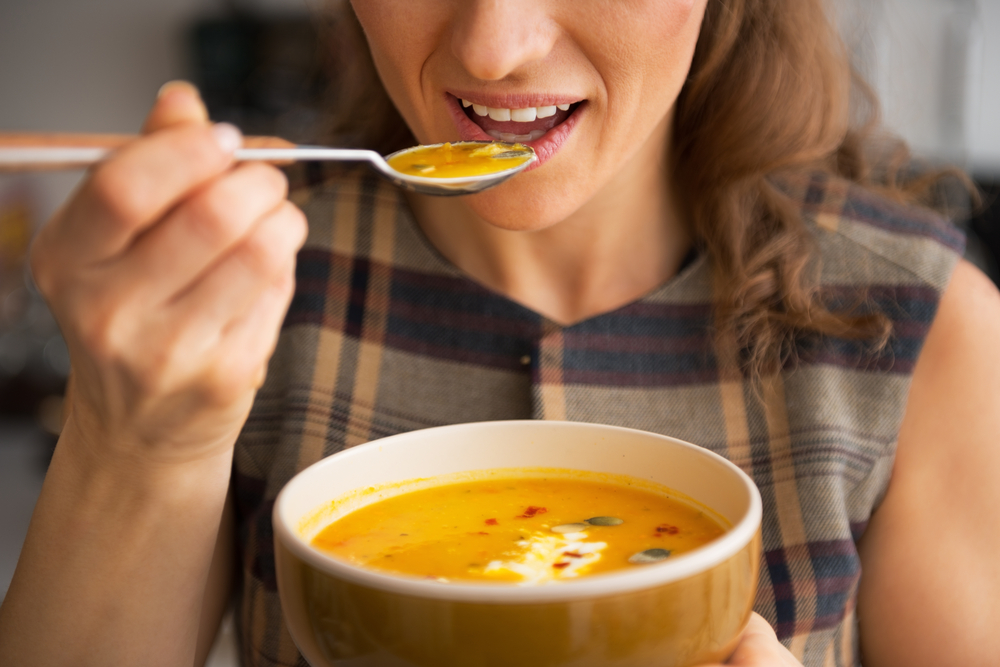
With only 137 calories per cup, pumpkin is a nutrient-dense, light ingredient suitable for both sweet and savory dishes.
It’s rich in vitamin A

One cup of pumpkin provides over 200 % of the daily vitamin A requirement, essential for vision, immunity, and skin health.
Pumpkin provides essential minerals
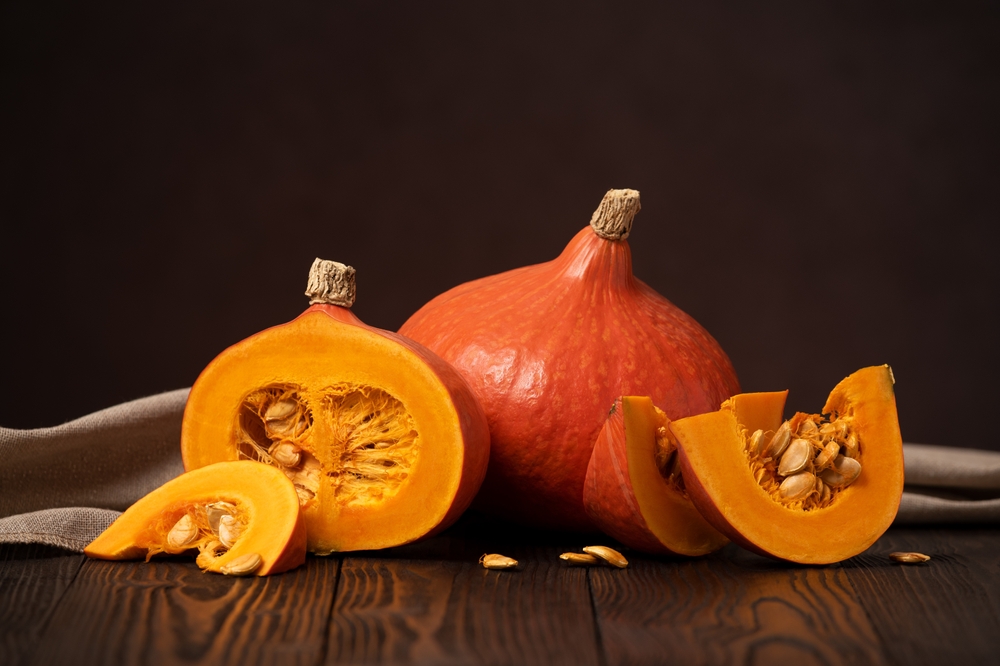
Pumpkin offers magnesium, calcium, and iron, all vital for energy metabolism, bone health, and circulation.
Also read: New Study Finds Diet May Boost Happiness and Well-Being in Older Adults
Pumpkin seeds add extra nutrition
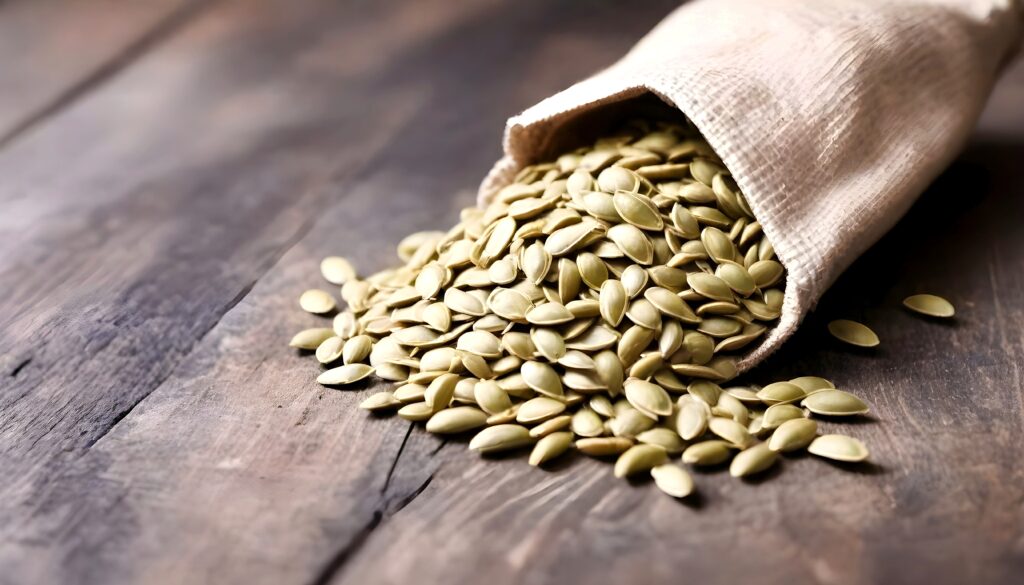
Pumpkin seeds are protein-rich and packed with minerals like magnesium and zinc that support heart health, blood pressure, and immunity.
They support digestion even more
Pumpkin seeds contain fiber that aids digestion and promotes satiety.
Pumpkin may cause digestive issues for some

Because it’s high in fiber, pumpkin can lead to bloating, gas, or stomach cramps if consumed in large amounts without adequate water intake.
Allergic reactions can occur

Some people may experience allergic symptoms such as rashes or gastrointestinal discomfort after eating pumpkin.
Also read: Junk Food Can Disrupt Memory in Just Four Days, Study Finds
Raw pumpkin can carry risks

If not washed or prepared properly, raw pumpkin may transmit bacteria or viruses that cause foodborne illness.
It may interact with medications
Certain pumpkin nutrients can affect how the body absorbs or eliminates specific medications. Always check with your doctor or pharmacist.
Pregnant and breastfeeding people should be cautious

Those who are pregnant or breastfeeding should consult a healthcare professional before significantly increasing pumpkin intake.
Easy to add to your diet

Pumpkin can be used in baked goods, soups, stews, smoothies, or mashed dishes. Seeds can be enjoyed as a snack or sprinkled on salads.
Also read: Cola and Hotdogs Could Be Robbing Hours From Your Life
This article is based on information from Verywell Health.
This article is made and published by Ida-Marie Palm Varbæk, who may have used AI in the preparation.