
A new study shows that junk food doesn’t just harm the waistline – it can disrupt memory in a matter of days. Researchers have uncovered how high-fat meals affect the brain’s memory hub and why even short-term dietary changes matter.
Memory Falters in Just Four Days
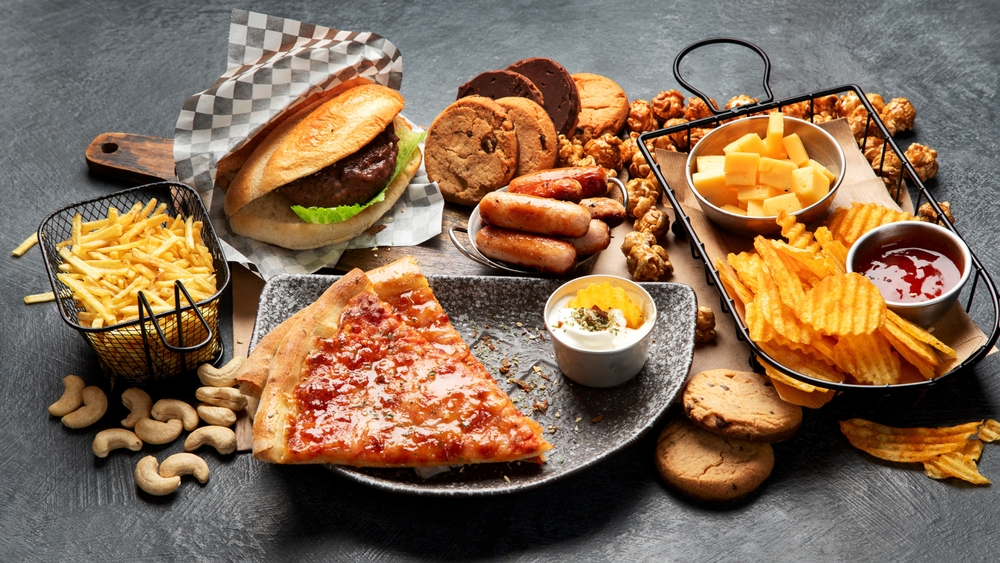
Mice fed a high-fat diet showed signs of memory problems within four days, long before weight gain or diabetes set in.
The Brain’s Memory Hub Under Siege
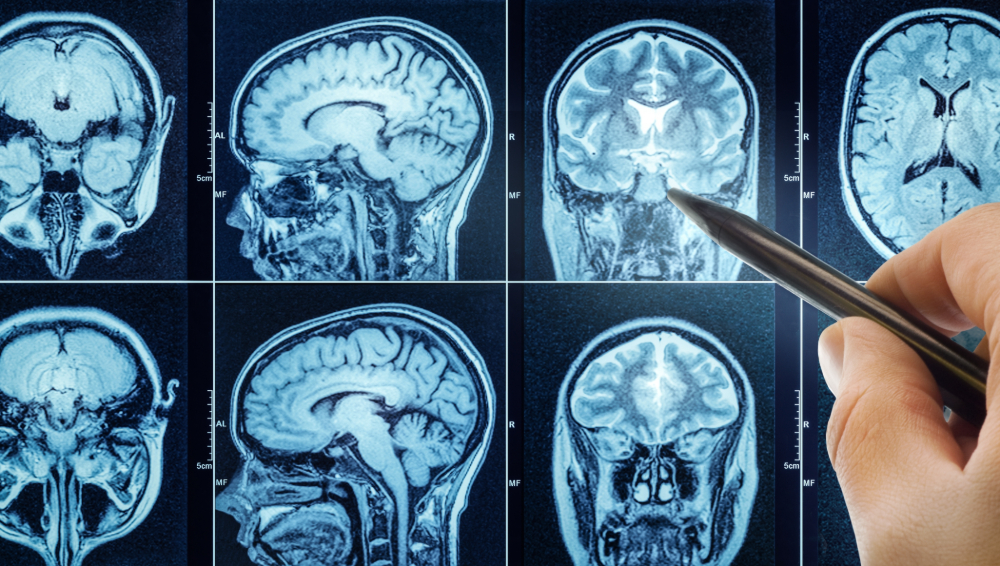
Key neurons in the hippocampus became hyperactive, disturbing the way the brain processes and stores memories.
Junk Food Mimics Western Diet Patterns
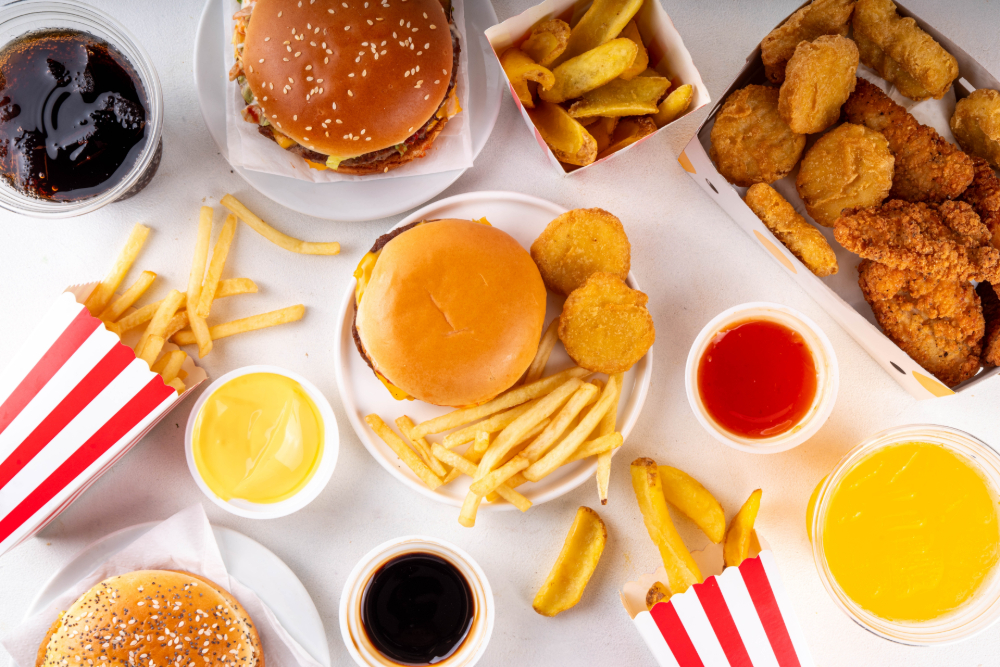
The tested diet resembled everyday fast food staples such as burgers and fries, loaded with saturated fats.
Also read: Cola and Hotdogs Could Be Robbing Hours From Your Life
Glucose Shortage Triggers Chaos

When the brain struggles to access glucose, neurons lose stability, setting off a chain reaction that harms memory.
A Vulnerable Cell Group Identified

Researchers pinpointed CCK interneurons as especially sensitive to dietary changes, making them crucial for memory health.
Protein PKM2 Takes Center Stage

A protein that regulates energy use in cells, PKM2, played a pivotal role in how the brain responded to fatty foods.
Nutrition Matters More Than We Think
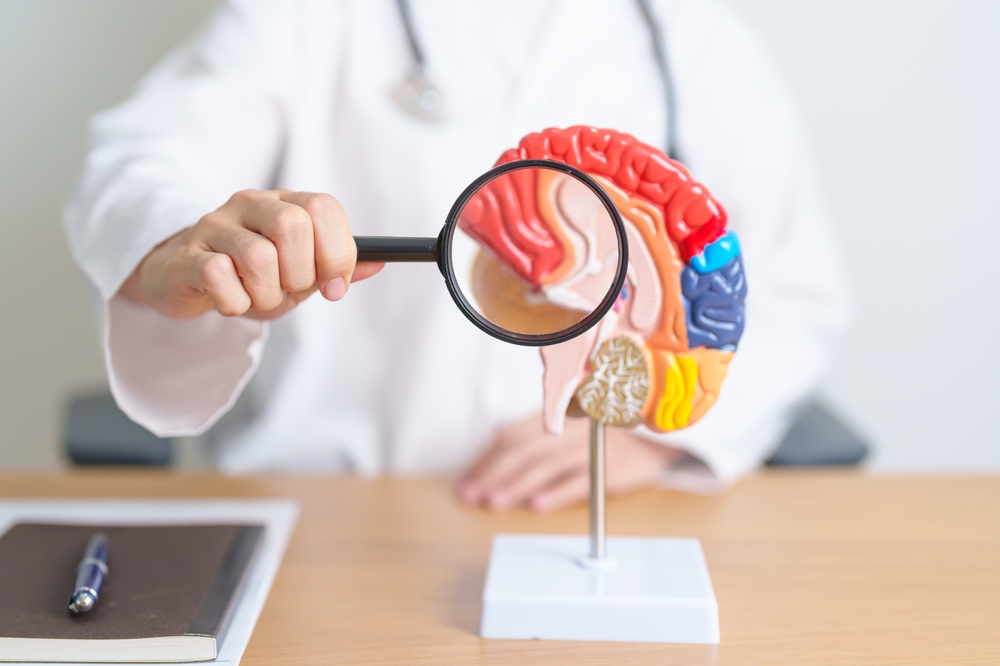
The findings highlight just how quickly diet influences brain health and the delicate balance of memory circuits.
Also read: Simple Blood Test Can Predict Liver Disease 10 Years in Advance
Fasting Restores Balance

Intermittent fasting after a high-fat diet helped reset neuron activity and improved memory performance in mice.
Glucose Calms the Storm

Reintroducing glucose normalized overactive neurons, proving that memory disruption can be reversed with the right intervention.
Implications for Dementia and Alzheimer’s

Long-term exposure to fatty diets may increase the risk of neurodegenerative diseases, including dementia and Alzheimer’s.
Hope for Early Interventions

Researchers believe dietary strategies and medical approaches could protect memory and reduce obesity-linked cognitive decline.
Also read: New Covid Variant Spreading – Experts Warn of a Distinctive Symptom
Next Steps in Research

Future studies will test whether these findings apply to humans and explore lifestyle patterns that stabilize brain glucose.
Artiklen er baseret på informationer fra ScienceDaily
Also read: Dietitian Recommends: Here Are the Best Protein Sources
This article is made and published by Mie Hermansen, who may have used AI in the preparation.