
Beans are an affordable and nutrient-rich food that Real Simple highlights for their health benefits.
Nutrition experts told Real Simple that daily consumption can have a positive impact on the body over time. Here are the key effects based on professional assessments.
Beans are highly nutritious
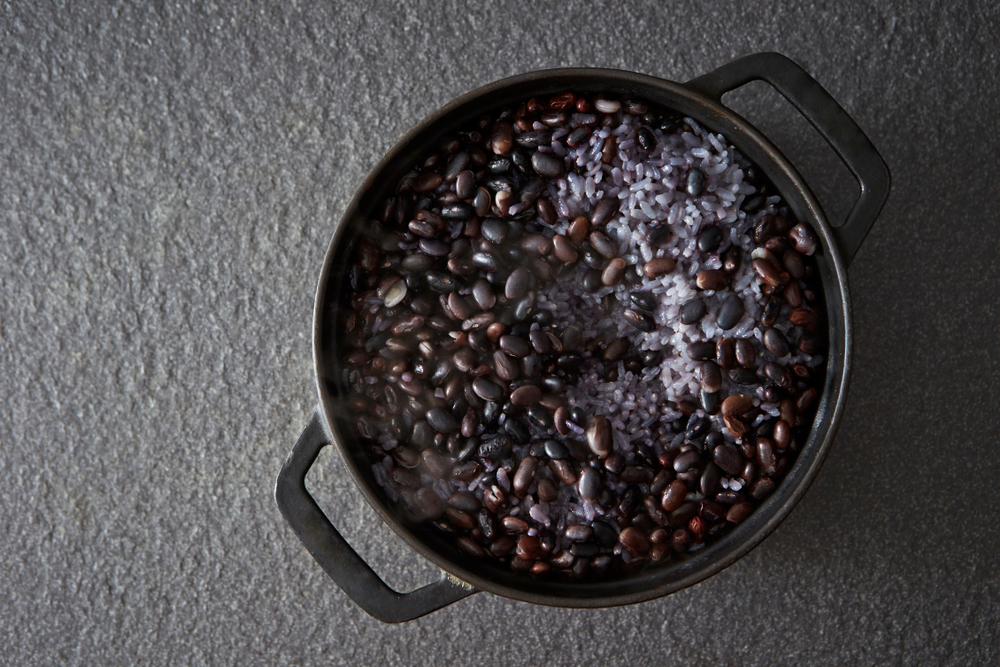
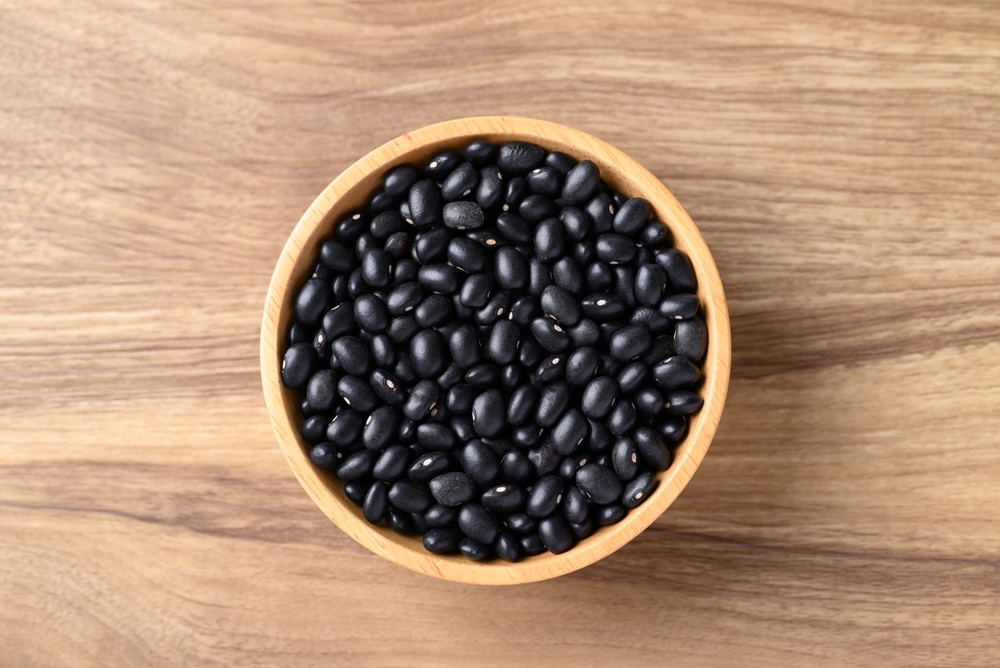
Beans contain a powerful combination of protein, dietary fiber, as well as essential vitamins and minerals that broadly support the body’s functions.
Soluble and insoluble fiber

These two types of fiber contribute to satiety, stable energy levels, and healthy digestion, making beans a versatile food.
Also read: Your diet may be the cause of your skin problems – these are the foods you should eat
Provide electrolytes
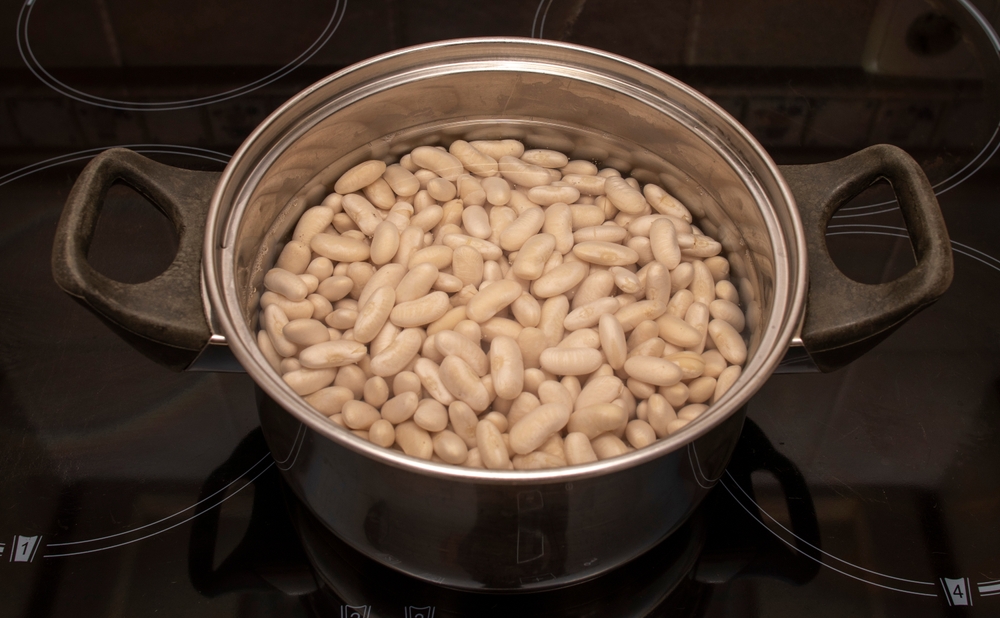
Beans contain magnesium and potassium, which play an important role in muscle function, nerve signaling, and blood pressure regulation.
Plant-based source of iron
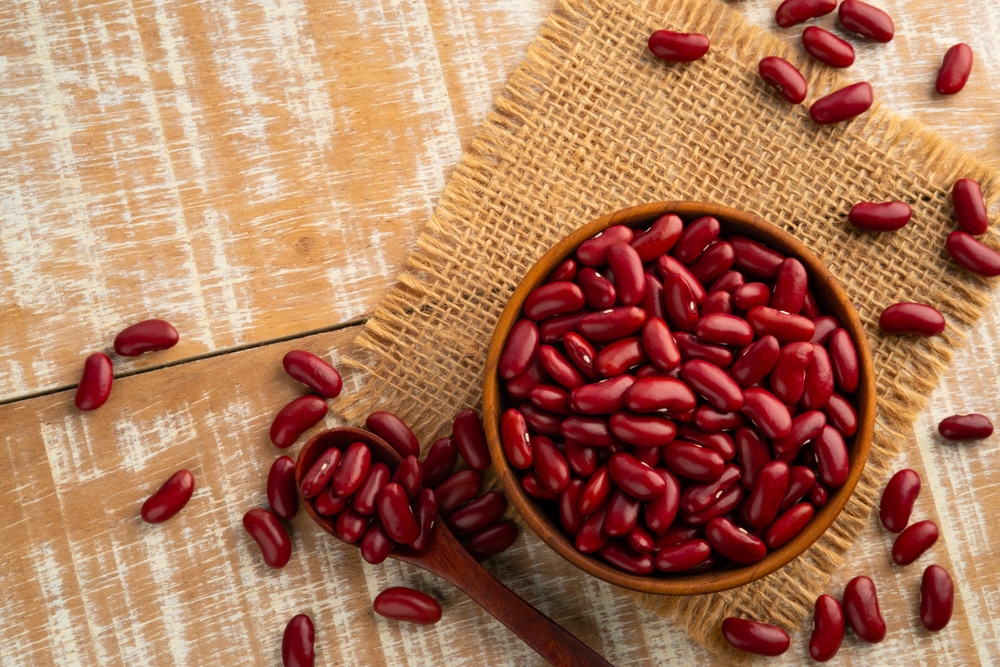
They are a good source of plant-based iron, which is especially relevant for individuals with increased needs.
Improved digestion over time
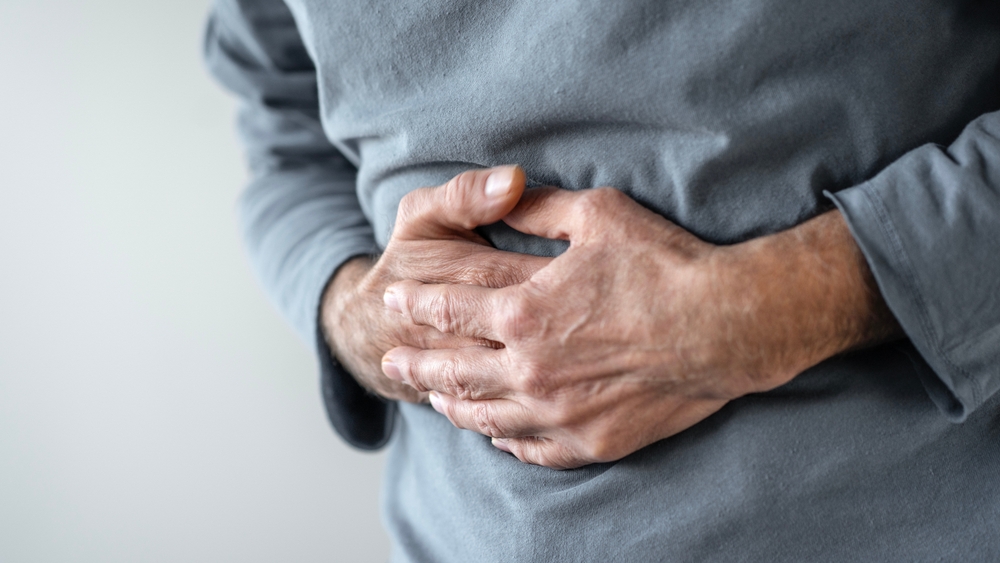
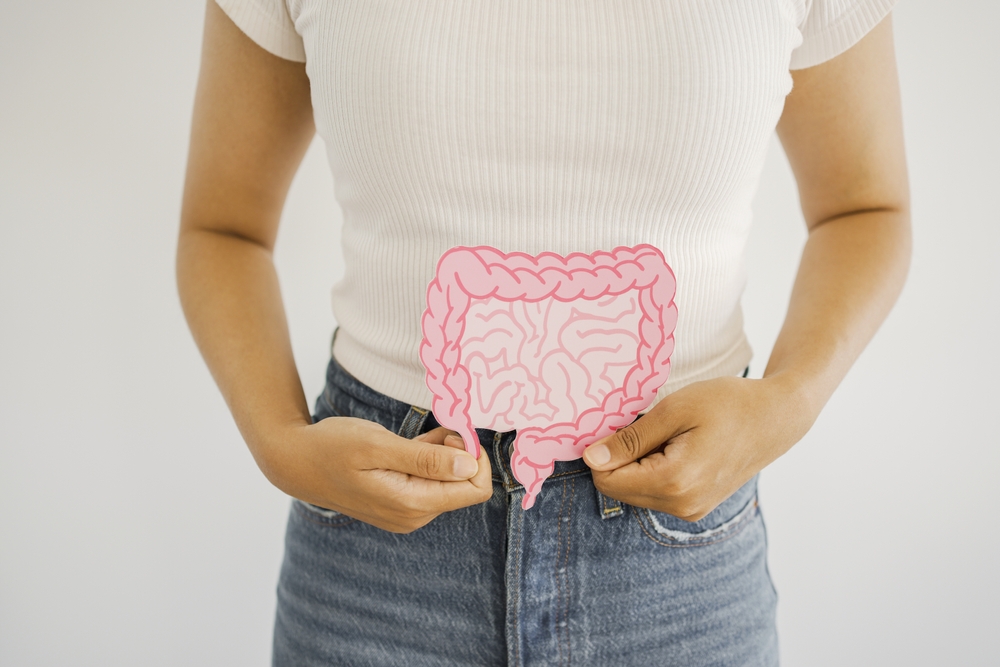
The fibers act as nourishment for beneficial gut bacteria and can gradually create better balance in the gut.
More regular bowel movements

After about a week, one may experience more stable digestion and increased regularity.
Also read: Dietitians recommend buying these vegetables frozen
Increased bloating at first

Some people may experience more gas initially, especially if they are not used to a high-fiber diet.
Gradual adjustment is recommended
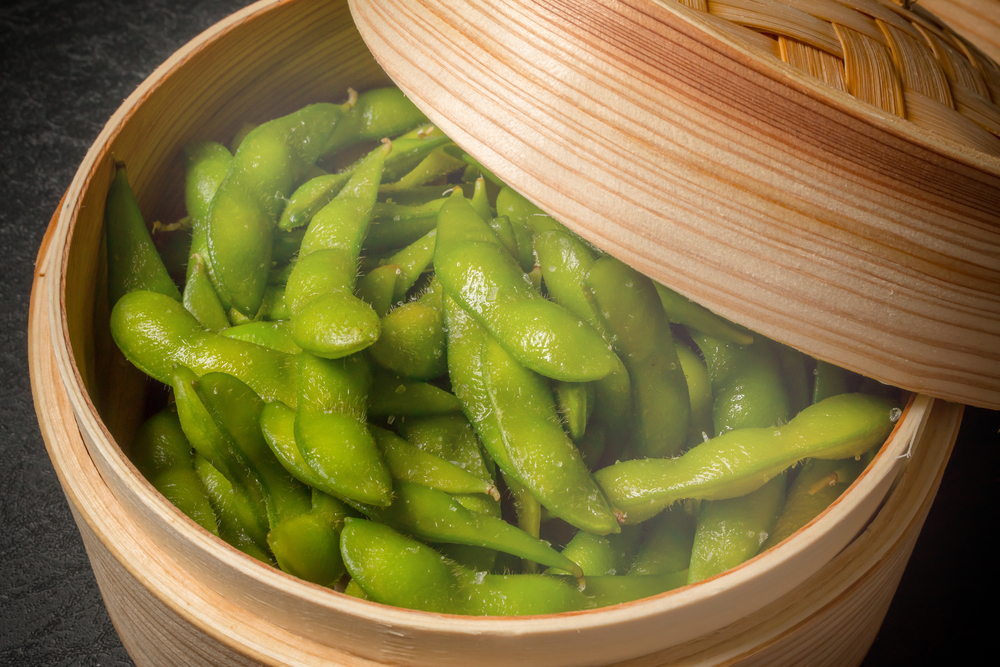
It may be beneficial to start by eating beans a few times a week and slowly increase the amount to avoid discomfort.
Fluids support digestion
A high fluid intake can support the body’s handling of fiber and reduce discomfort.
More stable energy
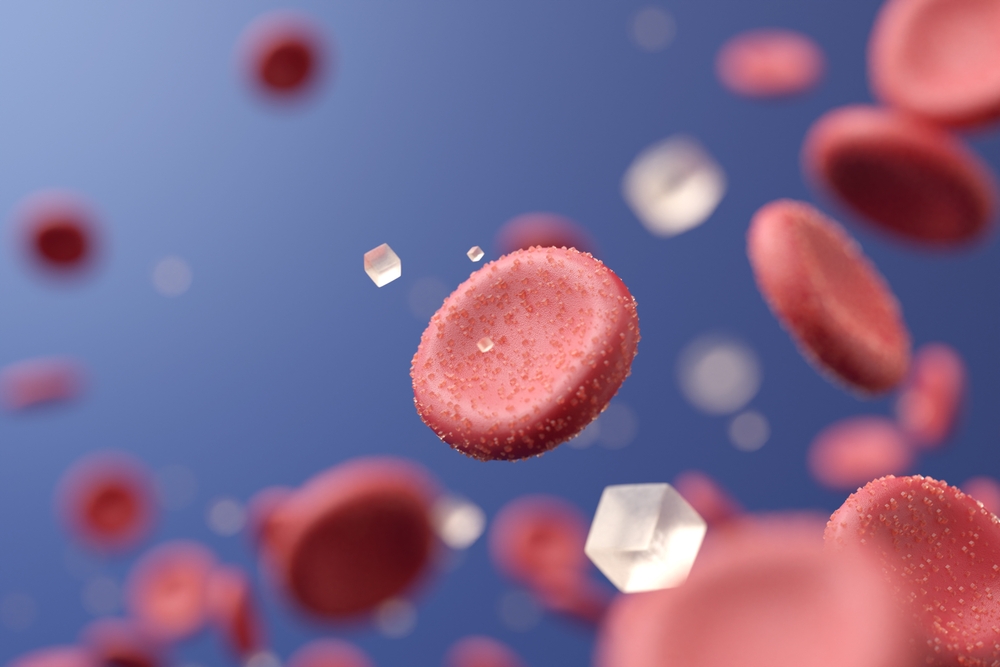
After a few weeks, energy levels may become more stable, as the absorption of sugar into the bloodstream occurs more slowly.
Also read: The body’s internal clock starts before birth, new study shows
Fewer blood sugar fluctuations
The combination of protein and fiber contributes to fewer energy dips throughout the day.
Increased feeling of fullness

Meals with beans often provide a longer-lasting sense of fullness, which can naturally influence portion sizes.
Improved cholesterol levels
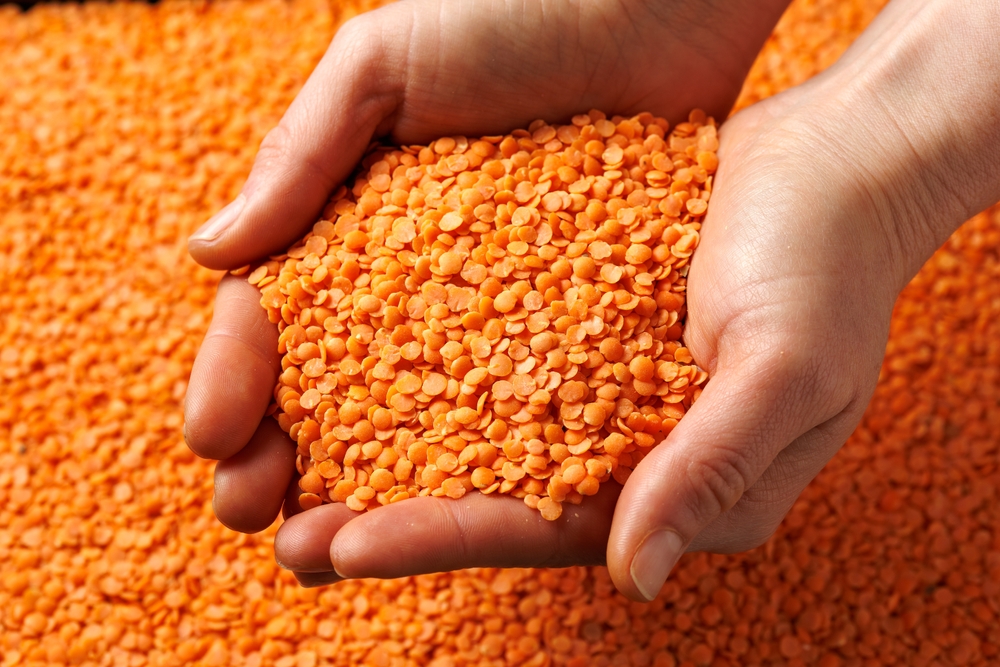
Soluble fiber can help remove cholesterol from the body, supporting heart health over time.
Effects appear over time
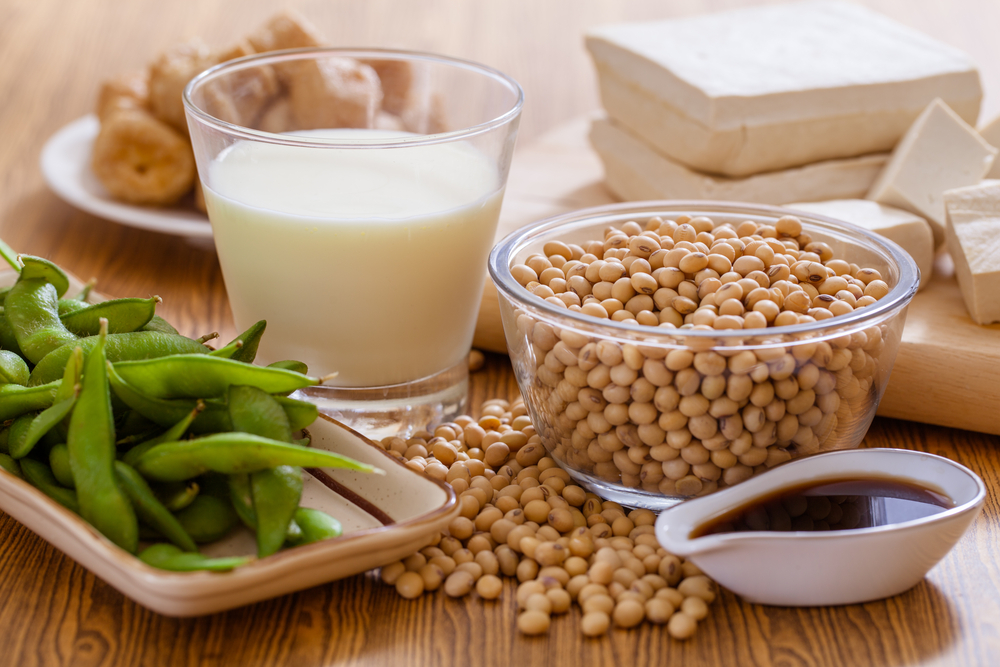
It may take around two months before measurable improvements in cholesterol and metabolism become noticeable.
Also read: Study of 14 million finds life satisfaction reaches lowest point at 49
Reduced inflammation in the body

A healthier gut balance can reduce inflammation, which may affect both overall well-being and the appearance of the skin.
Possible improvement in skin

Although beans do not directly affect the skin, improved gut function may lead to a more even complexion.
Sources: Real Simple.
Also read: Types of bread that can support healthy blood pressure
This article is made and published by Ida-Marie Palm Varbæk, who may have used AI in the preparation.