
Dark spots are common as we age, but why do they appear, and can you really get rid of them? The good news is yes.
Here are some expert-approved ways to prevent and reduce pigmentation for clearer, more even skin.
The two most common types of pigmentation

Not all dark spots are the same. The most common types are solar lentigo and melasma.
Solar lentigo shows up as flat, brown spots, usually on hands, shoulders, and the face.
Also read: These Activities Keep the Brain Young Throughout Life
Melasma appears as dark patches, often on the forehead, cheeks, or upper lip. It’s hormone-related and harder to treat.
The sun is your biggest enemy

Long-term sun exposure is the number one cause of pigmentation. UV rays disrupt pigment-producing cells in the skin, making them overproduce melanin unevenly.
That’s why sun-exposed areas like the face, neck, and hands are most affected.
Hormones can trigger melasma

Hormonal changes from pregnancy or birth control can trigger melasma, a type of pigmentation that appears in patches.
Also read: Should You Use Vaseline On Your Face? Experts weigh in
The female hormones estrogen and progesterone stimulate pigment cells when the skin is exposed to sun - making sunscreen even more crucial.
Some people are more at risk than others

People with fair or sensitive skin, those over 40, frequent sunbathers, and individuals with a family history of pigmentation are more prone to dark spots.
Pregnant women or those using hormonal contraception are also at increased risk.
Dark spots are usually harmless

Most pigmentation is harmless and purely cosmetic.
Also read: These 5 zodiac signs might make the best grandmothers
But if a spot changes color, becomes raised, itchy, bleeds, or develops a sore, see a doctor right away. These changes can be early signs of skin cancer.
Try chemical peels for a fresh start
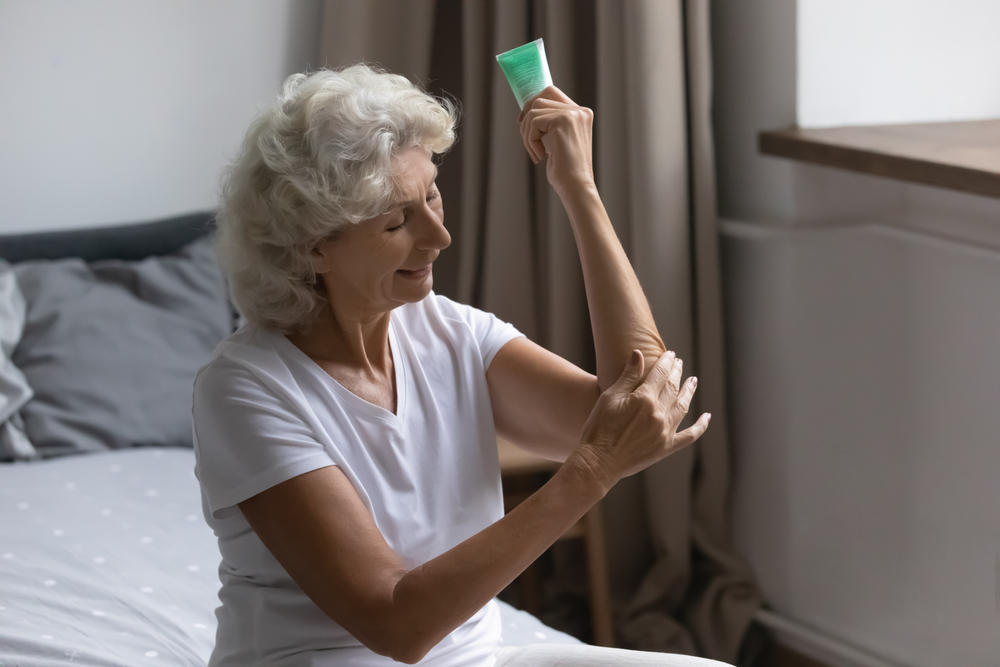
Chemical peels using glycolic or salicylic acid can remove the top skin layer and help even out discoloration.
The skin may feel tight and peel afterward, but results can be noticeable. Always consult a dermatologist before starting.
IPL light treatment works on sun-induced spots
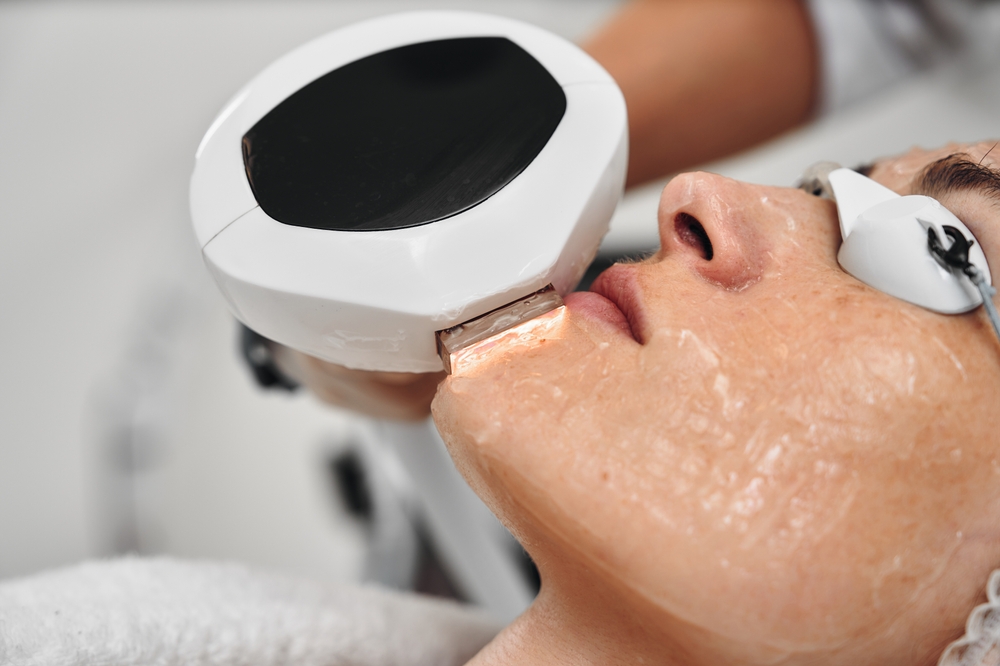
Intense Pulsed Light (IPL) therapy uses bursts of light energy to target and break down pigment cells.
Also read: 10 healthy drinks to help you drop fat and boost your metabolism
It’s especially effective on sun-induced spots like solar lentigo. Treated spots usually flake off like scabs after about a week.
Bleaching creams can lighten pigmentation
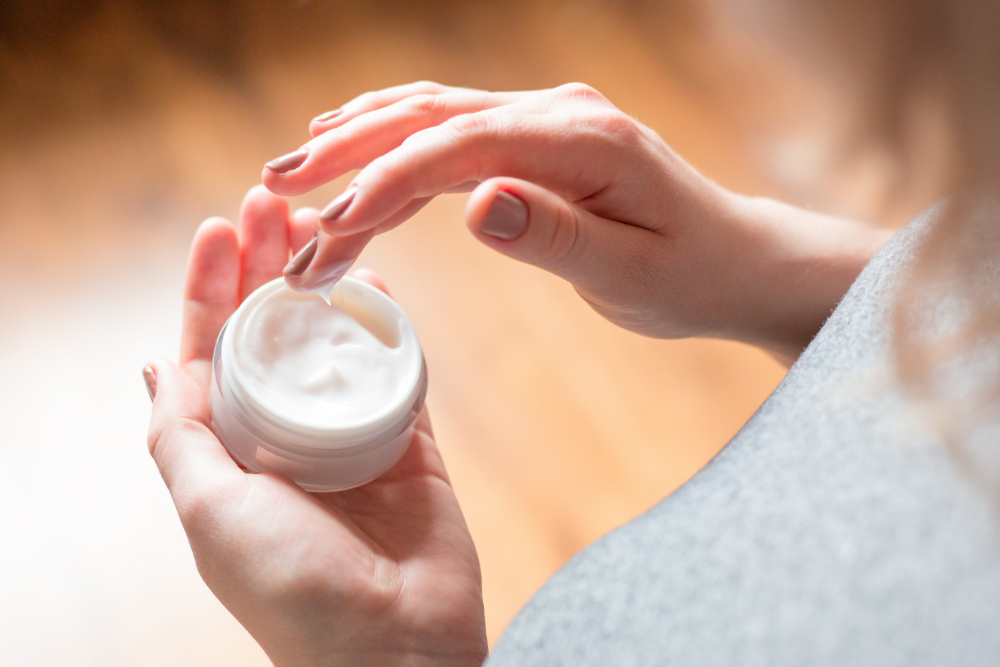
Prescription creams containing cysteamine can significantly reduce pigmentation over time.
Clinical studies show up to a 65 % reduction after 16 weeks. Results vary, and patience is required, but it's a proven non-invasive option.
Deeper pigmentation may require medication

For stubborn melasma that lies deep in the skin, oral medication like tranexamic acid may help.
Also read: 5 medications you should avoid taking with magnesium supplements
It reduces pigment production and transfer but should only be used under medical supervision due to potential side effects.
Prevention is better than cure

The best way to avoid dark spots is to prevent them from forming in the first place.
Wear SPF 30 or higher daily, even on cloudy days. Stay in the shade between 12–3 PM, cover up with hats and clothing, and avoid sunbeds.
Prevention beats any treatment.
Artiklen er baseret på informationer fra iForm.dk.
This article is made and published by Ida-Marie Palm Varbæk, who may have used AI in the preparation.