
For years, fibromyalgia sufferers were told their pain was all in their heads. Now, new research points to a surprising suspect — not in the brain, but in the gut. This discovery could revolutionize how we treat one of the most misunderstood conditions of our time.
Fibromyalgia: A Misjudged Mystery

For decades, patients with fibromyalgia have faced skepticism and stigma. Despite widespread pain and fatigue, their condition was often dismissed as psychological. But science is now catching up.
Gut Bacteria Take Center Stage

Scientists have uncovered significant differences in the gut microbiota of women with fibromyalgia compared to healthy individuals. These microbial imbalances may hold the key to understanding the illness.
Mice Inherit Human Pain
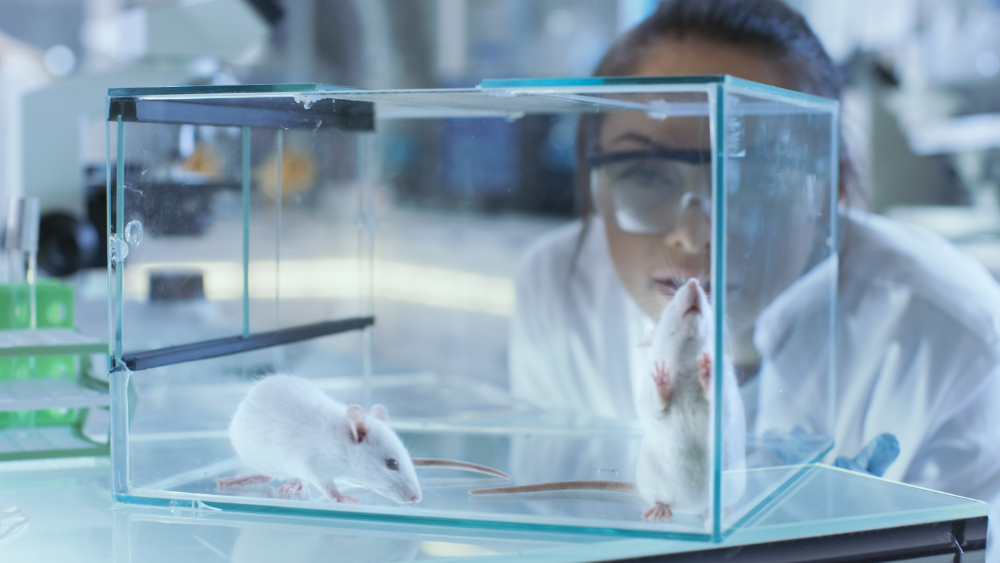
In a groundbreaking study, researchers transferred gut bacteria from fibromyalgia patients to healthy lab mice. The results were as unexpected as they were compelling.
Pain Reactions Appear in Animals

Shortly after the bacterial transfer, the mice began to show classic fibromyalgia symptoms: heightened sensitivity to touch, heat, and cold, as well as spontaneous pain and changes in skin nerve fibers.
Symptoms Lasted for Months

The pain reactions weren’t short-lived. The animals displayed persistent symptoms for at least four months — a striking parallel to the chronic nature of fibromyalgia in humans.
Fecal Transplants Offer Hope

In a follow-up study, 14 women with severe fibromyalgia received microbiota transplants from healthy female donors. The impact on their symptoms was remarkable.
Patients Reported Major Improvements

After the transplant, the women experienced significant relief: less pain, better sleep, and increased energy — all without traditional medication.
The Studies Have Limits

While promising, the studies were small in scale and lacked placebo-controlled, double-blind setups. Furthermore, all participants were women, limiting broader conclusions.
Next Step: Identify the Key Microbes
Researchers now aim to pinpoint the specific bacterial strains that trigger or relieve symptoms. Targeting these microbes could open the door to precise, customized therapies.
From the Gut to the Future of Medicine

The idea of treating pain with gut microbes might seem strange today — but in the future, it could become a standard approach for chronic pain syndromes like fibromyalgia.
This article is based on reporting from Illustreret Videnskab
This article is made and published by Mie Hermansen, who may have used AI in the preparation.