
Weight loss advice is everywhere – high-protein breakfasts, low-carb diets, calorie tracking.
But according to a registered dietitian, Lisa Valente, there’s one key nutrient that most people ignore – and it could make all the difference.
Weight loss plans

While protein, carbs, and fat steal the spotlight in most weight loss plans, fiber often goes unnoticed – despite its powerful effects on appetite, digestion, and metabolic health.
Most people don’t get nearly enough
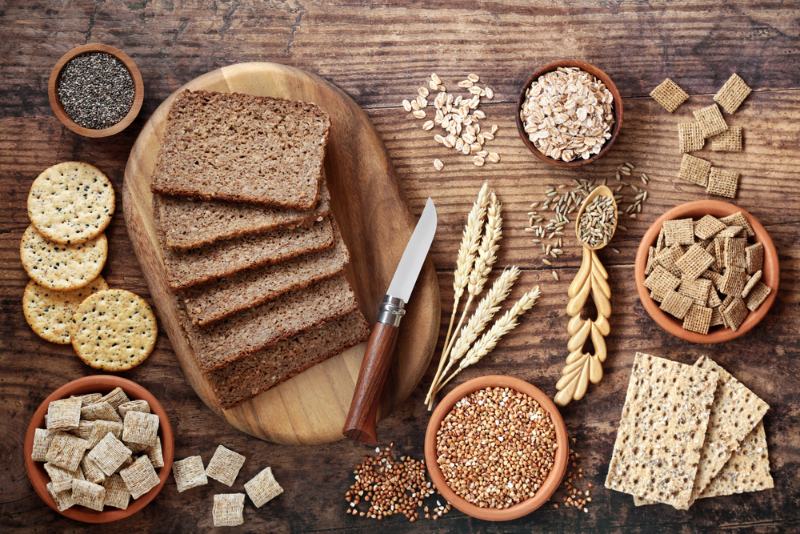
Only about 5 % of Americans meet the daily recommended intake of fiber – that’s 34 grams for men and 28 grams for women.
The rest are missing out on a major health opportunity.
It boosts insulin sensitivity
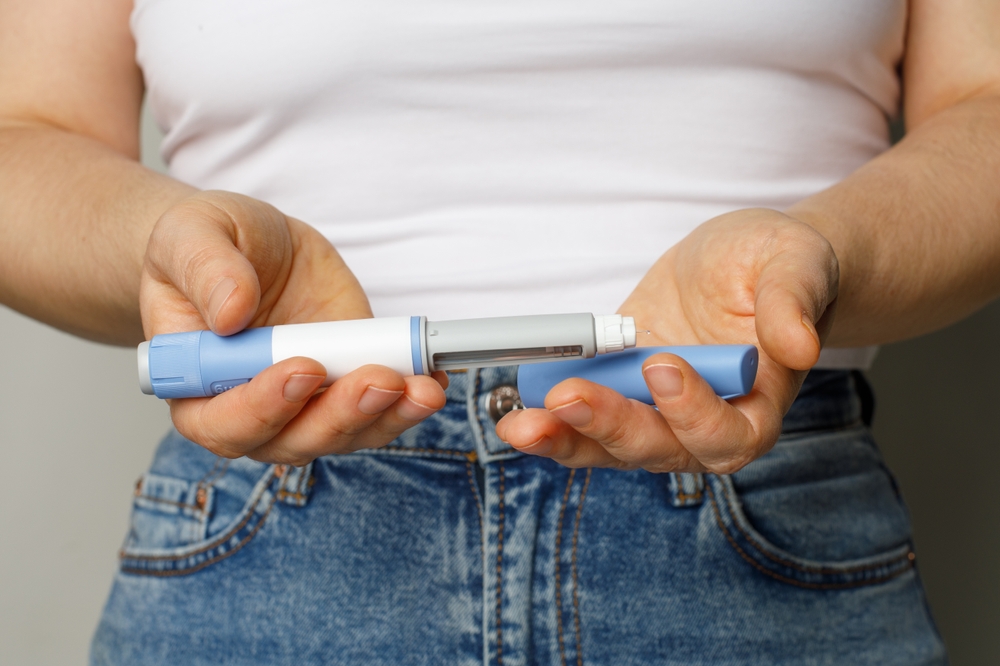
Newer research shows that fiber may help the body respond better to insulin, making it especially valuable for people managing blood sugar or trying to avoid type 2 diabetes.
Two types of fiber
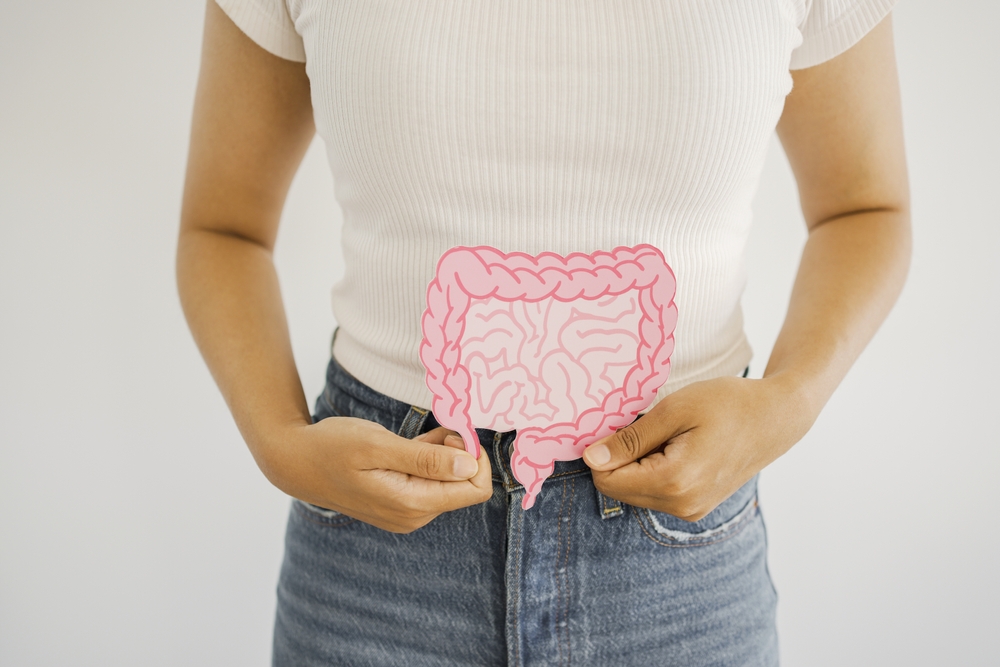
There are soluble and insoluble forms of fiber. Soluble helps with cholesterol and blood sugar, while insoluble aids digestion and keeps things moving in your gut.
Could it be nature’s Ozempic?
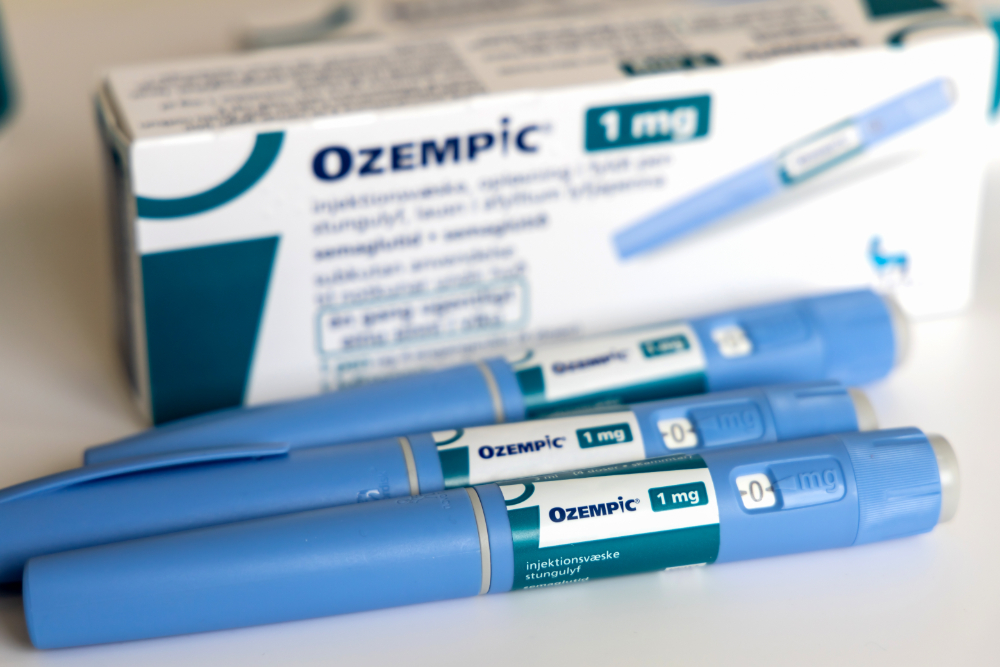
Some are calling it a natural alternative to popular weight loss drugs. It helps you feel fuller, eat less, and stay satisfied – all without prescriptions or side effects.
Supplements aren’t the full picture
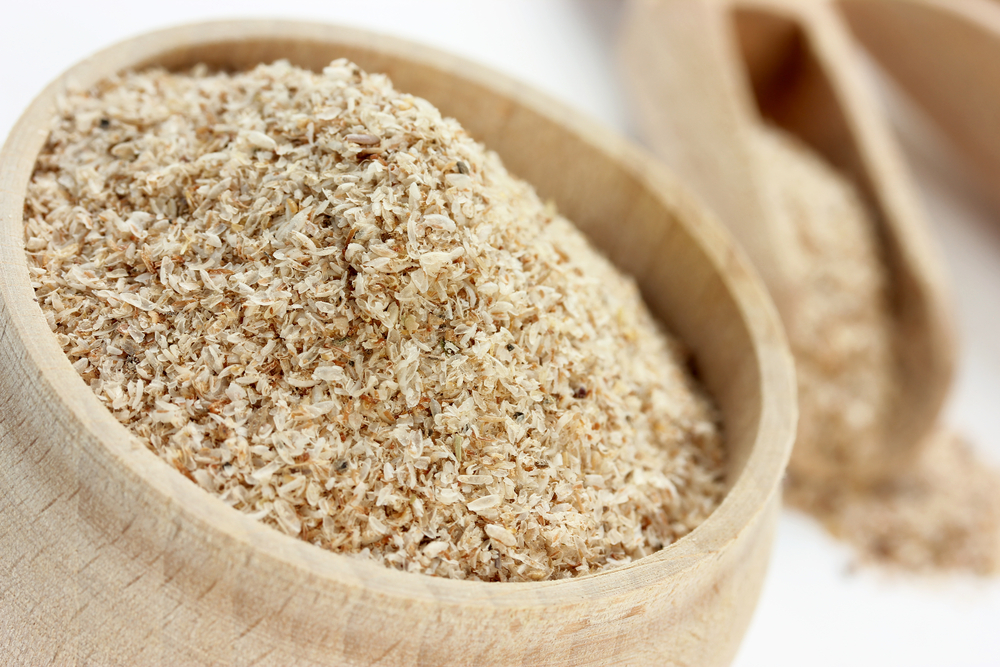
While supplements like psyllium husk can help, whole foods offer added benefits like antioxidants, vitamins, and more diverse nutrients your body needs.
Frozen berries pack a punch
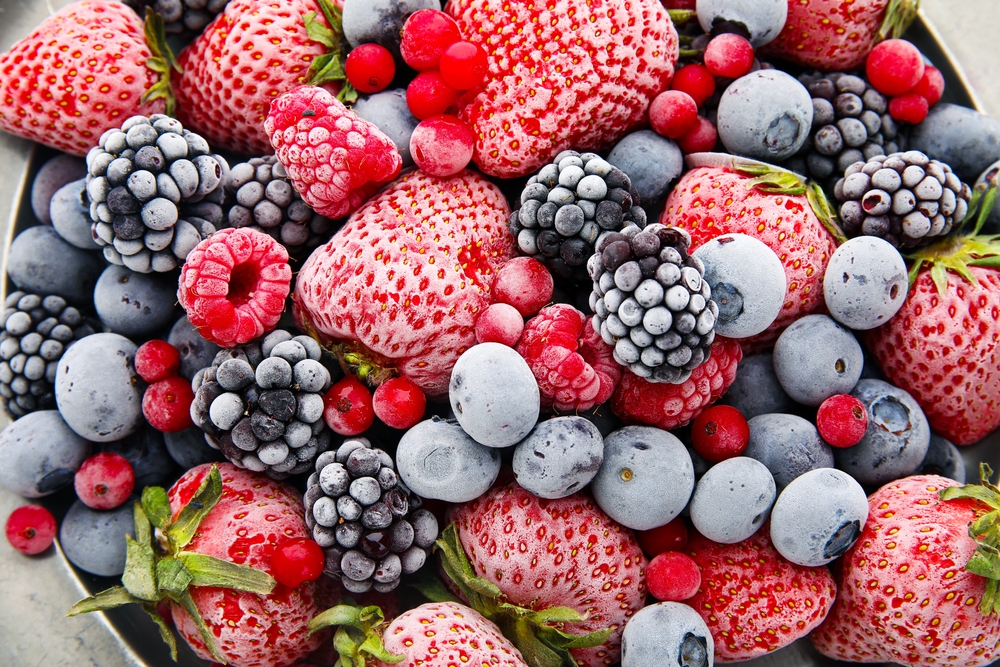
Registered dietitian Lisa Valente swears by frozen berries — they often have more of this nutrient than fresh ones, are cheaper, and don’t spoil quickly.
Toss them into smoothies, oatmeal, or yogurt.
Whole wheat pasta wins over brown rice

Surprisingly, brown rice only has one more gram of this nutrient than white rice.
Whole wheat pasta, however, is significantly richer and makes a perfect base for nutrient-packed dinners.
Chia seeds are tiny but mighty
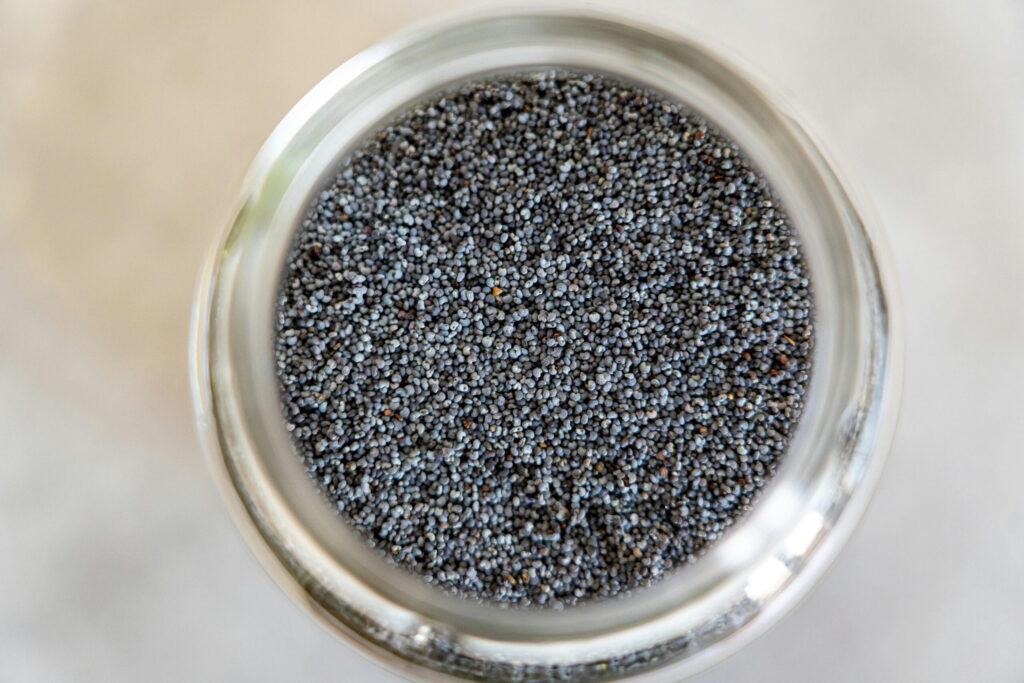
Chia seeds are loaded with fiber, plus omega-3s and some protein. Sprinkle them on breakfast or make a chia pudding for a satisfying, nutrient-dense snack.
It protects your heart

Beyond weight loss, fiber helps lower LDL cholesterol and blood pressure – both critical in reducing the risk of heart disease.
It’s a simple way to support long-term cardiovascular health.
This article is based on information from Medical News Today.
This article is made and published by Ida-Marie Palm Varbæk, who may have used AI in the preparation.