
TBE (tick-borne encephalitis) is a serious but rare viral infection transmitted through tick bites that can affect the brain.
Here is an overview of what TBE is and how you can protect yourself, according to Netdoktor.
What is TBE?
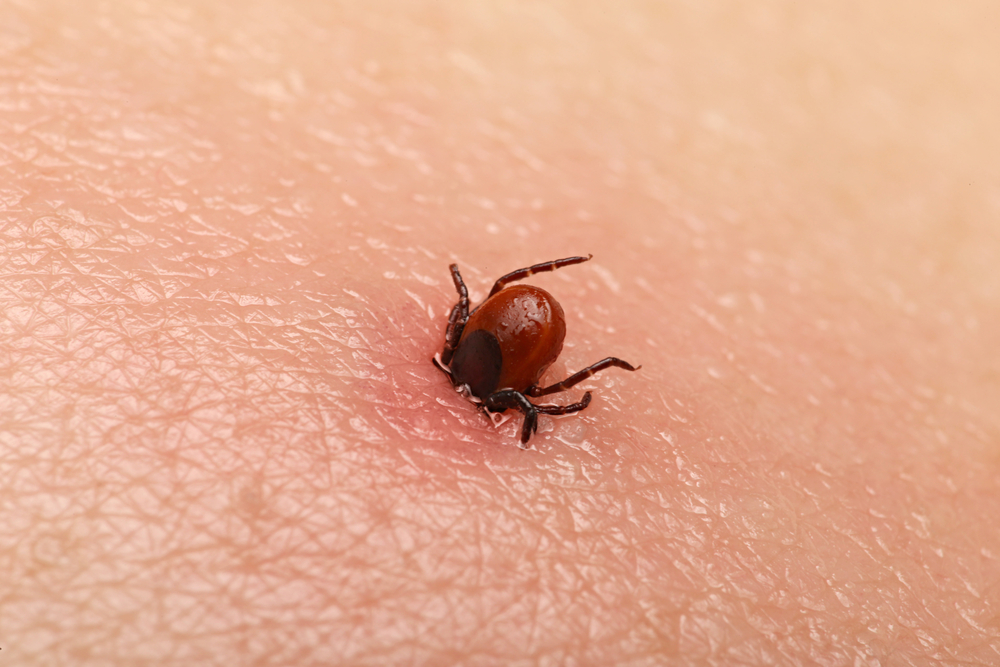
TBE is a viral infection that causes inflammation of the brain and the meninges.
It is transmitted through bites from infected ticks, which themselves acquire the virus from animals such as mice, deer, and birds.
Also read: Rising acne cases seen among people in their 20s
Where is TBE found?
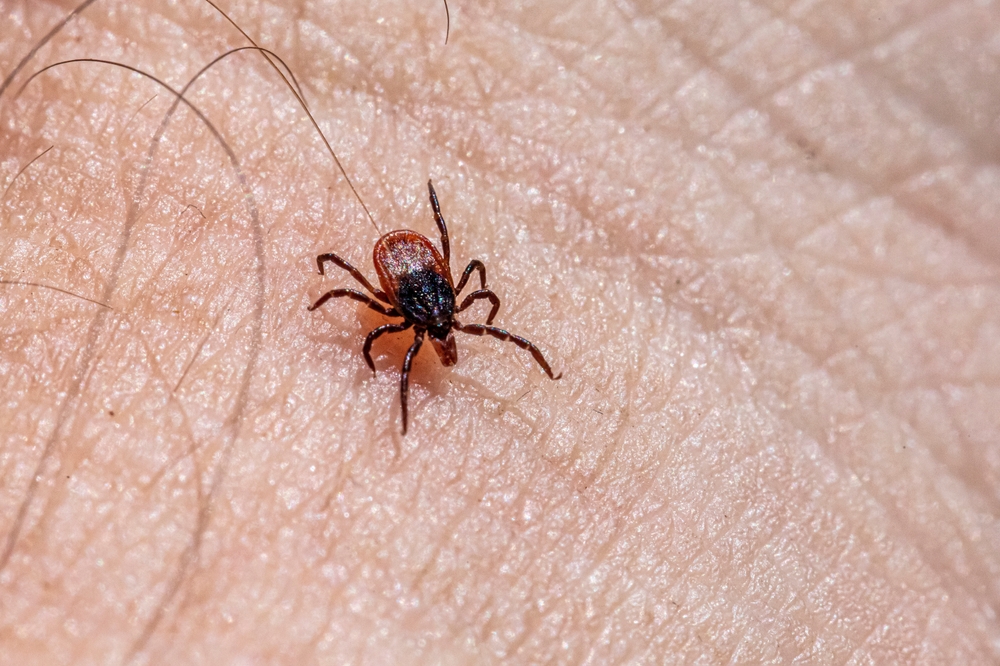
The disease occurs in large parts of Central and Northern Europe.
When is the risk highest?

TBE typically occurs from March to November, with the highest number of cases during the summer months.
Ticks thrive better in warmer climates, which has increased their spread in Northern Europe.
Risk of infection
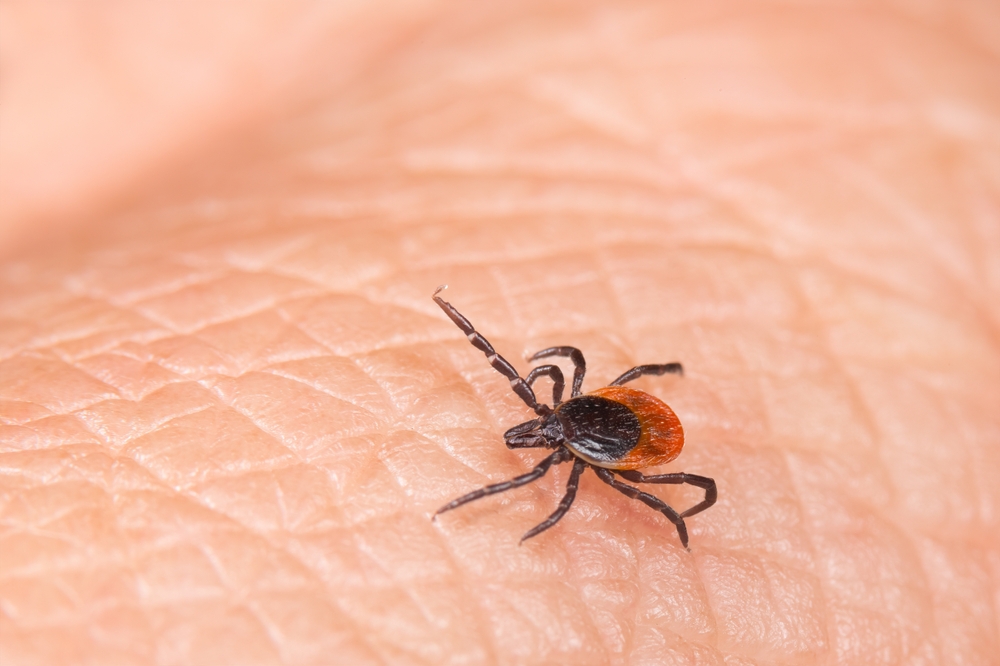
The risk depends on location, as the proportion of infected ticks varies between 0.1 and 5 percent across Europe.
Also read: New study: Common IBS medication may be linked to increased mortality
How is the diagnosis made?

The diagnosis is made through a blood test that checks for antibodies against the virus. Many patients do not notice the tick bite, making testing necessary.
First phase of the disease

After infection, symptoms typically appear after about a week. The first phase resembles influenza, with fever, headache, muscle pain, and fatigue.
Second phase of the disease

In some patients, the disease progresses after a symptom-free period to affect the nervous system, potentially causing meningitis, encephalitis, or inflammation of nerve tissue.
Who is most severely affected?

Many recover fully, but up to 40 percent of those with encephalitis may experience long-term complications.
Also read: New treatment may nearly double effectiveness against aggressive breast cancer
People over the age of 60 are often more severely affected than children.
Treatment of TBE
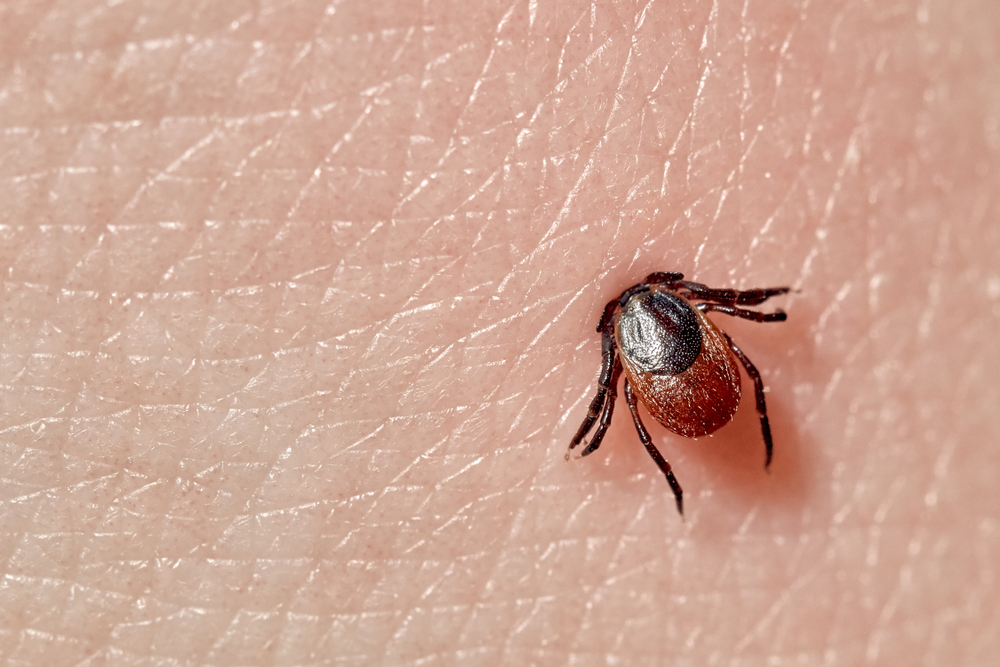
There is no specific treatment once the disease has developed. Prevention is therefore recommended, especially in high-risk areas.
Protection against tick bites

The risk can be reduced by covering the skin with clothing and using insect repellent.
It is also recommended to remove ticks quickly, as transmission can occur shortly after a bite.
Also read: How orange can affect your body if you drink it every day
Vaccination against TBE

The vaccine is given in three doses over time and provides protection for several years.
It is recommended for individuals who stay in high-risk areas or engage in activities with an increased risk of tick bites.
Side effects of vaccination

The vaccine is generally well tolerated but may cause redness, swelling, and fever, especially in children. It provides a high level of protection after the full vaccination course.
Sources: Netdoktor.
Also read: New procedure may help prevent weight regain after Ozempic
This article is made and published by Ida-Marie Palm Varbæk, who may have used AI in the preparation.