
A new obesity drug could change how weight loss is treated. Unlike Wegovy and similar appetite-suppressing drugs, this experimental therapy works by reprogramming the body’s metabolism – raising hopes for lasting results without rebound weight gain.
Beyond Wegovy’s approach
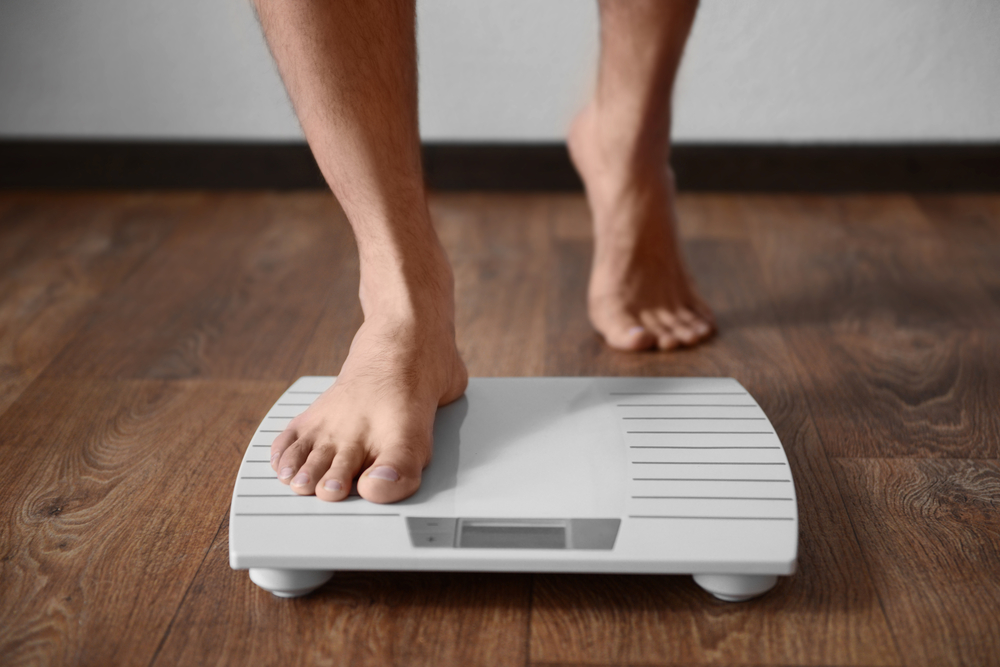
Current GLP-1 drugs such as Wegovy reduce appetite and slow digestion. The new therapy takes a completely different route by targeting the body’s energy balance directly.
Targeting a genetic switch

The drug blocks a small RNA molecule known as miR-22, which influences fat metabolism, energy production, and the way fat tissue is structured in the body.
Tackling the root cause

Instead of making people eat less, the treatment shifts how the body burns fat and uses energy, aiming for a deeper, long-term reset of metabolism.
Also read: This everyday food could be ruining your gums, new research warns
Protecting muscles, not just losing weight

One drawback of fast weight loss is the loss of lean muscle. Early tests suggest the new drug primarily reduces fat mass while preserving muscle tissue.
Strong results in animal trials

In studies with mice and monkeys, the drug led to significant fat loss and, crucially, the animals did not regain the weight after treatment stopped.
Combination therapy shows promise
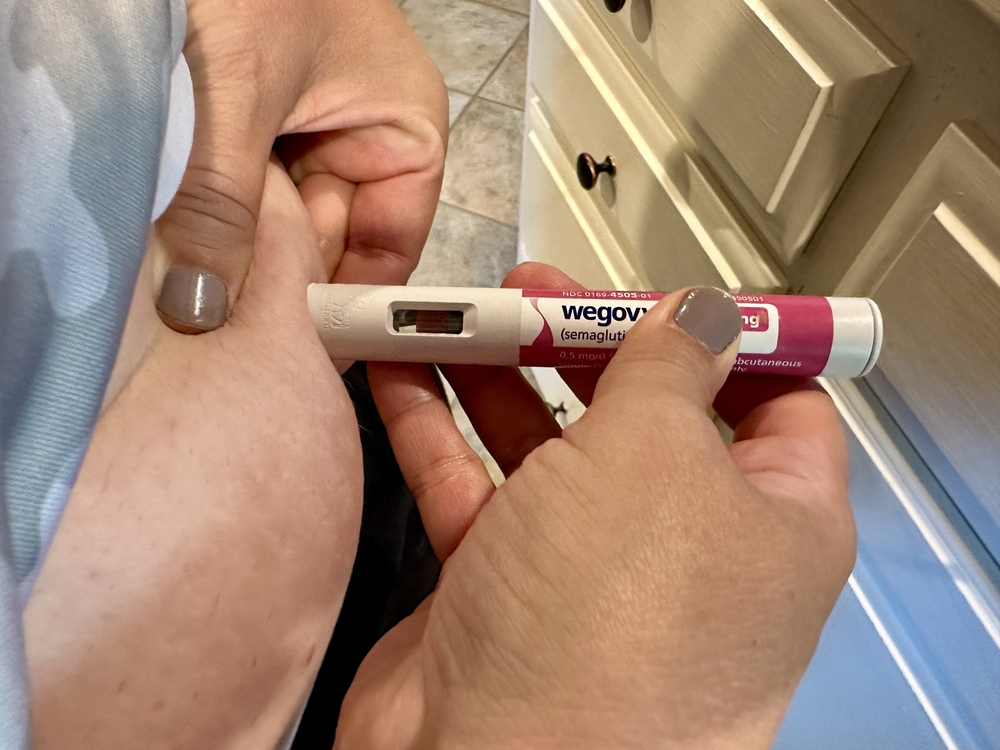
When combined with Wegovy-like drugs, results were even more impressive – and the weight stayed off after stopping the GLP-1 treatment.
No major side effects so far

Tests in animals have shown no serious safety issues, raising hopes for a well-tolerated option in humans.
Also read: Make Fall Unforgettable with These Romantic Date Ideas
Powering up the mitochondria

The treatment boosts the activity of mitochondria – the cells’ “batteries” – and converts white fat that stores energy into brown fat that burns it.
Human trials underway

A first-in-human trial has begun in the Netherlands with up to 80 participants testing different doses. Initial results are expected in early 2026.
Towards lasting weight loss

If successful, this could be the first of a new class of medicines designed to provide more durable weight loss and improved metabolic health.
This article is based on information from News Medical
Also read: Experts Recommend This Exercise to Prevent Falls as You Age
Also read: How Your Sleep Position Affects Your Body and Health