
Most people know that what you eat affects your heart, weight, or blood sugar. But your plate might also influence your next trip to the dentist. A new UK study suggests that certain foods can reduce gum inflammation, while others can make things worse.
Mediterranean diet linked to healthier gums
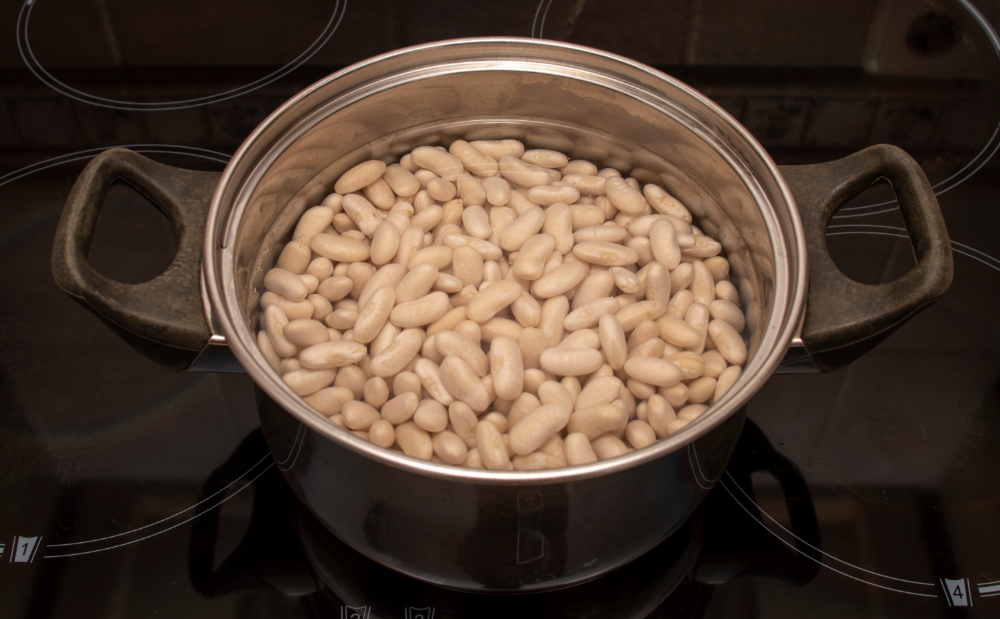
Participants who followed a Mediterranean-style eating pattern, rich in vegetables, beans, fish, and olive oil, showed significantly lower levels of gum inflammation.
Red meat tied to gum problems

Those who consumed more red meat were more likely to suffer from inflamed gums. The association remained even when adjusting for lifestyle and age.
Inflammation is the first step toward gum disease
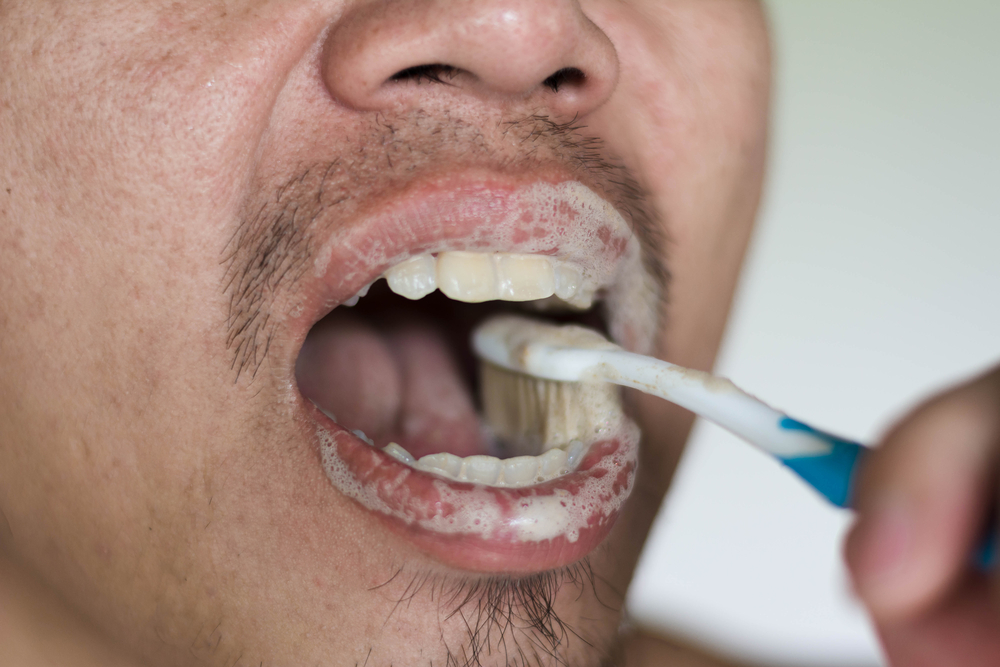
Gum inflammation may seem harmless at first, but it is the earliest stage of periodontal disease, which can eventually cause tooth loss.
Also read: Make Fall Unforgettable with These Romantic Date Ideas
Oral health connected to whole-body health

The study supports previous research showing that gum disease is linked to heart problems and other chronic inflammatory conditions.
Small swaps make a big difference
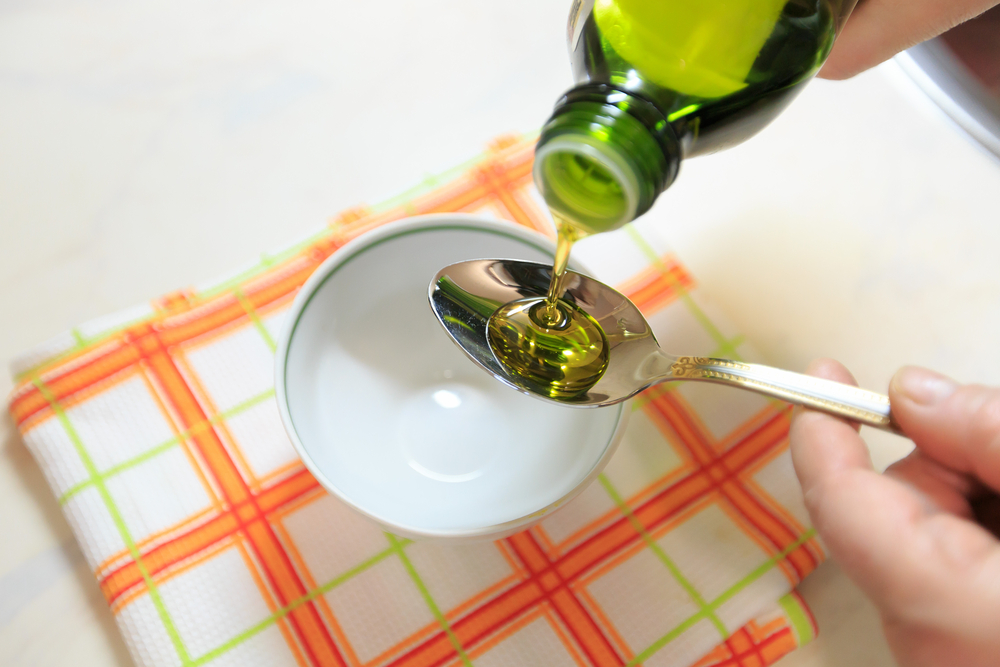
Replacing butter with olive oil or swapping ground beef for lentils can, according to the researchers, positively impact gum health over time.
Fish provides anti-inflammatory power
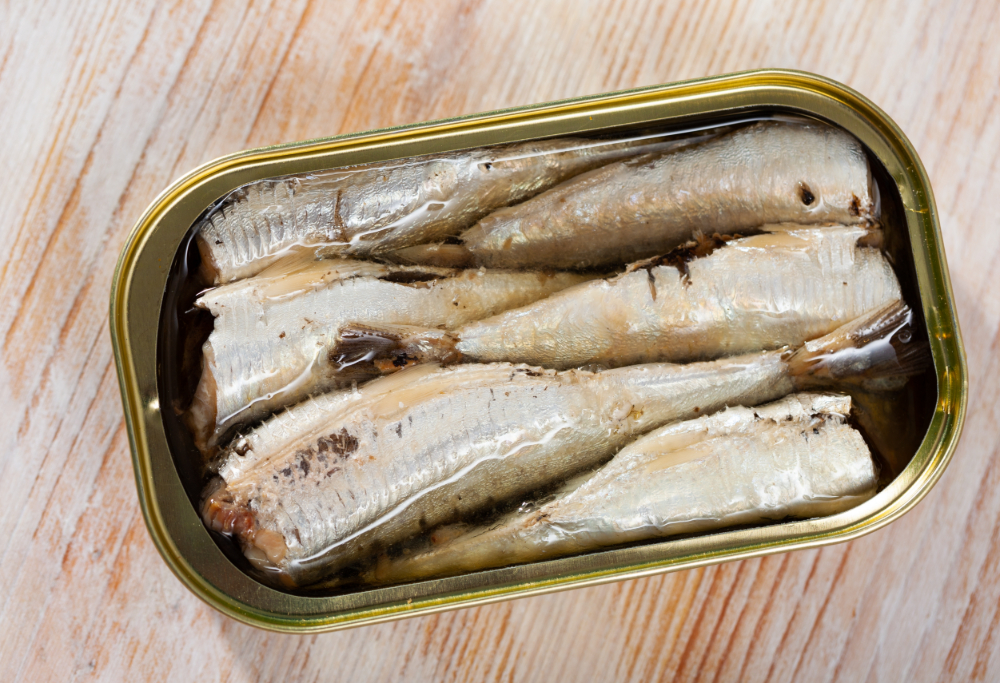
Fatty fish such as salmon and sardines deliver omega-3 fatty acids, which are known to reduce inflammation and were linked to healthier gums in the study.
Leafy greens support strong tissues
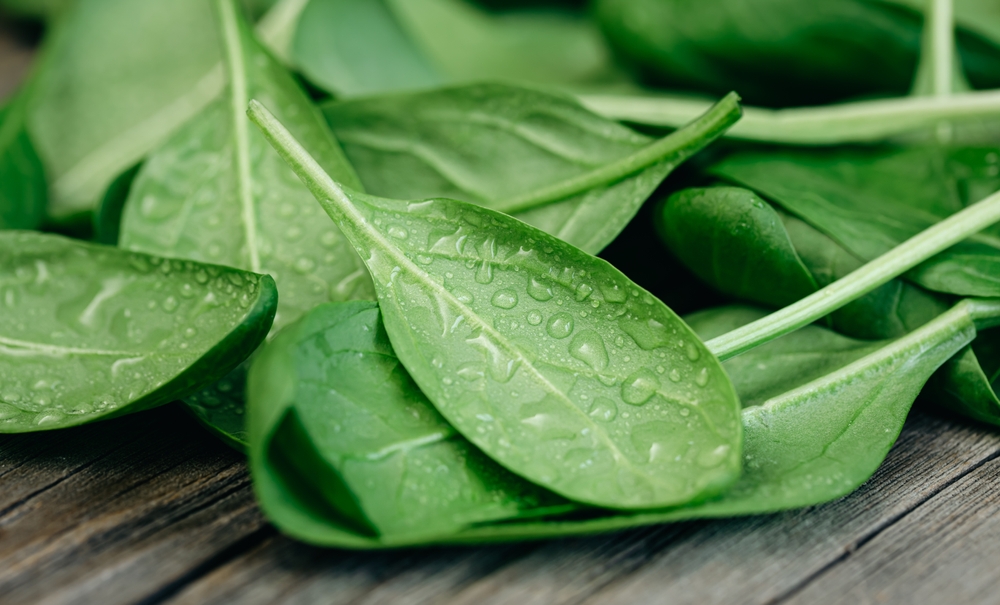
Spinach, kale, and arugula provide fiber and micronutrients that help strengthen oral tissues and improve the body’s defense against infections.
Also read: Experts Recommend This Exercise to Prevent Falls as You Age
Nuts as a healthy snack alternative
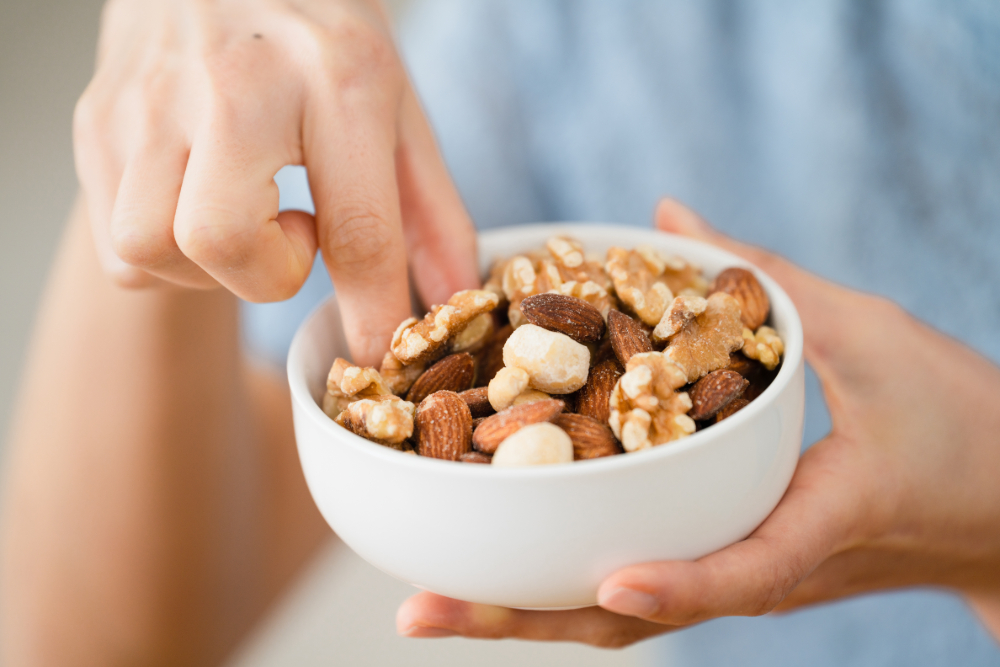
Almonds, walnuts, and hazelnuts not only supply healthy fats but also replace sugary snacks that contribute to poor oral health.
Oral hygiene still matters

Diet alone isn’t enough. Brushing, flossing, and regular dental visits remain the foundation for protecting gums and teeth.
More research is needed

The study included about 200 people, so larger and longer trials are needed. Still, the findings point to one clear message: the same foods that protect your heart also protect your smile.
This article is based on information from EatingWell
Also read: How Your Sleep Position Affects Your Body and Health
Also read: This Simple 20-20-20 Rule Can Save Your Eyes From Screen Fatigue
This article is made and published by Mie Hermansen, who may have used AI in the preparation.