
Food allergy is an allergic reaction to certain foods, but the condition is relatively rare.
Symptoms can range from mild itching in the mouth to severe reactions, and a correct diagnosis often requires thorough medical evaluation, according to Netdoktor.
What is a food allergy?
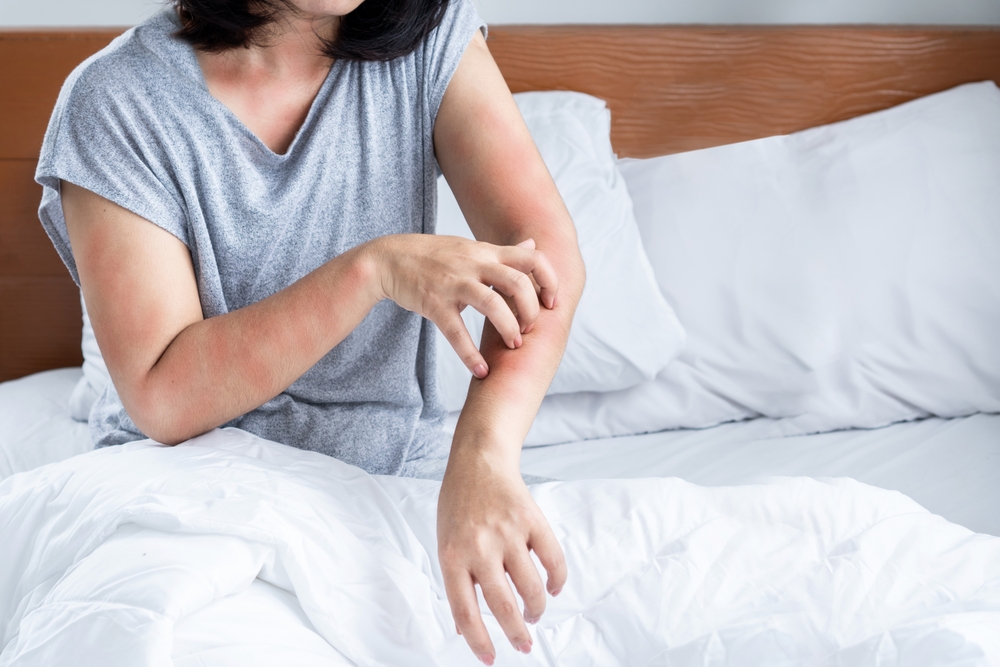
Food allergy is a hypersensitivity reaction in which the body's immune system reacts to substances found in food.
Many people mistakenly believe they have a food allergy even though they have never been tested for it.
Also read: New study reveals undetected heart attacks among thousands in high-risk groups
Food allergy is rare
Only around three percent of young children are affected by true food allergies, and most outgrow the condition during their first years of life.
Among adults, the condition affects fewer than one percent of the population.
Why the allergy develops

When the body is exposed to proteins found in food, the immune system may produce specific antibodies.
Upon later exposure to the same food, these antibodies can trigger an allergic reaction.
Also read: Your circadian rhythm may influence feelings of anxiety and loneliness
Cross-reactivity can cause symptoms

Some reactions are not caused directly by food allergies but by cross-reactivity.
This is often seen in people with pollen allergies who also react to certain fruits, vegetables, or nuts.
A unique allergy to meat

There is a serious form of food allergy that can develop after repeated tick bites.
In such cases, meat from hoofed animals can trigger severe allergic reactions, even in very small amounts.
Also read: Study links low levels of vtamins to chronic fatigue
What are allergens?
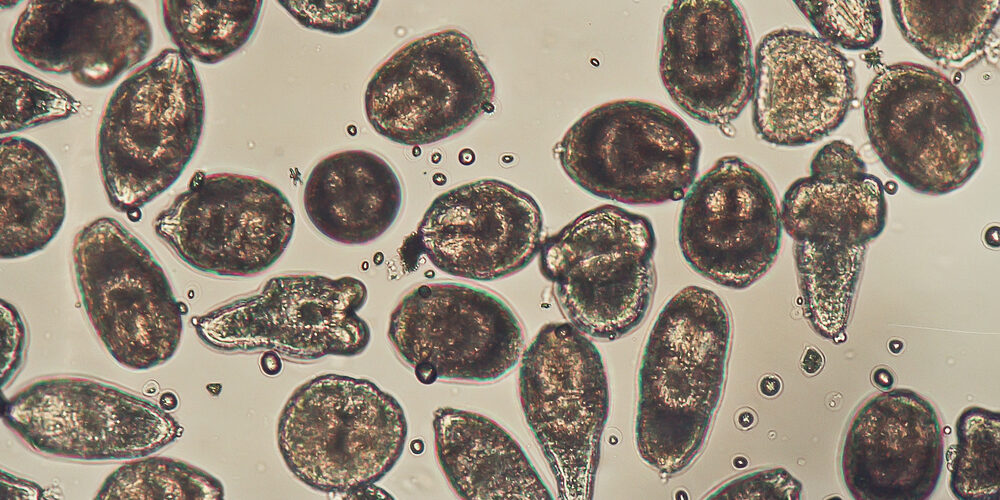
Allergens are small parts of proteins that trigger a response from the immune system.
In allergic individuals, the body produces antibodies and immune cells directed against substances that would normally be harmless.
The most common allergens
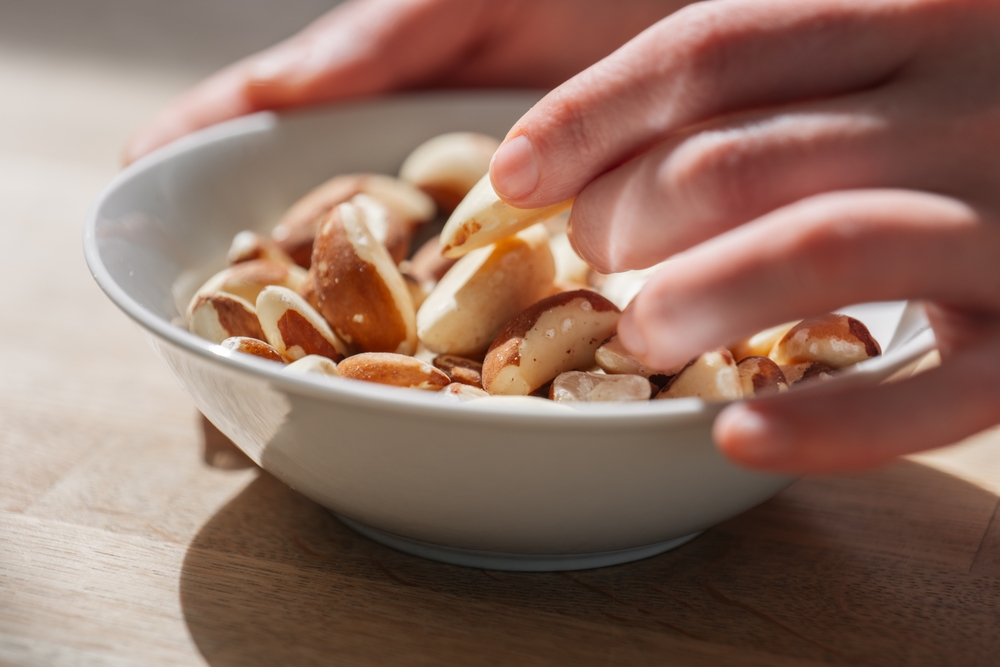
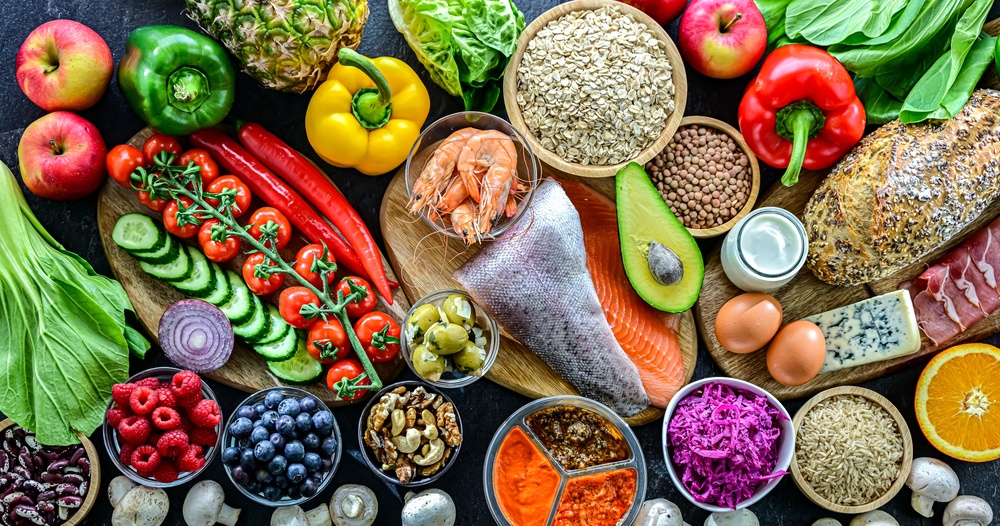
Foods that frequently cause allergic reactions include shellfish, milk, fish, peanuts, wheat, eggs, tree nuts, fresh fruits, and vegetables.
Birch pollen can cause cross-reactions

People who are allergic to birch pollen may also react to hazelnuts, apples, pears, cherries, almonds, plums, kiwi fruit, tomatoes, and carrots.
Also read: What your body goes through during a marathon
Grass pollen can also cross-react

A grass pollen allergy may be associated with reactions to foods such as beans, lentils, green peas, and peanuts.
Typical symptoms of food allergy

Symptoms may appear shortly after eating or several hours later.
They can include itching of the mouth and lips, swelling, stomach pain, diarrhea, hay fever, asthma, or skin rashes.
Severe reactions require immediate help

In rare cases, food allergy can lead to anaphylactic shock accompanied by a dangerous drop in blood pressure.
Also read: Study finds supplement may help people maintain weight loss
This requires immediate treatment with adrenaline and urgent medical attention.
Food allergy and lactose intolerance are not the same
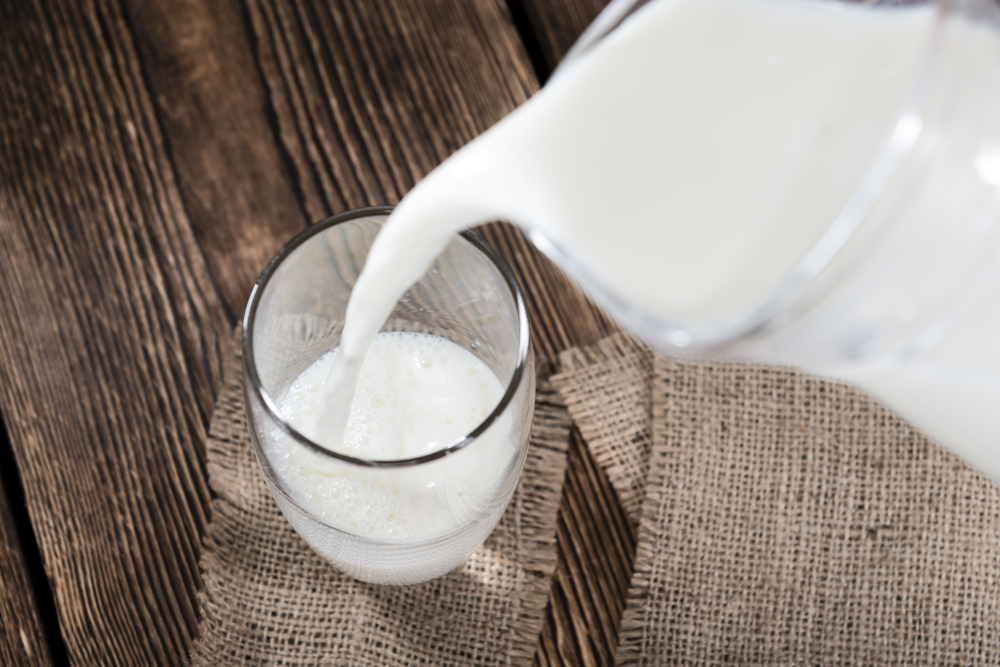
In food allergy, the immune system is involved because the body produces antibodies against specific substances in the food.
In lactose intolerance, symptoms occur because the body lacks the enzyme needed to break down milk sugar.
How the diagnosis is made
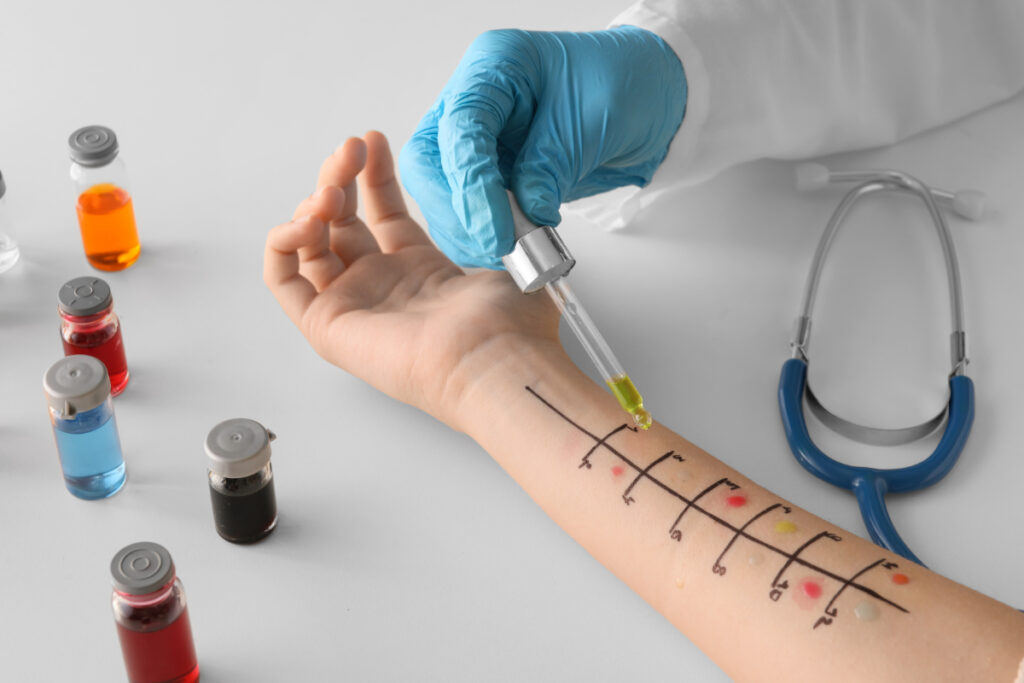
Doctors assess symptoms and rule out other possible causes.
Diagnostic methods may include allergy testing, blood tests, elimination diets, and controlled food challenge tests involving suspected trigger foods.
Malnutrition can be a consequence

Avoiding a wide range of foods without proper guidance can lead to deficiencies in important nutrients.
For this reason, advice from a dietitian may be beneficial.
Avoiding the trigger food is the most important treatment
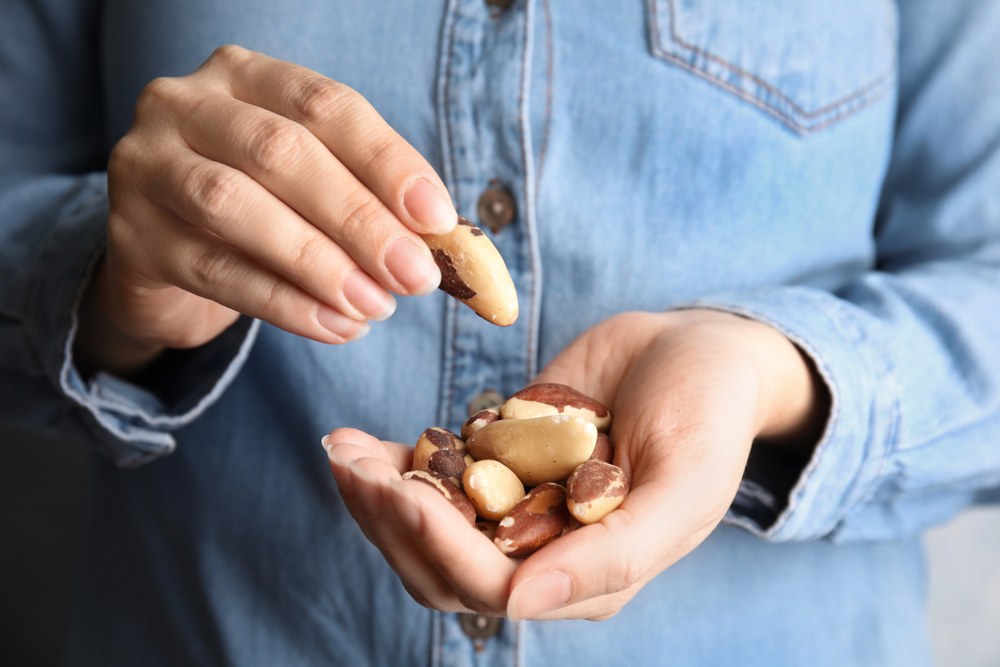
If the allergy has been confirmed, the primary treatment is to avoid the foods that trigger reactions.
There is currently no medication that can cure the allergy itself.
Medication can relieve symptoms

Antihistamines are often used to reduce itching and other allergy-related symptoms.
For individuals who have previously experienced severe reactions, doctors may prescribe an adrenaline auto-injector for emergency use.
Advice for people with food allergies

It is recommended to be aware of both the foods that trigger reactions and any potential cross-reactivities.
Symptoms should be discussed with a healthcare professional, and specialist guidance may be helpful.
Source: Netdoktor.
This article is made and published by Ida-Marie Palm Varbæk, who may have used AI in the preparation.