
Ever told yourself, “I’ll just have one chip,” only to find the entire bag empty? It’s not just a lack of willpower. Research shows that your craving for snacks is both biologically and industrially engineered.
The food industry designs addictive products

Food manufacturers use advanced techniques to make snacks as irresistible as possible. They carefully fine-tune taste, texture, and composition to keep you eating—without feeling full.
Sugar activates your brain’s reward system
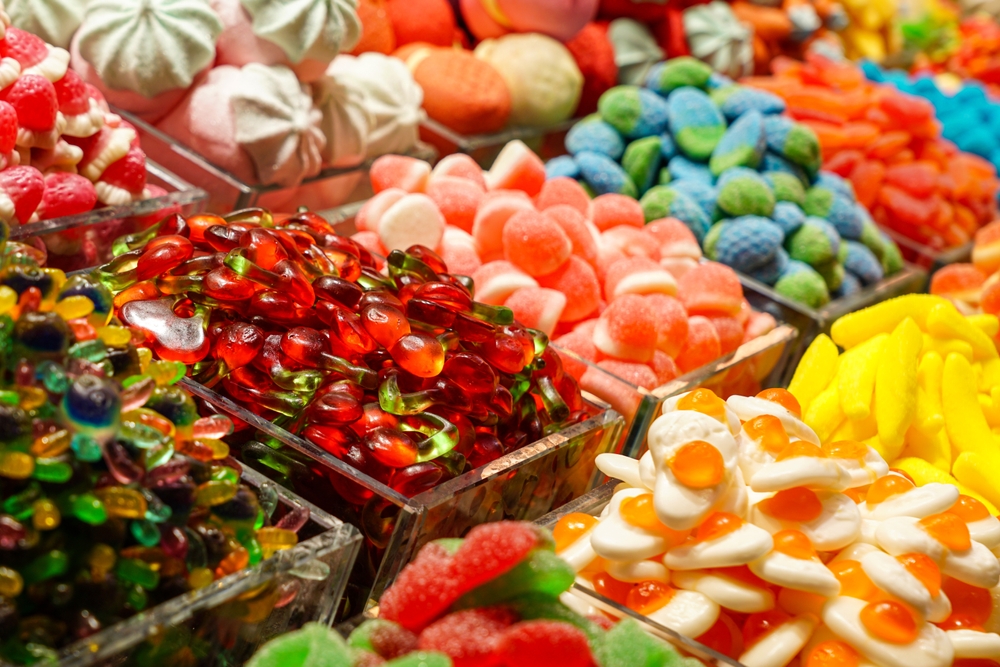
When you eat sugary foods, your brain releases dopamine—the same neurotransmitter triggered by pleasurable and addictive substances. This reward response creates a feeling of happiness and a craving for more sugar.
The combination of fat and carbohydrates makes snacks extra tempting

Natural foods rarely contain both high amounts of fat and fast-digesting carbohydrates at the same time. But snacks like chips, chocolate, and junk food combine these two elements—creating a combination that your brain finds especially appealing.
We are biologically wired to crave sweet flavors

Humans naturally prefer sweet tastes because, historically, sweetness signaled energy-rich and safe foods like ripe fruit. However, the food industry has exploited this preference by creating much more concentrated sweet flavors.
“Superstimuli” distort your sense of taste
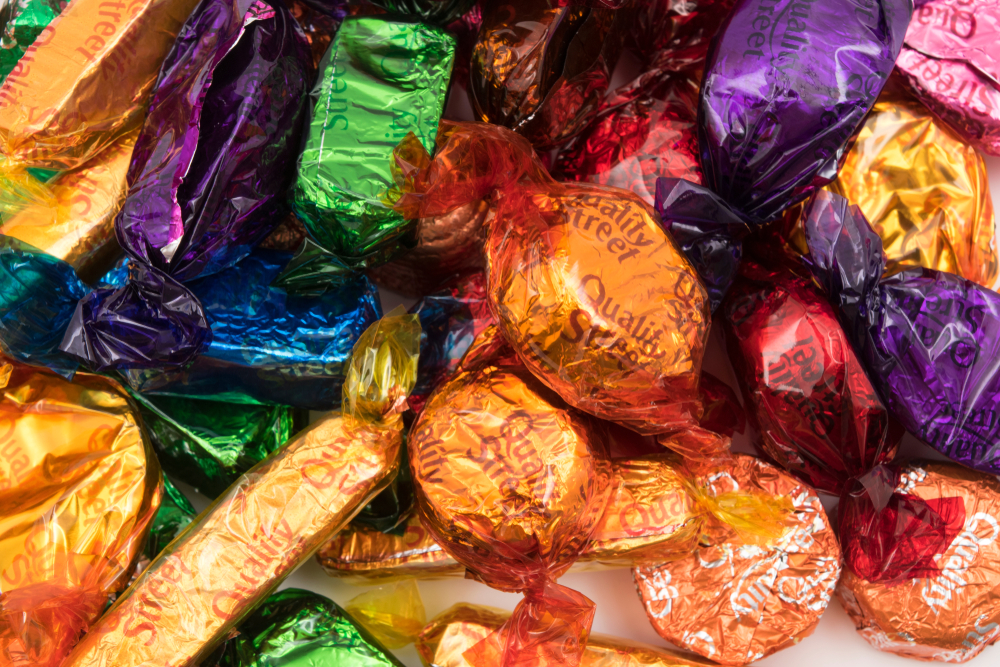
Candy, soda, and junk food are designed as “superstimuli”—exaggerated versions of natural flavors that overstimulate the brain. Once you get used to these artificial flavors, natural foods like fruit may seem bland in comparison.
Easy-to-digest snacks provide quick energy

Your body needs energy to digest proteins and fiber, but sugar and refined carbohydrates are absorbed almost instantly. This makes candy and chips fast energy sources, making them even more tempting.
Colors and scents trigger your cravings

Snacks and sweets are often brightly colored and intensely scented to appeal to your senses and make them more attractive. Studies show that visually appealing food makes us eat more—even when we’re not hungry.
Snacks are designed to be hard to stop eating
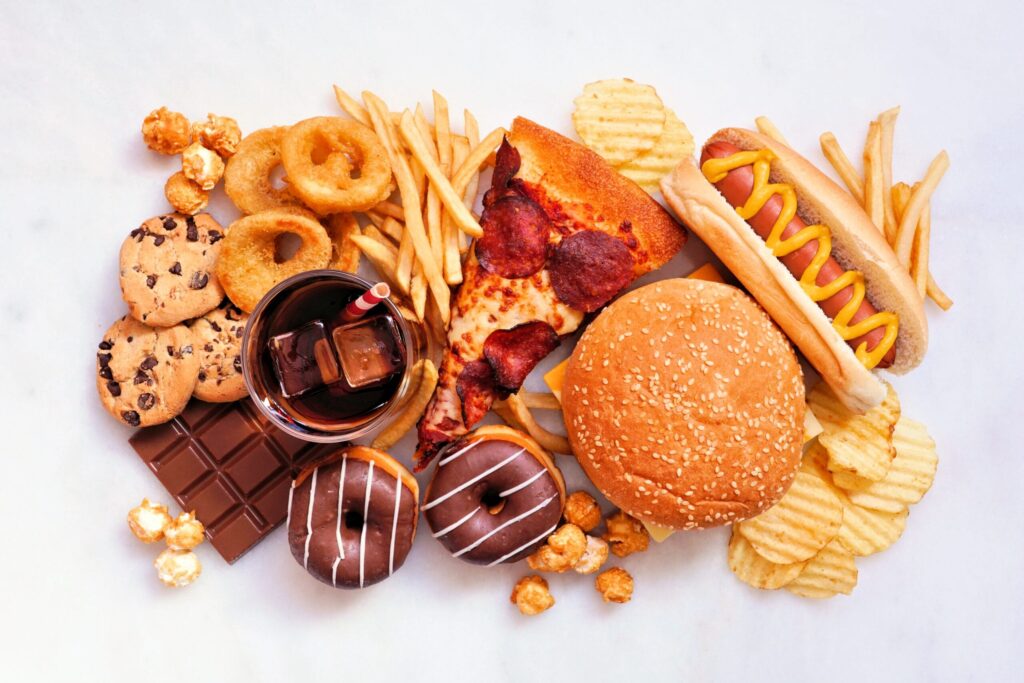
Foods like chips are made to be light and crispy, giving a satisfying crunch that makes you want more. At the same time, they don’t provide real satiety, so you can keep eating without feeling full.
Sugar alters your sense of taste
If you regularly consume very sweet foods, your taste buds adjust, making natural foods like fruit seem less sweet. This drives you to seek out even more sugar to get the same level of satisfaction.
You can train your brain to say no
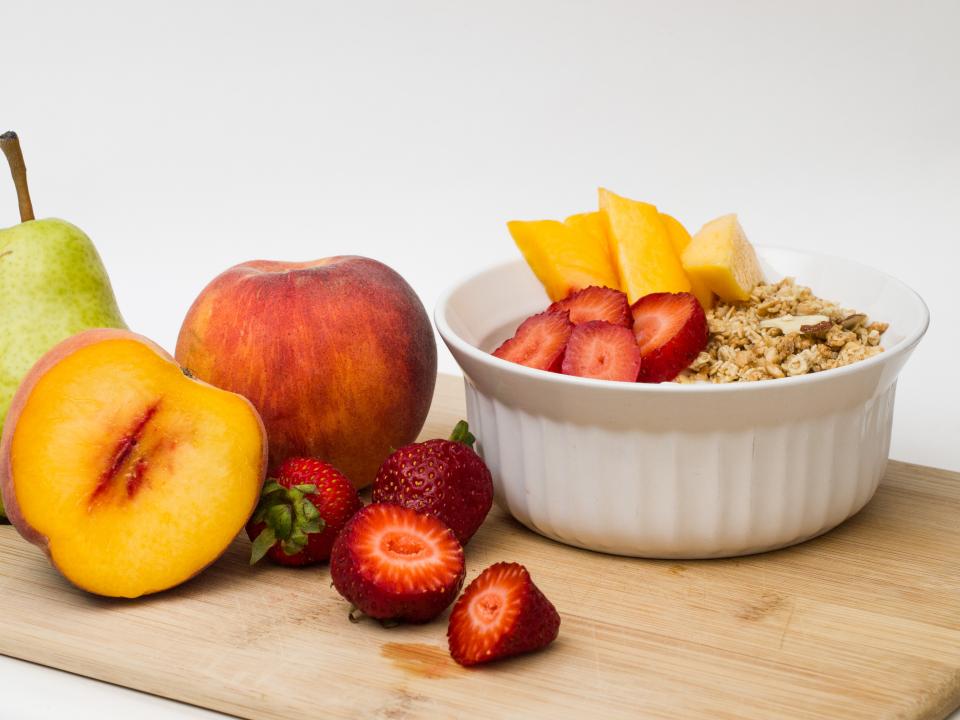
The good news is that you can reset your sensitivity to natural sweetness. If you avoid highly processed, sugary foods for a while, your taste buds will adjust, allowing you to enjoy the natural sweetness of fruit again—and reducing your cravings for candy and snacks.
The article is based on information from DR.
This article is made and published by Ida-Marie Palm Varbæk, who may have used AI in the preparation.