
In a world where stress and anxiety often creep into our everyday lives, your home can be more than just a place to live – it can be a sanctuary for your mental health.
Here are some powerful ways to transform your personal space into a calming, mindful environment.
Declutter your space
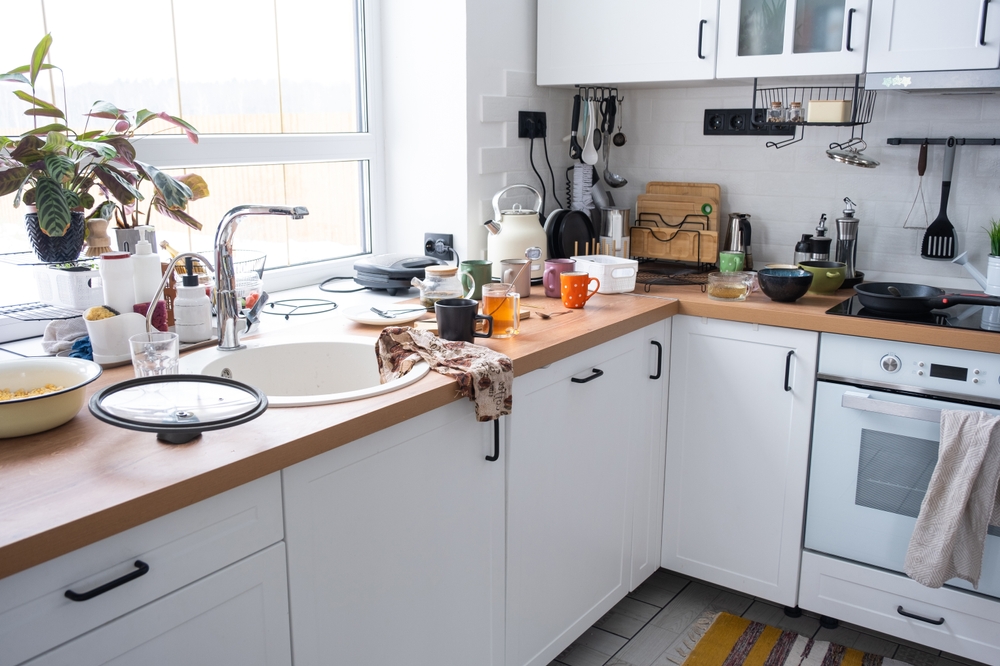
A cluttered home can mirror a cluttered mind. Start by getting rid of items you no longer need or love.
Simplifying your environment helps reduce stress and creates mental clarity. Less mess, more peace.
Bring nature indoors
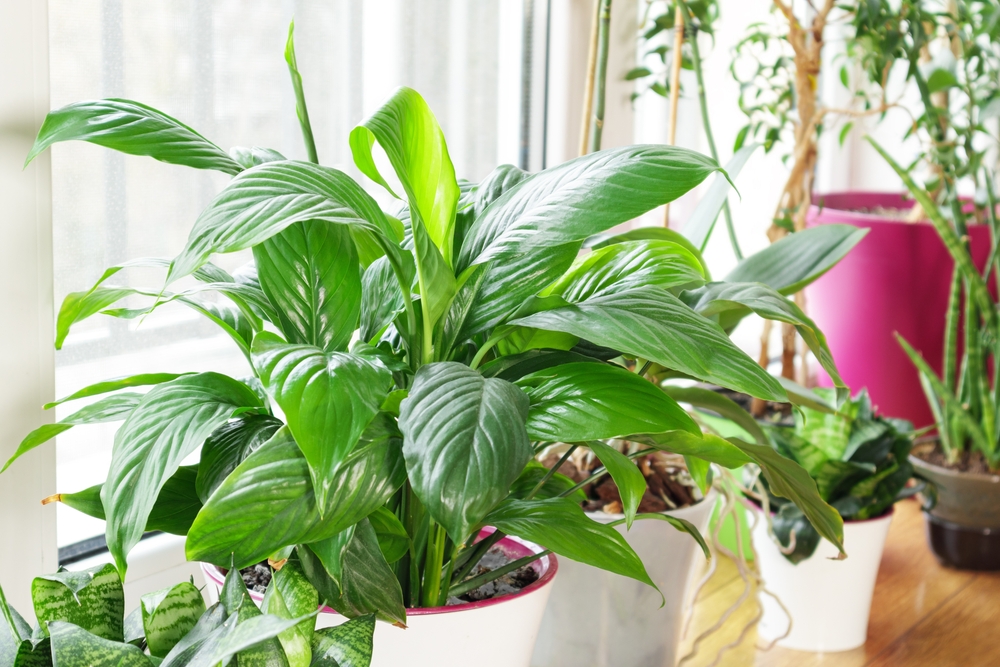
Nature is a natural mood booster. Add plants, natural materials like wood or stone, and let in sunlight and fresh air.
Even small touches of greenery can help you feel more grounded and connected.
Create a dedicated relaxation zone

Whether it’s a cozy chair by the window or a meditation cushion in the corner, having a special place to unwind makes a big difference.
This space should be distraction-free and meant solely for relaxation and self-care.
Choose calming colors and textures
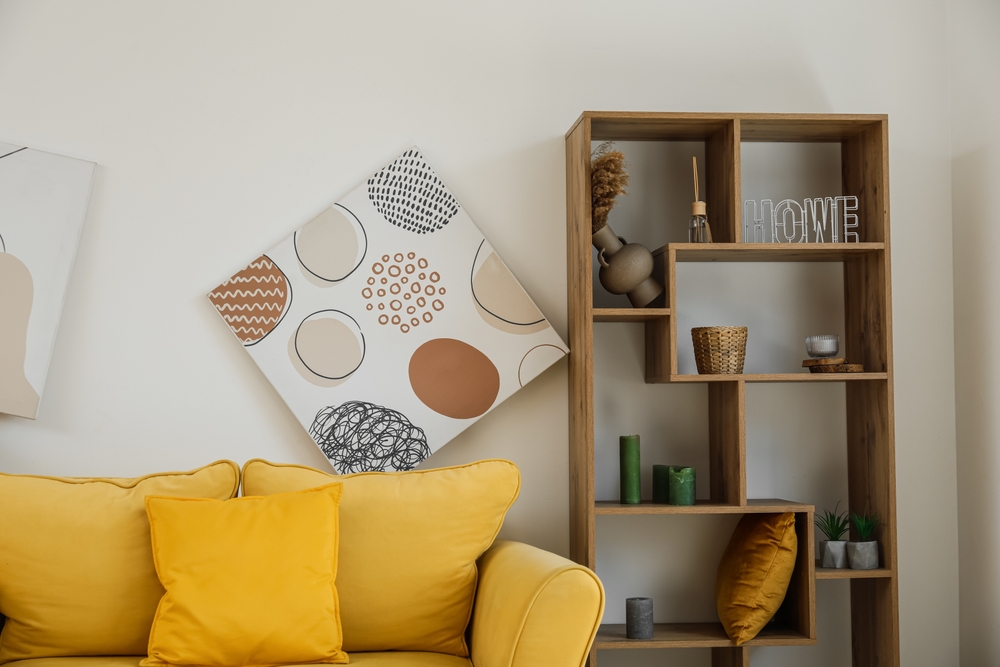
Colors like soft blues, greens, and earth tones can have a calming effect.
Combine these with soft fabrics – think cozy blankets and plush pillows – to create a warm and welcoming atmosphere that soothes the senses.
Make daily rituals part of your routine

Simple rituals like morning stretches, evening tea, or journaling can bring structure and calm into your day.
Mindfulness thrives in routine – find rituals that ground you and make them part of your home life.
Set boundaries with technology

Too much screen time can fuel anxiety and overstimulation.
Designate tech-free zones in your home, especially in bedrooms or your relaxation area, to help your brain rest and recharge.
Prioritize comfort and function

Choose furniture and decor that not only look good but feel good.
A supportive office chair, a restful bed, or even easy-to-use kitchen tools can make your home feel more nurturing and reduce unnecessary stress.
Use natural materials for warmth and calm
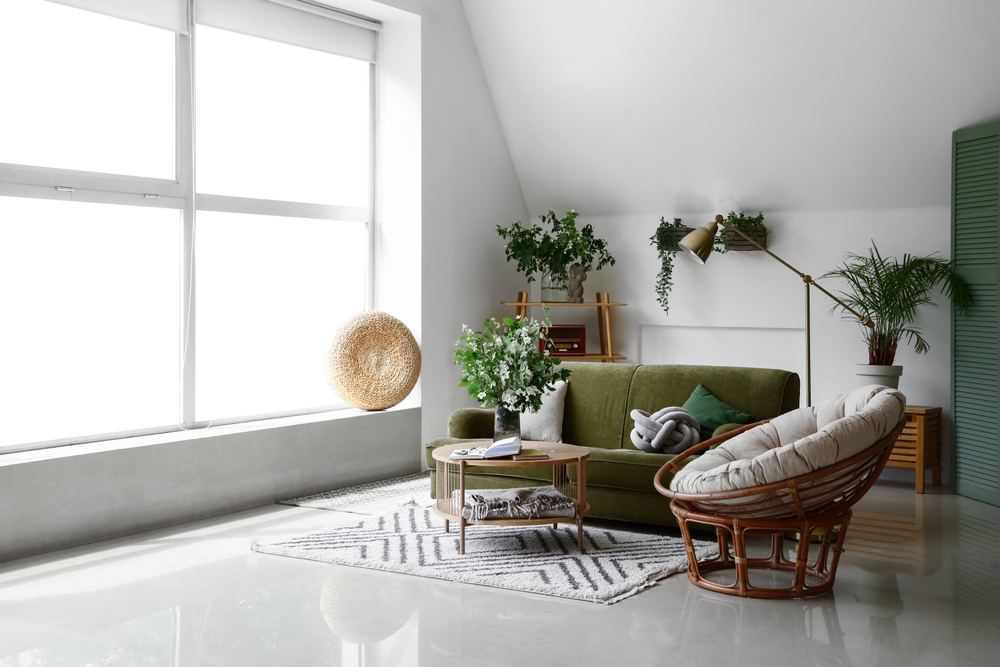
Natural fibers like cotton, linen, and wool, along with wood or stone, can add a sense of authenticity and warmth to your home.
These elements help create a grounded, calming environment that’s easy on the mind.
Let light and air flow freely
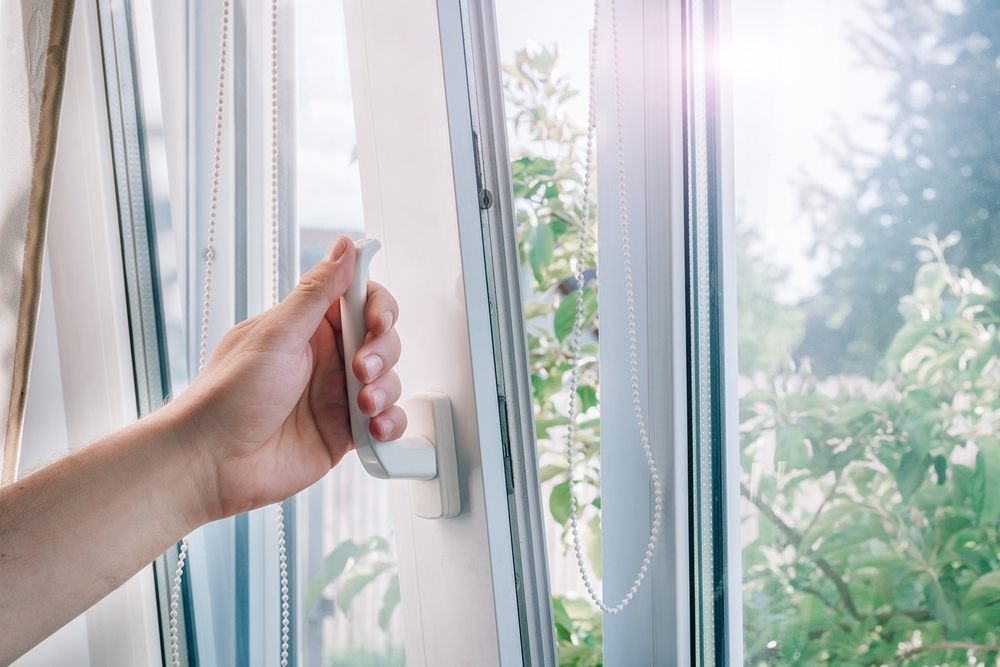
Natural light can improve mood and focus, while good ventilation helps refresh your space.
Open windows whenever possible, and arrange your furniture to make the most of available light throughout the day.
Personalize your space with intention

Surround yourself with items that make you feel safe, happy, or inspired – whether it’s a piece of art, a family photo, or a cozy heirloom blanket.
A mindful home should reflect who you are and what brings you peace.
This article is based on information from Healthline.com.
This article is made and published by Ida-Marie Palm Varbæk, who may have used AI in the preparation.