
Dietary supplements are widely used to support health, but some products have been linked to liver injury. Experts say choosing the right supplement, taking the correct dose and confirming you actually need it are all important steps, reports EatingWell.
Your liver processes every supplement
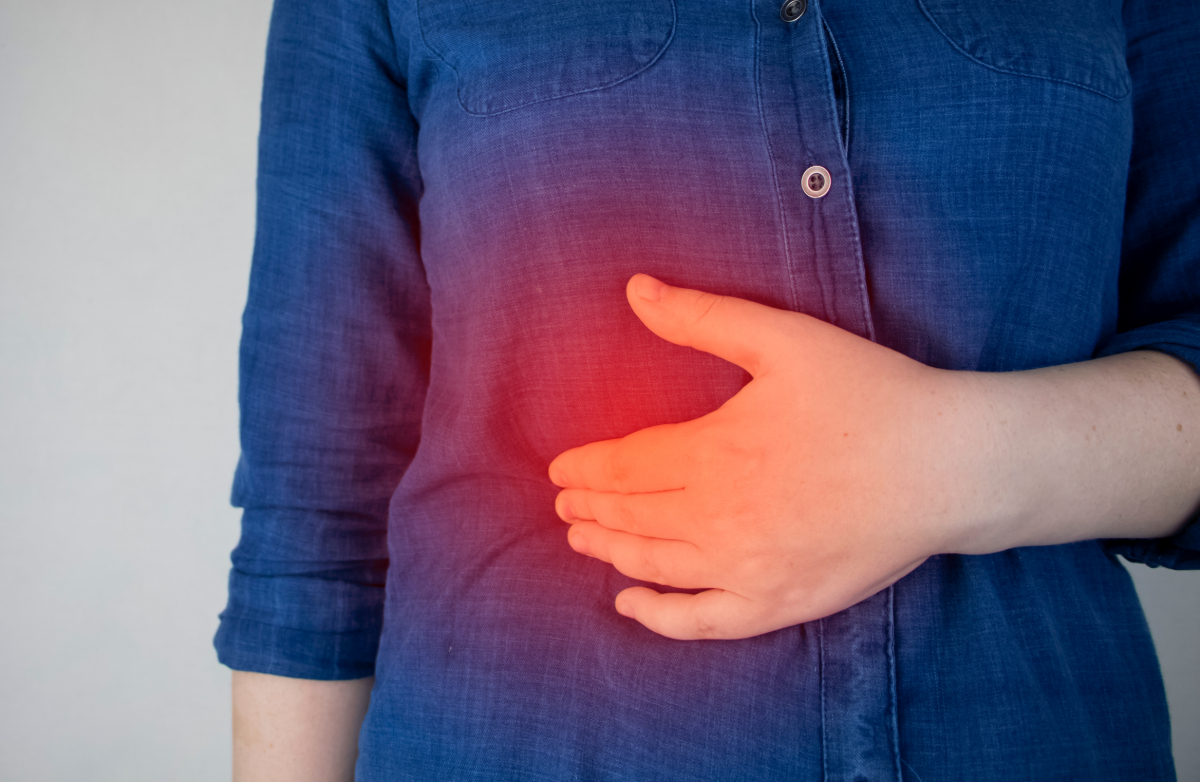
Before nutrients and herbal ingredients reach the rest of the body, they are processed by the liver. This is why certain supplements can interfere with normal liver function.
Food should come before supplements
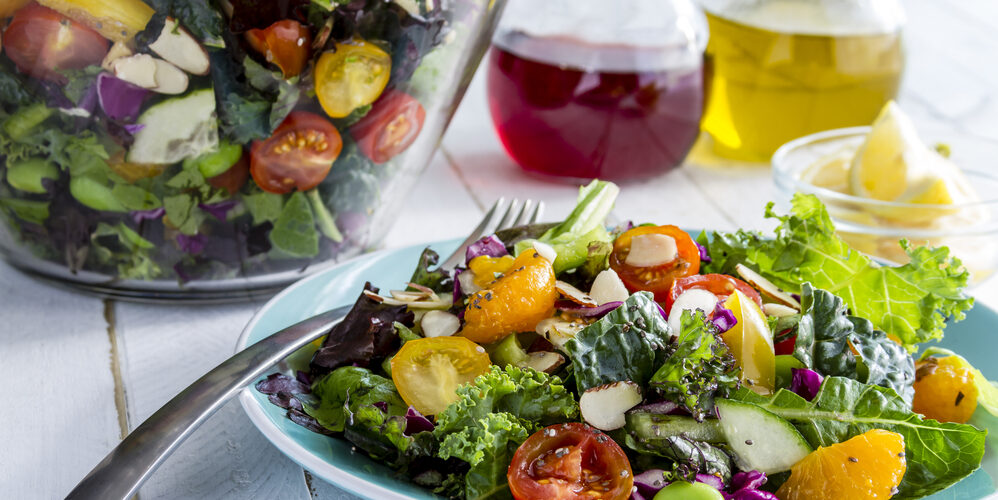
Experts recommend getting nutrients from food whenever possible, as whole foods provide these nutrients without the highly concentrated doses found in some supplements.
Testing can prevent unnecessary supplementation
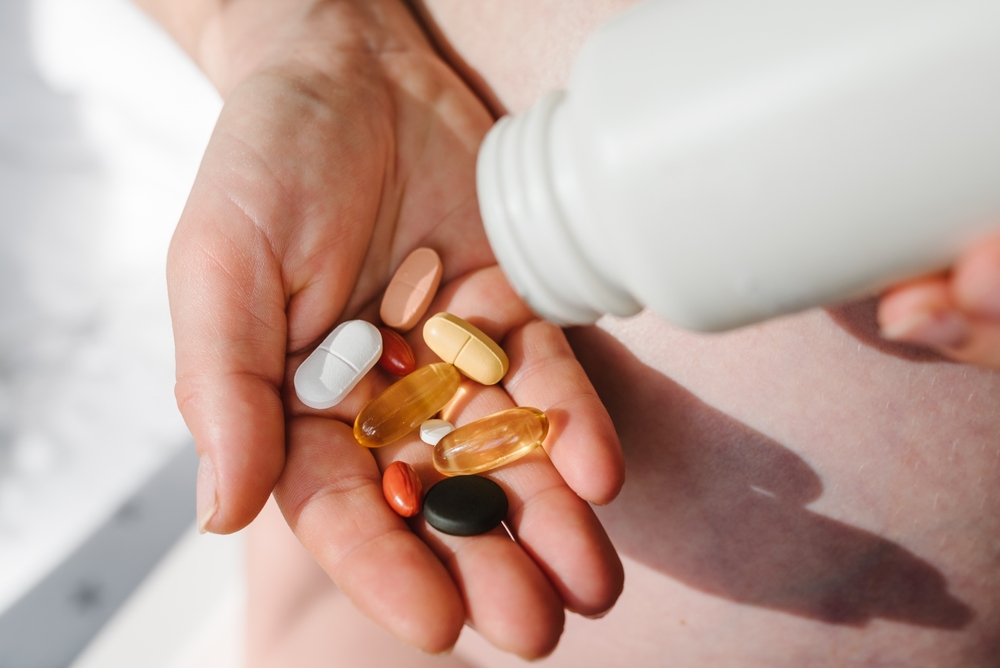
Rather than taking supplements as a precaution, experts advise checking your nutrient levels first. They note that supplements are most beneficial when correcting a confirmed deficiency.
Also read: Your doctor may reach for a pill first, but research backs a different insomnia fix
Independent quality testing matters
Because supplements are not required to prove safety or effectiveness before reaching the market, experts recommend choosing products that have been independently verified for quality and purity.
Herbal supplements account for a growing share of liver injuries
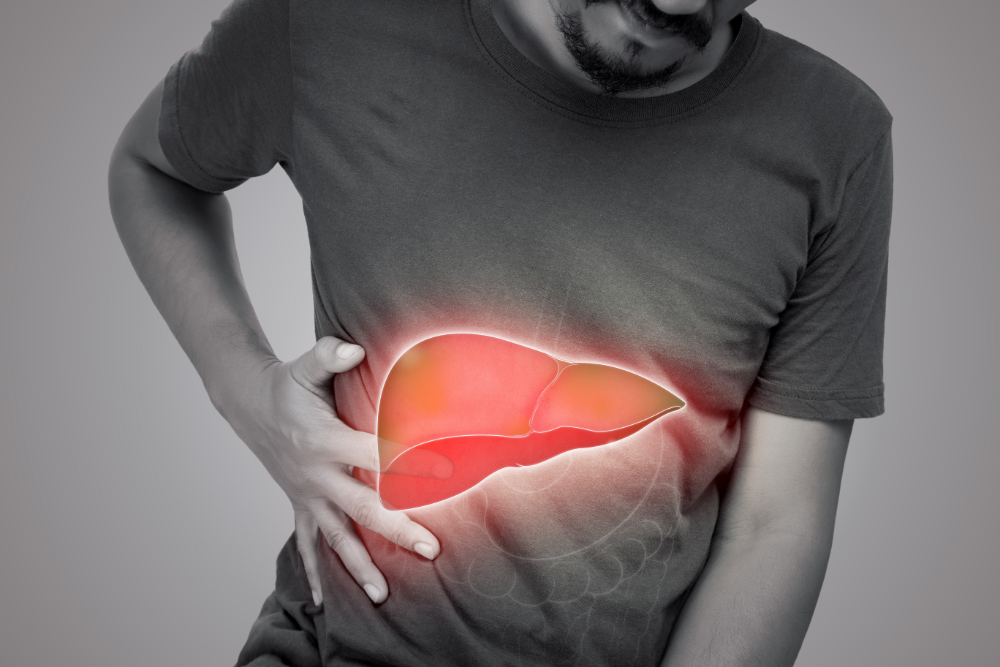
The article reports that herbal and dietary supplements are now linked to more than 16% of drug induced liver injury cases in the United States, with the number continuing to rise.
Green tea extract carries a higher risk than brewed tea
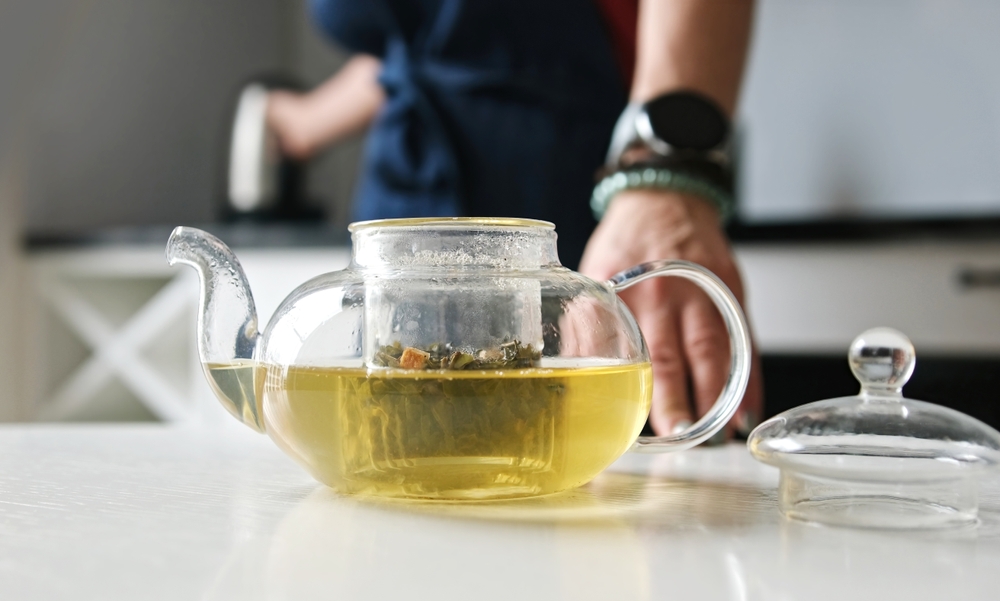
Experts stress that concentrated green tea extract is very different from drinking green tea. Capsules may contain several times more EGCG than a brewed cup, and high daily intake has been associated with elevated liver enzymes.
Vitamin A can accumulate over time

Unlike water soluble vitamins, vitamin A remains stored in the body. Long term excessive intake may contribute to liver inflammation, fat accumulation, fibrosis and cirrhosis.
Also read: Short, intense workouts may deliver as much heart benefit as long steady ones
Turmeric extract may become more potent with black pepper
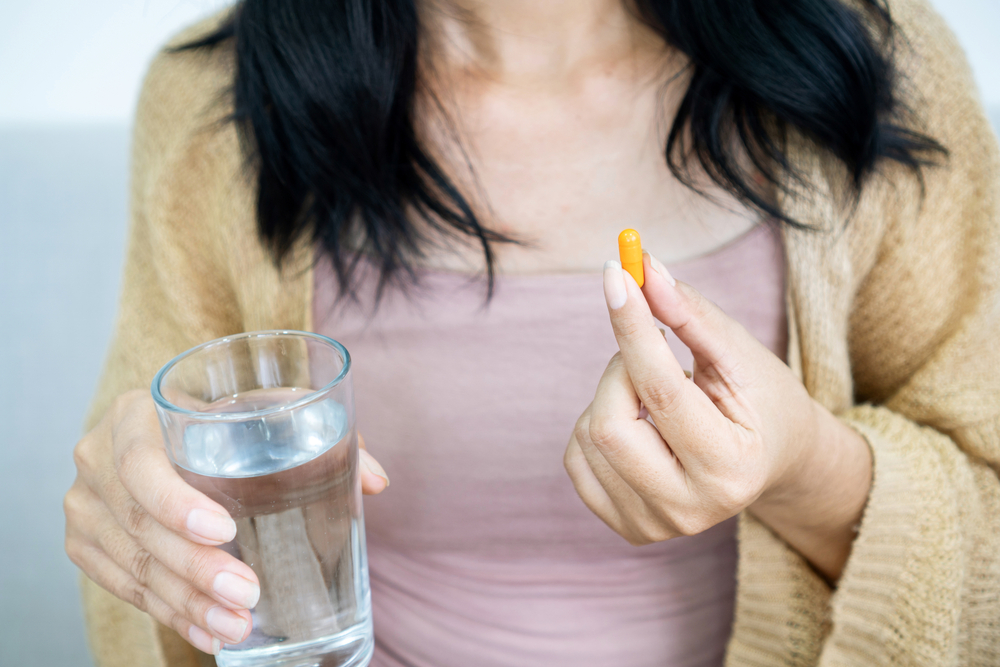
Black pepper extract contains piperine, which can reduce the liver's ability to break down curcumin. This increases curcumin absorption and has been linked to a growing number of reported liver injury cases.
Ashwagandha has also been associated with liver injury

Although commonly used for stress relief and sleep support, documented cases of liver injury linked to ashwagandha have been reported in both the United States and internationally.
Know the warning signs

Experts advise stopping a supplement and contacting a healthcare provider if symptoms such as fatigue, nausea, dark urine or yellowing of the skin or eyes develop.
Talk to your healthcare provider before starting
This is especially important for people taking medication or living with underlying health conditions. According to the experts, many supplement related liver injuries are preventable.
Also read: What your body actually goes through in the weeks after you stop drinking
Dose makes a difference

The article concludes that supplements are not inherently dangerous, but the amount taken is crucial. Confirming a need, selecting a tested product and involving a healthcare professional can help reduce the risk.
Also read: Researchers ran a two-year walnut trial: The most harmful LDL particles fell
This article is made and published by Mie Hermansen, who may have used AI in the preparation.