
Struggling to fall asleep? The right foods can help regulate your sleep cycle, keep you full through the night, and promote relaxation.
Here are ten foods that science suggests may improve your sleep quality.
Whole Grain Crackers
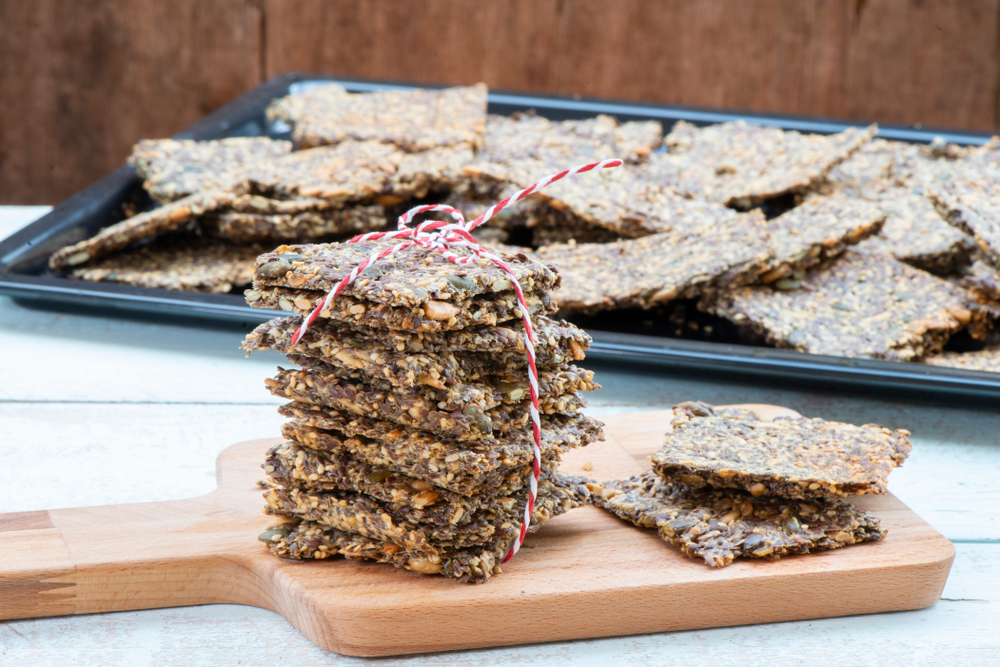
Rich in fiber, whole grain crackers help stabilize blood sugar levels throughout the night, reducing the risk of insulin spikes that can disturb sleep.
Choosing fiber-rich snacks over refined carbs can make a noticeable difference in how well you rest.
Decaf Coffee

While regular coffee is a sleep disruptor, decaf contains small traces of melatonin, the hormone responsible for regulating sleep-wake cycles.
If you love an evening coffee, switching to decaf could actually benefit your sleep.
Skyr (Icelandic Yogurt)
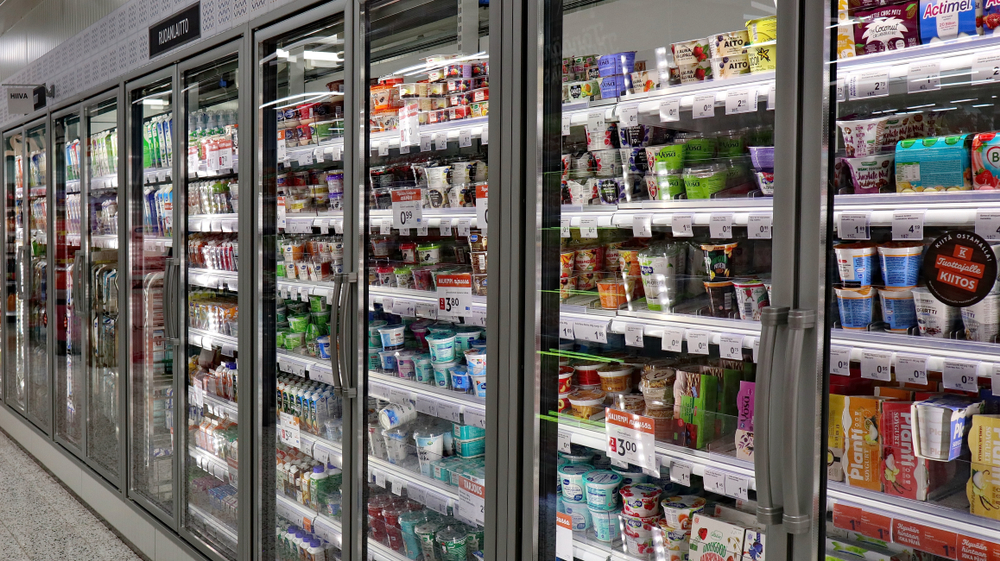
Packed with casein protein, skyr is a slow-digesting dairy product that keeps you feeling full for longer.
It prevents nighttime hunger and supports muscle recovery while you sleep, making it an ideal late-night snack.
Walnuts
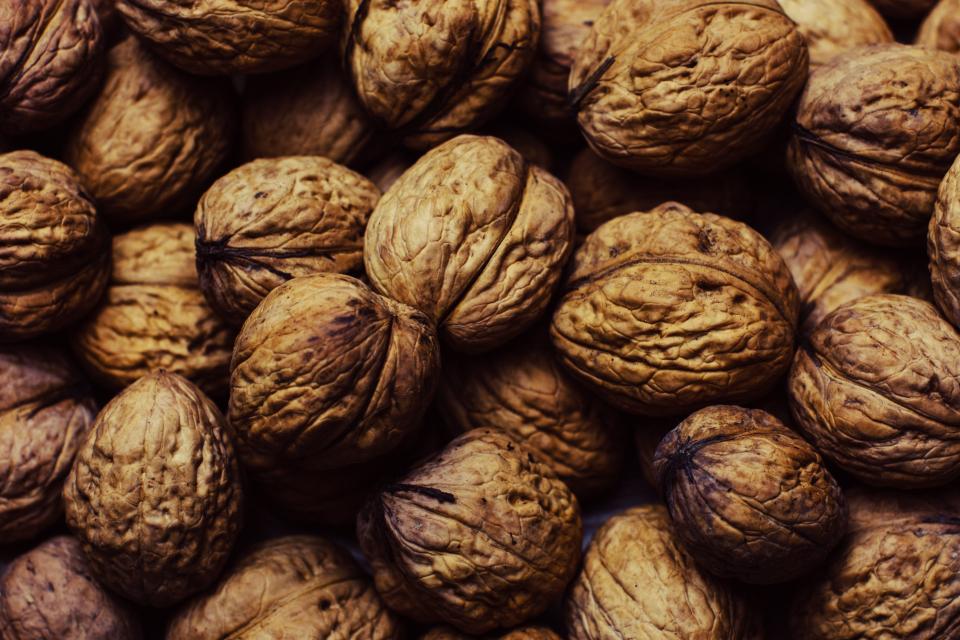
Walnuts are naturally high in tryptophan, an amino acid that boosts serotonin and melatonin production.
These hormones help regulate your internal clock and promote deep, restful sleep.
Almonds
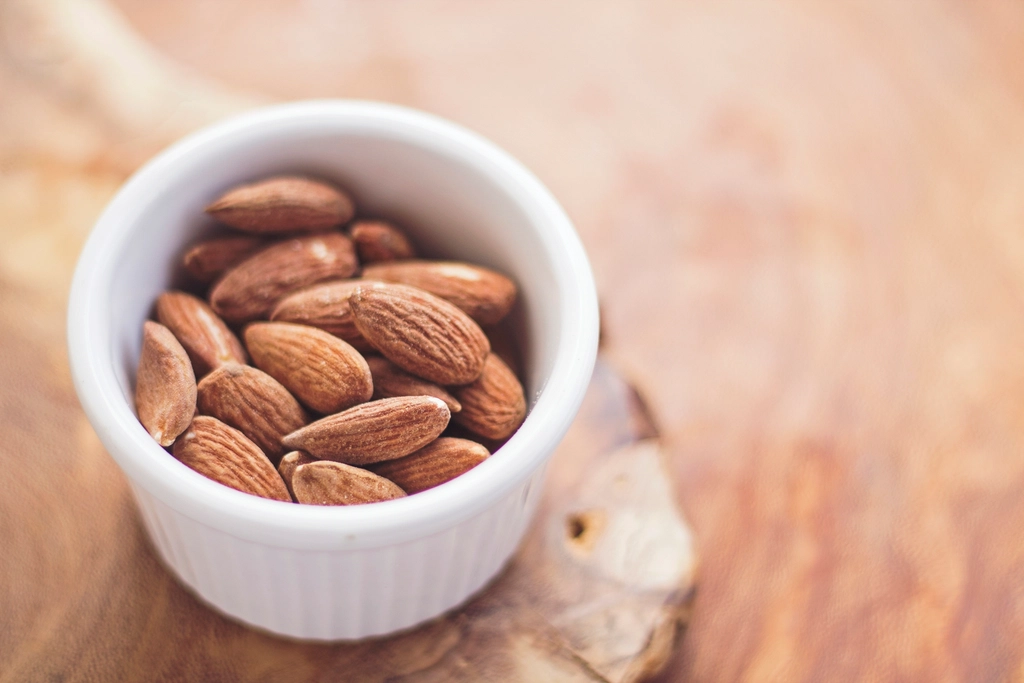
A great source of magnesium, almonds help relax muscles and calm the nervous system.
Magnesium deficiency has been linked to sleep disturbances, so adding almonds to your diet may help improve sleep quality.
Bananas

Rich in potassium and magnesium, bananas help relax muscles and regulate stress hormones.
Eating a banana before bed can help ease tension and prepare your body for sleep.
Oatmeal

Although often considered a breakfast food, oatmeal is also a great bedtime snack.
It contains complex carbohydrates that encourage serotonin production, helping you relax before falling asleep.
Chamomile Tea

This herbal tea is well-known for its calming properties.
Chamomile contains apigenin, an antioxidant that binds to receptors in the brain, reducing anxiety and promoting sleepiness.
Dark Chocolate
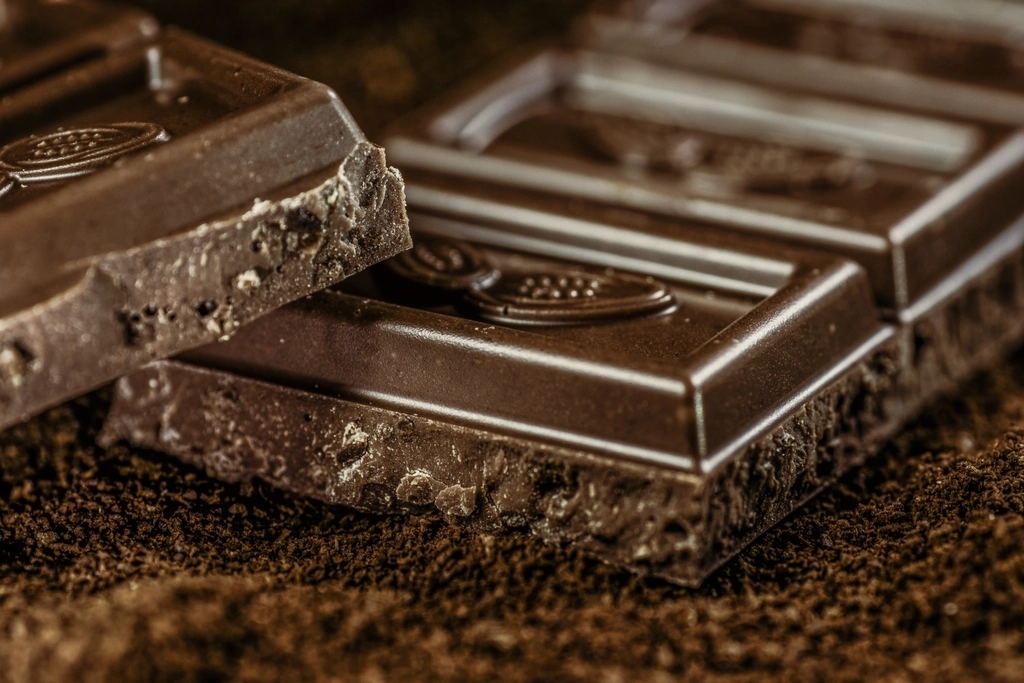
Dark chocolate contains serotonin-boosting compounds that help regulate mood and encourage relaxation.
Choose varieties with high cocoa content and minimal added sugar for the best effects.
Pumpkin Seeds
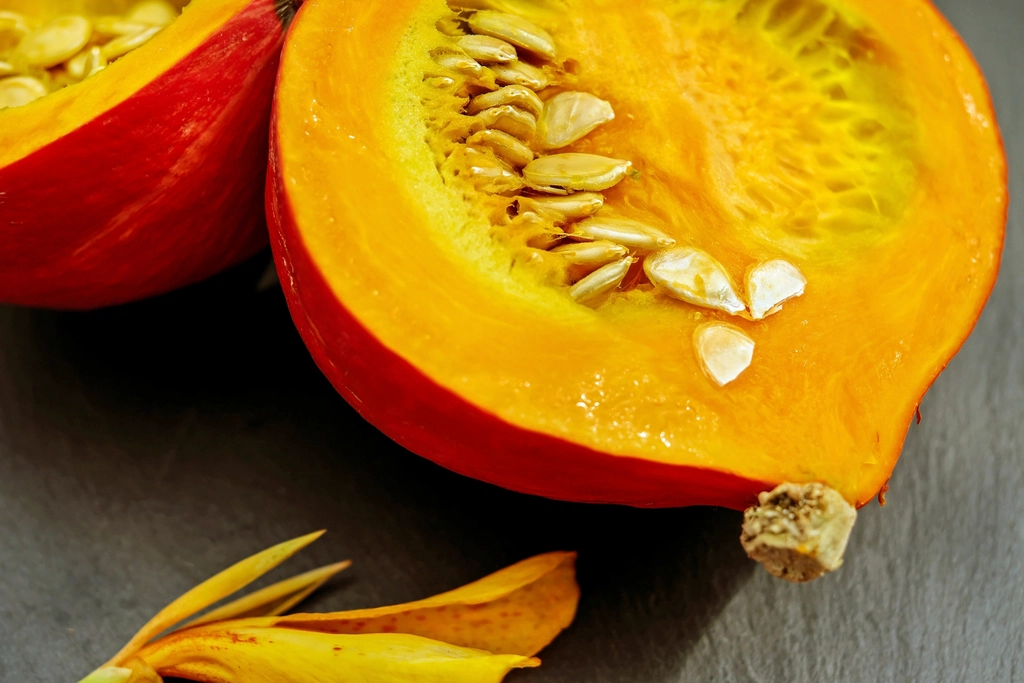
These tiny seeds are packed with zinc, magnesium, and tryptophan, all of which contribute to better sleep quality.
Sprinkle them on your evening meal or snack on a handful before bed.
Article based on information from Iform
This article is made and published by Mie Hermansen, who may have used AI in the preparation.