
Have you ever wondered how much weight you should be able to lift in a shoulder press?
Strength levels vary depending on age, weight, and training experience, but there are general benchmarks that can help you gauge your performance.
Here’s a breakdown in 10 key points so you can compare your lifts to others.
What is a good weight for the shoulder press?

A “good” weight depends on your training level. Beginners start with lower weights, while elite lifters can press more than their body weight.
Shoulder press for men: What is the average?

For a man who trains regularly, a solid lift at an intermediate level is around 142 lbs (64 kg). Elite lifters can press up to 248 lbs (112 kg).
Shoulder press for women: How much is enough?

Women typically start lower, but an average trained woman can lift around 75 lbs (34 kg), while the strongest can press up to 143 lbs (65 kg).
Your age plays a role

Like all strength training, the average shoulder press weight decreases with age. A 25-year-old can typically lift more than a 60-year-old at the same experience level.
Weight matters
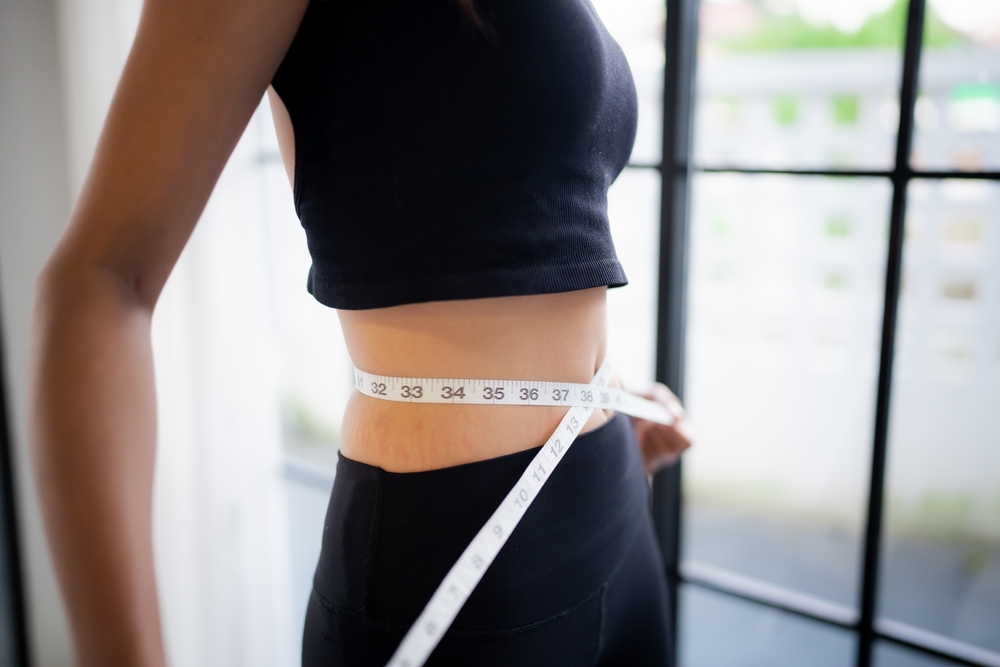
The more you weigh, the more you can usually lift. A person weighing 200 lbs (91 kg) will typically have a stronger shoulder press than someone at 150 lbs (68 kg), assuming similar training levels.
Beginner vs. elite – what’s the difference?
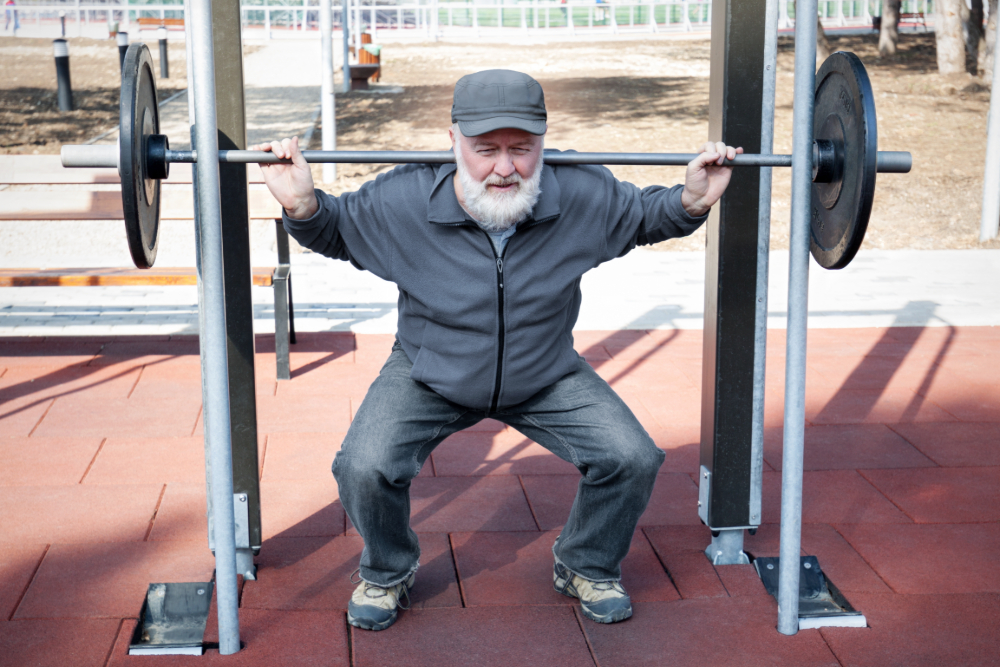
A beginner can usually press around 66 lbs (30 kg), while an elite lifter can reach over twice their body weight.
Shoulder press in relation to body weight

A good rule of thumb is that an average lifter should be able to press between 0.5x and 1.4x their body weight, depending on experience.
Men vs. women – how big is the difference?

Men generally have a higher average shoulder press than women due to muscle mass and hormonal differences.
Why is the shoulder press important?

This exercise strengthens your shoulders, arms, and core muscles and is a key indicator of upper-body strength—both for athletes and regular fitness enthusiasts.
How to improve your shoulder press

Want to lift more? Focus on technique, strengthen your core, and gradually increase the weight to improve your shoulder press over time.
This article is based on information from Strength Marathon Handbook
This article is made and published by Mie Hermansen, who may have used AI in the preparation.