
Signs That Your Stress Levels Might Be Too High

Date:

Share this article:

Del denne artikel:

Stress is a natural part of life, but when it becomes overwhelming, it can affect both your mental and physical health.

Many people experience stress differently, making it important to recognize the signs and take action before it leads to serious problems.

Changes in sleep patterns
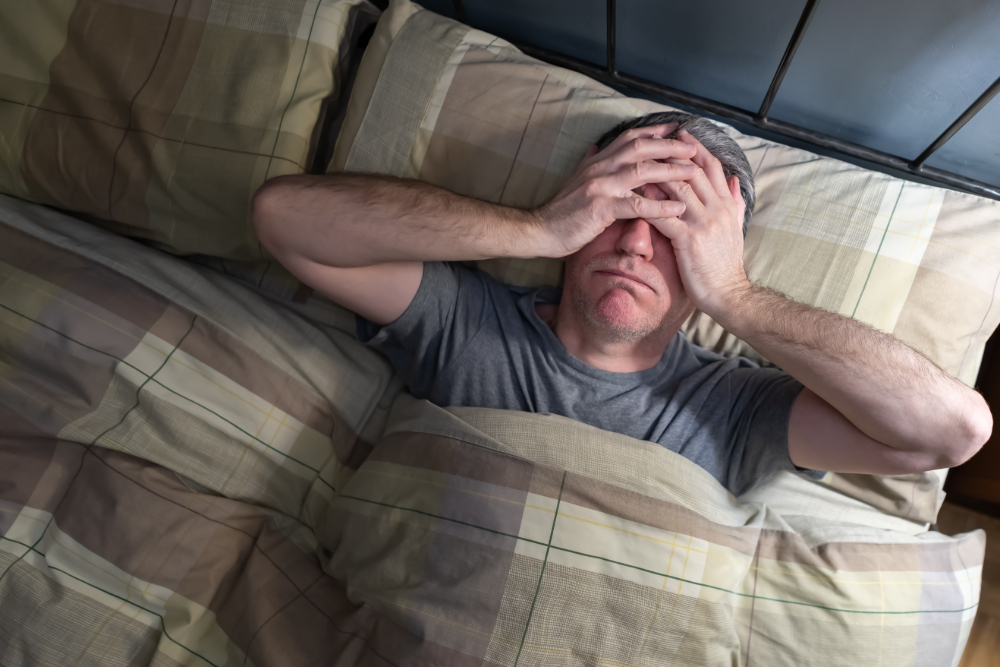
Photo: Shutterstock.com

Struggling to fall asleep or waking up frequently during the night could be a sign that stress is taking a toll on your nervous system.

Constant fatigue

Photo: Shutterstock.com

Even after a full night’s sleep, excessive stress can leave you feeling drained and unmotivated throughout the day.

Increased irritability

Photo: Shutterstock.com

When under stress, patience wears thin. Small inconveniences may suddenly feel overwhelming, leading to mood swings and frustration.

Digestive issues

Photo: Shutterstock.com

Stress affects the gut, often leading to bloating, nausea, stomach pain, or even conditions like irritable bowel syndrome.

Frequent headaches

Man with a headache
Photo: Shutterstock.com

Tension headaches are common when stress levels are high, as muscles tighten around the head and neck.

Changes in appetite

Photo: Shutterstock.com

Some people overeat when stressed, while others lose their appetite completely—both can negatively impact overall health.

Trouble concentrating

Photo: Shutterstock.com

A constantly overwhelmed mind finds it hard to focus, making even simple tasks seem impossible to complete.

Increased heart rate

Check heartrate
Photo: Shutterstock.com

If you notice your heart racing more often, especially in non-stressful situations, it may be due to elevated cortisol levels in the body.

Reliance on unhealthy coping mechanisms

Photo: Shutterstock.com

Excessive alcohol, caffeine, or social media use can be a way to escape stress temporarily but often worsens the issue in the long run.

Social withdrawal

Photo: Shutterstock,.com

High stress can lead to avoiding social interactions, making people feel isolated and disconnected from friends and family.

This article is based on information from Health

This article is made and published by Mie Hermansen, who may have used AI in the preparation.

Other articles

How eating oily fish twice a week may ease your joint pain and stiffness

The fat in a short list of ocean fish seems to work on the same inflammation pathway that several arthritis drugs quiet from the pharmacy shelf.

Yoga vs. Pilates: which one does more for your body, per clinical research

The two mind-body workouts share a studio and a reputation, but the clinical trials line up very differently depending on what you actually want from them.

Millions take fish oil for brain health: A two-year trial found zero benefit

The omega-3s actually did reach the brain, which rules out the usual defense, and yet the researchers found nothing where they expected a change.

8 silent warning signs of high blood pressure most people never notice

It's called the silent killer, but at dangerous levels the body often sends signals you can learn to recognize.

How eating oily fish twice a week may ease your joint pain and stiffness

The fat in a short list of ocean fish seems to work on the same inflammation pathway that several arthritis drugs quiet from the pharmacy shelf.

Yoga vs. Pilates: which one does more for your body, per clinical research

The two mind-body workouts share a studio and a reputation, but the clinical trials line up very differently depending on what you actually want from them.

Millions take fish oil for brain health: A two-year trial found zero benefit

The omega-3s actually did reach the brain, which rules out the usual defense, and yet the researchers found nothing where they expected a change.