
Waking up at night to urinate might seem harmless — but it could be your body trying to tell you something.
One Nighttime Bathroom Trip Is Usually Fine

Getting up once during the night to use the bathroom isn’t considered unusual. Your body’s internal rhythm sometimes requires it — but anything more might signal an underlying issue.
Broken Sleep Isn’t Just Annoying — It’s Unhealthy
Frequent nighttime urination fragments your sleep, which can leave you groggy, irritable, and vulnerable to illness. Your brain and body need deep rest to recharge — and constant bathroom runs get in the way.
Your Body Is Designed To Slow Down At Night
Under normal circumstances, your body reduces urine production during sleep. If that process malfunctions, it may indicate hormonal imbalances or other disruptions in how your system is regulating itself.
Also read: He Lives on Coffee, Cookies and Dessert — and He’s 96 and Healthy
More Than Just A Full Bladder

Needing to urinate at night can be a symptom — not a cause. Conditions like diabetes, heart issues, or kidney problems often hide behind frequent nighttime voiding.
Hormones, Glands, And Gender Matter
In men, an enlarged prostate is a common culprit. In both sexes, hormonal shifts — particularly those related to aging — can impact bladder control during rest hours.
Evening Drinks Can Be Sleep’s Worst Enemy

That cozy cup of tea or glass of wine before bed might be setting you up for a restless night. Caffeine and alcohol act as diuretics, prompting your kidneys to produce more urine — just when you want them to slow down.
Some Medications Work Overtime
Taking diuretics or certain blood pressure medications in the late afternoon or evening can carry their effects into the night. That means your bladder stays busy, even when you're trying to sleep.
Also read: This Happens to Your Liver When You Drink Coffee Every Day
Age Reduces Your Bladder’s Patience
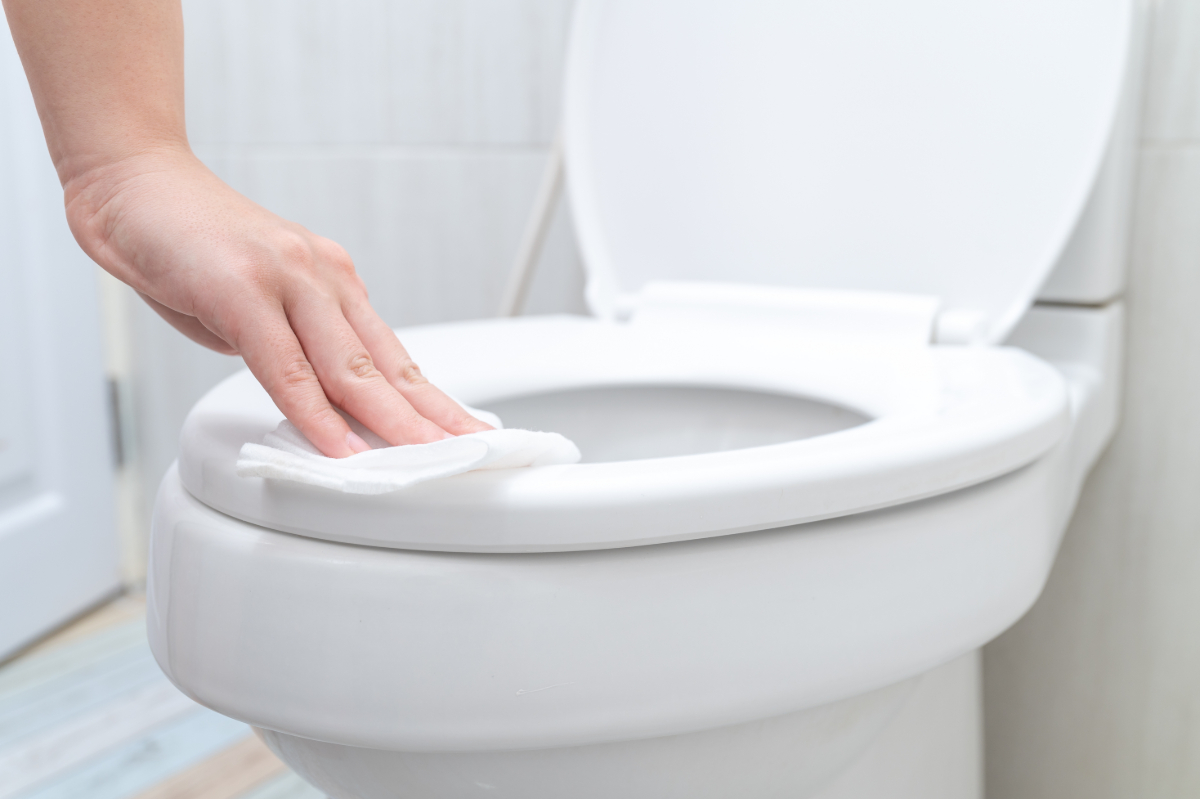
As we age, the bladder loses elasticity and storage capacity. Even small amounts of urine can trigger the urge to go — and older adults also tend to sleep more lightly, making every signal harder to ignore.
Overactive Bladder Doesn’t Rest At Night

An overactive bladder creates sudden urges to urinate, often without a full tank. At night, this condition can cause multiple unnecessary awakenings — draining your energy over time.
What You Can Do Tonight
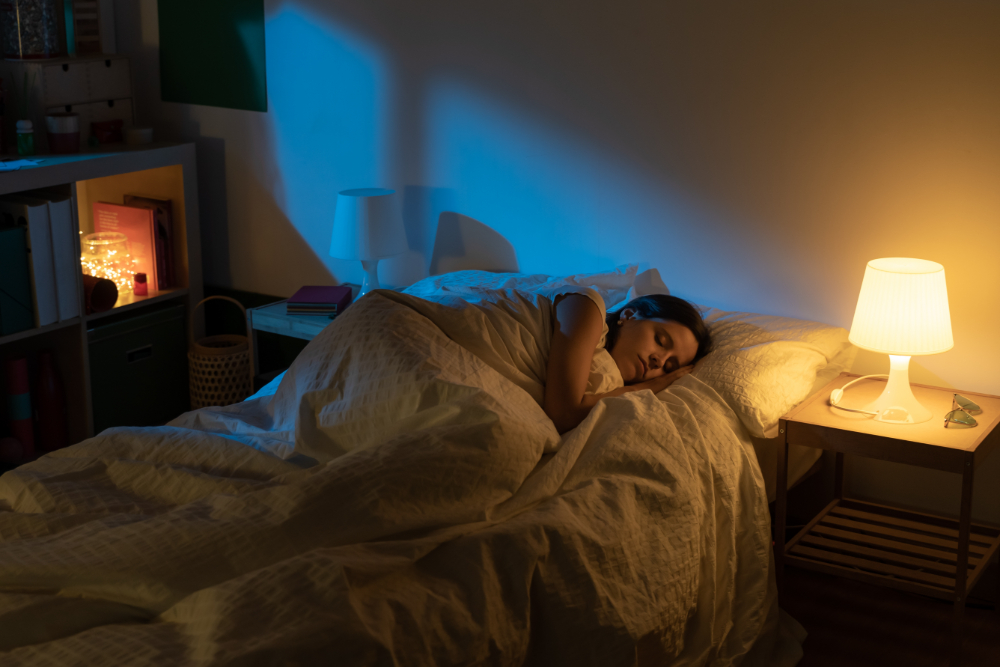
Cut back on fluids a few hours before bedtime. Avoid caffeine and alcohol in the evening. Add gentle exercise to your routine, and consider pelvic floor training if needed. These small shifts can lead to big improvements in nighttime peace.
This article is based on information from Santé Magazine
Also read: The Most Overlooked Trick for Women's Pain Relief? It’s on Your Leg
Also read: Drink Your Way to a Healthy Liver Using Only Ingredients from Home
This article is made and published by Mie Hermansen, who may have used AI in the preparation.