
Do you ever wake up from a strange or unsettling dream and wonder what caused it? New research suggests that your evening snack might be playing a surprising role in the dramas unfolding in your sleep.
Some Foods May Be Dream Disruptors

Participants in a new study reported more intense or disturbing dreams after consuming certain types of foods—especially sweets and dairy products.
Lactose Intolerance Linked to Nightmares

Those who struggled to digest lactose were more likely to experience nightmares, hinting at a gut-brain connection that extends into sleep.
Digestive Discomfort Can Disturb Sleep

Even minor bloating or stomach pain during the night may fragment sleep—and sneak into your subconscious as unsettling dream content.
Also read: Eating This Every Day May Help Fight Age-Related Memory Loss
Sugar Before Bed Isn’t So Sweet

Many participants pointed to candy and sugary treats as dream-altering culprits. These spikes in blood sugar may agitate the brain’s nighttime activity.
Eating Less May Boost Dream Recall

Interestingly, people who ate lighter in the evening were more likely to remember their dreams—both the pleasant and the strange.
Your Diet May Shape Your Dreams

Nutrition affects hormones, digestion, and even brain function—all factors that may influence how and what we dream about.
Fragmented Sleep Fuels Vivid Imagery

Disrupted sleep patterns can make dreams feel more bizarre, intense, or emotionally charged—even if you don’t fully wake up.
Also read: Therapists Reveal: These Weekend Habits Drain Your Energy the Entire Week
It’s Not Just the Dairy

While lactose was a key focus, researchers caution that overall diet quality—and not just one food group—might influence dream activity.
Sleep May Influence Cravings Too
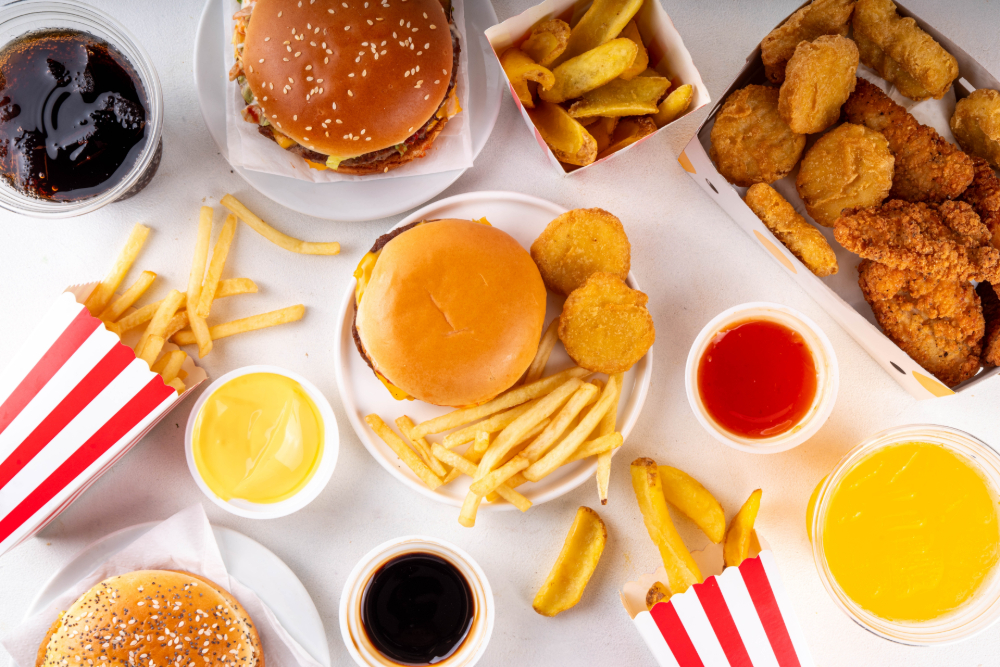
The study suggests the relationship could go both ways. Poor sleep may increase cravings for sugar or heavy foods, creating a loop.
More Research Is Needed

Although the findings are compelling, scientists emphasize that further studies are needed to confirm the exact links between diet and dream intensity.
What You Eat Could Be Shaping Your Night

The takeaway? It’s not just what you watch or think about before bed that drives your dreams—it might be what’s on your plate, too.
Also read: This Old Sock Hack Will Make Swollen Legs Disappear Overnight
This article is based on information from Illustreret Videnskab
Also read: This Invisible Danger Could Give You Lung Cancer – Even If You've Never Smoked
This article is made and published by Mie Hermansen, who may have used AI in the preparation.