
While fewer people light up cigarettes today, lung cancer cases are still on the rise—and researchers believe the real culprit might be floating around us every single day.
Lung Cancer Is Now Striking People Who’ve Never Smoked

A growing number of lung cancer cases are emerging in individuals with no history of smoking, prompting scientists to rethink what truly causes the disease.
Air Pollution Is the New Suspect
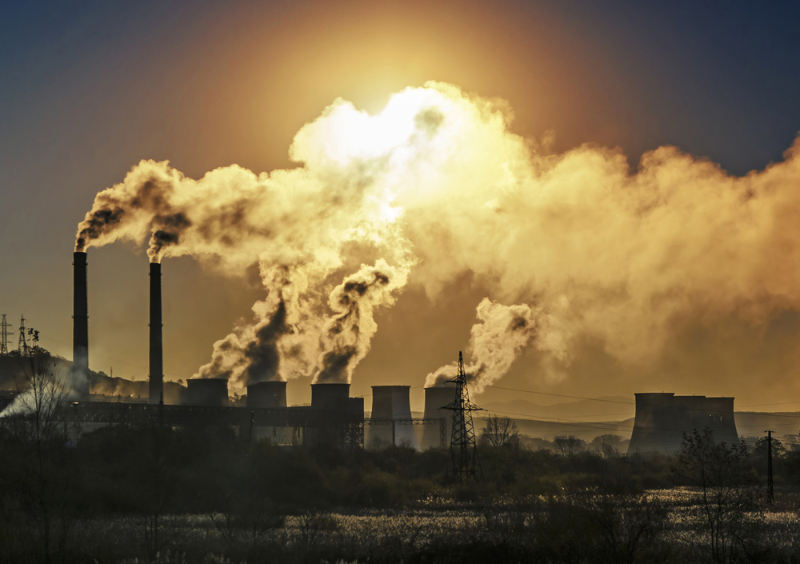
Researchers from the University of California now believe that polluted air—especially in urban areas—may play a major role in triggering lung cancer, even in non-smokers.
DNA Damage Resembles That of Smokers

The mutations found in the lungs of people who’ve never smoked mirror those typically seen in long-term smokers, suggesting air pollution may cause similar cellular damage.
Also read: This Detail Can Reveal Your Parkinson’s Diagnosis Years In Advance
More Pollution Equals More Mutations

The study uncovered a strong correlation: the more air pollution people were exposed to, the more DNA mutations they exhibited in their lung tissue.
Researchers Studied 871 Cancer Cases

Samples from 871 non-smoking lung cancer patients were analyzed and compared to local pollution data. The connection between air quality and cancer mutations became alarmingly clear.
Tiny Particles Pose a Big Threat

The study focused on PM2.5 particles—microscopic pollutants that can lodge deep in the lungs and remain there for years, quietly damaging cells over time.
Air Pollution Is a Global Killer

Unlike smoking, which is a personal choice, air pollution is nearly unavoidable. This makes it a silent, worldwide health threat that affects nearly everyone.
Also read: These 3 Personality Traits Are Common Among Criminals
Young People Are Increasingly Affected

Another disturbing trend: more people under the age of 50 are developing lung cancer, particularly in high-pollution regions, underscoring the urgency of the issue.
Even Top Scientists Are Taking Precautions

Veda Giri, one of the lead researchers, has changed her own lifestyle in response to the findings—adopting a special diet and avoiding pollution as much as possible.
More Global Studies Are on the Way

The research team isn’t stopping here. They’re now planning expanded studies in additional countries to explore the full extent of pollution’s link to lung cancer.
The article is based on information from Illustreret Videnskab
Also read: Grilling Mistakes that Could Burn Down Your Backyard - Avoid Them Now!
Also read: Doctors Stunned: Severe Diabetics Are Now Insulin-Free After This Treatment
This article is made and published by Mie Hermansen, who may have used AI in the preparation.