
Could a common nutrient found in everyday foods help protect your brain from memory loss? New research suggests that copper in the diet may play a bigger role in cognitive health than we once thought—especially as we age.
Copper and the Brain: A Deeper Link
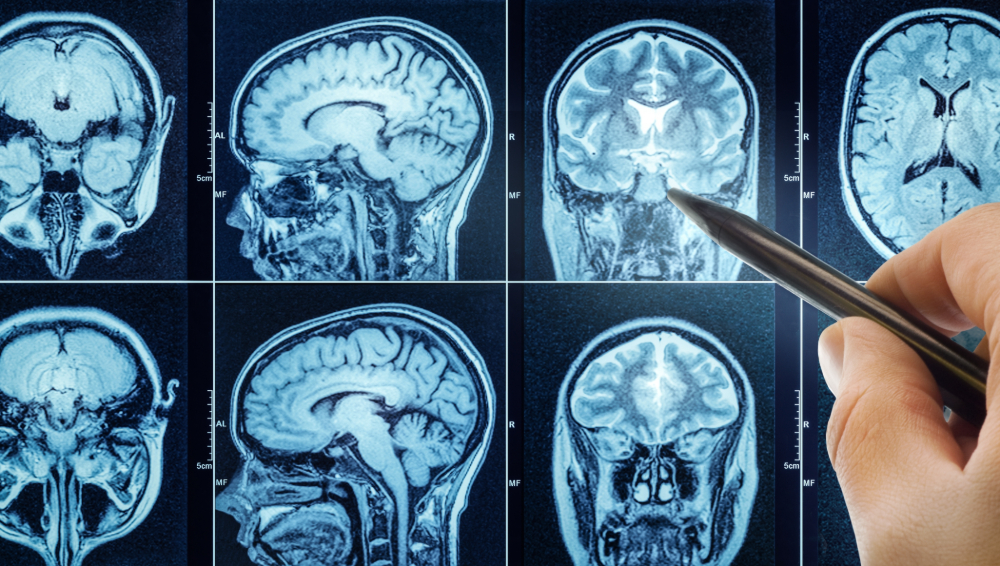
Copper plays a crucial role in brain chemistry, supporting neurotransmitters like acetylcholine, which are essential for learning and memory.
The Sweet Spot Matters

Too little copper can impair brain function—but too much might be harmful. The key lies in finding the right daily balance.
Higher Copper, Sharper Thinking

Older adults with greater dietary copper intake performed better on cognitive tests related to memory, language, and processing speed.
Also read: Therapists Reveal: These Weekend Habits Drain Your Energy the Entire Week
Stroke Survivors Show Strongest Gains

In people who had previously suffered a stroke, the positive link between copper and cognition was even more noticeable—possibly due to its anti-inflammatory effects.
There's a Threshold

Cognitive benefits didn’t continue to rise indefinitely. The improvements leveled off around 1.2 mg of copper per day.
Not All Memory Functions Improved Equally

Tests measuring short-term memory didn’t show the same benefits as those assessing verbal fluency or mental speed.
Healthier Habits, Healthier Minds

Participants with higher copper intake also tended to have healthier lifestyles overall—less smoking and more education and income.
Also read: This Old Sock Hack Will Make Swollen Legs Disappear Overnight
Self-Reported Diets Have Their Limits

The study relied on dietary recall, which may not be 100% accurate. Still, the patterns were strong enough to show clear trends.
Copper Is Helpful—Not a Miracle Cure
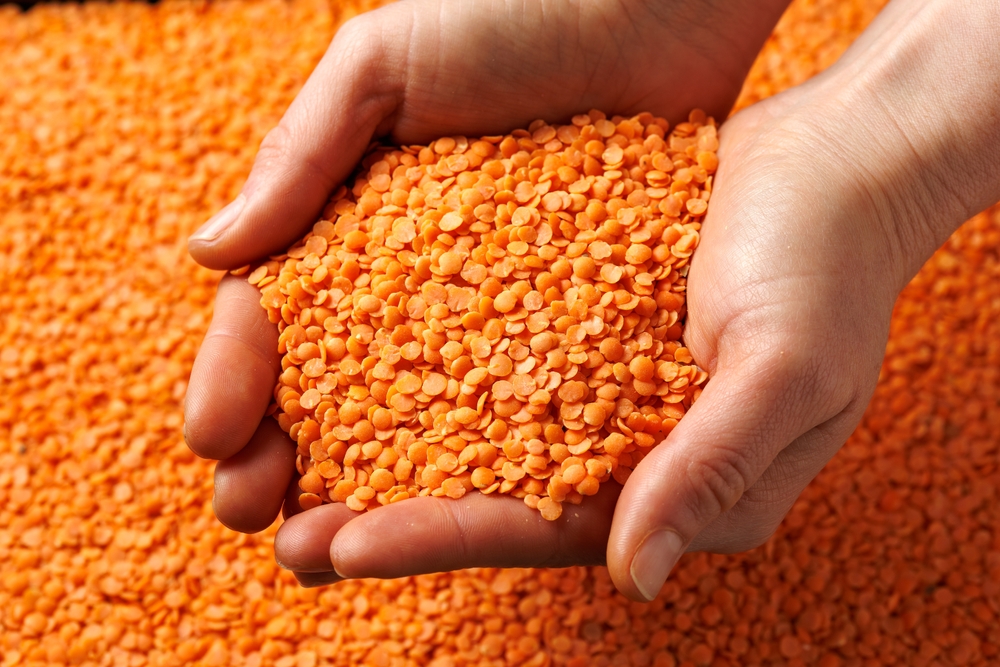
While the findings are promising, copper alone won’t prevent dementia. A balanced lifestyle is still key.
Where to Get Your Copper
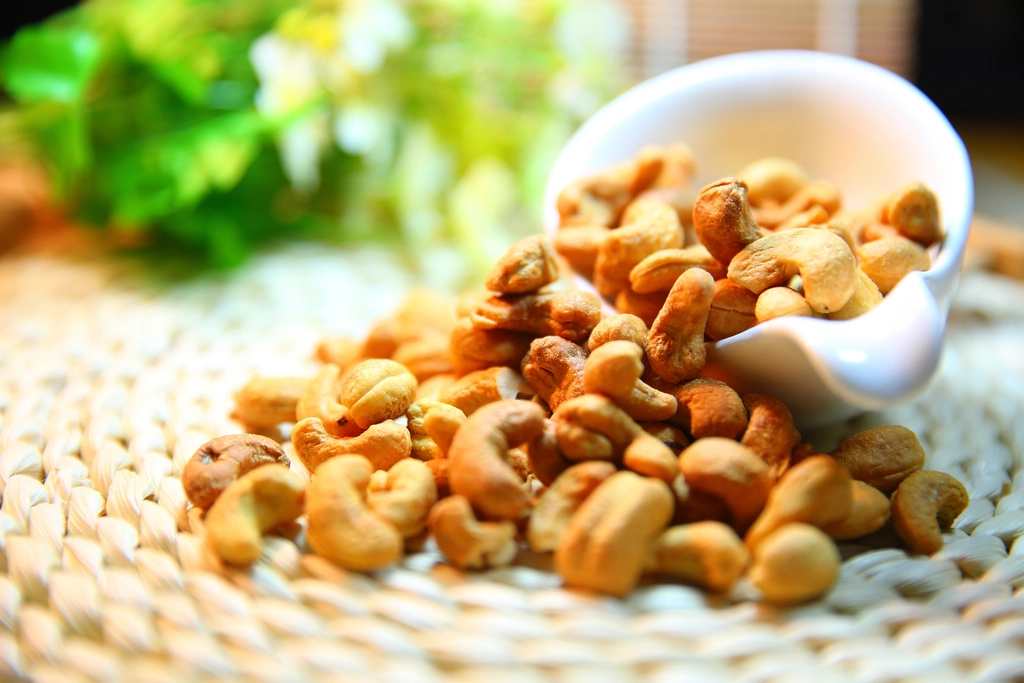
Good sources include nuts, seeds, shellfish, legumes, and whole grains. You don’t need supplements—just smart, varied eating.
This article is based on information from News Medical
Also read: This Invisible Danger Could Give You Lung Cancer – Even If You've Never Smoked
Also read: This Detail Can Reveal Your Parkinson’s Diagnosis Years In Advance
This article is made and published by Mie Hermansen, who may have used AI in the preparation.