
Most people think of endorphins as something you only get from running or working out, but the truth is, there are many simple ways to activate these “feel-good” hormones without stepping foot in a gym.
Experts highlight everyday activities that can instantly lift your mood and create more balance. Here are some easy tricks to bring more joy into your day.
Cold showers for a quick mood lift

Exposing your body to cold water may feel intense at first, but that very shock triggers a rush of endorphins.
Just a few minutes in cold water, or even a short blast of cold in the shower, can leave you more energized and focused.
Also read: Dentists Reveal: How to Take Good Care of Your Teeth
Sing or hum your way to happiness

Your voice can be a powerful tool. Singing or humming stimulates the vagus nerve, creating a calming effect while boosting feel-good chemicals.
Try humming while walking or singing your favorite tune at home to feel the benefits.
Indulge your senses

Tuning into your senses is a natural way to encourage endorphin release.
Watching a sunrise, walking in nature, listening to live music, or savoring a beautiful scent can all spark feelings of awe and joy. The key is to pause and really take it in.
Also read: These Lip Problems Could Be Signs of Hidden Diseases
Enjoy dark chocolate
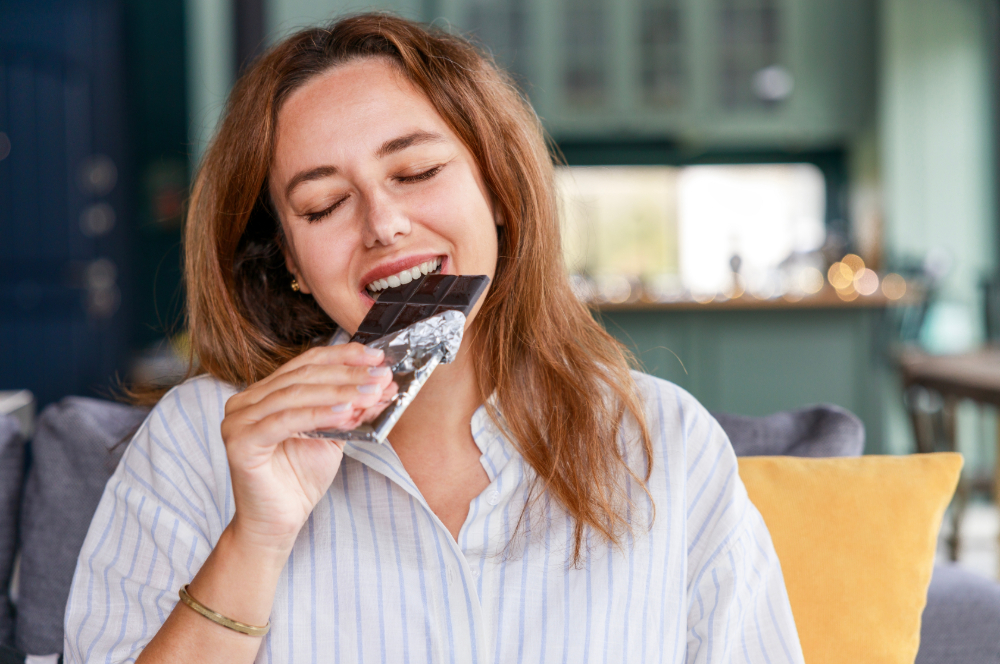
Good news for chocolate lovers: cocoa naturally triggers endorphin release and enhances serotonin.
A small piece of dark chocolate after dinner can act as both a treat and a mood booster.
Acts of kindness

Helping others doesn’t just make them feel good, it lights up your brain’s reward system too.
From holding the door for someone to running errands for a neighbor, small gestures can trigger a wave of endorphins.
Also read: Eat your way to better health: Healing fruits backed by science
Reduce chronic stress

When stress lingers, your body prioritizes survival hormones like cortisol instead of producing endorphins.
By managing stress and creating space for rest, you give your brain the chance to shift back into a feel-good mode.
Prioritize quality sleep
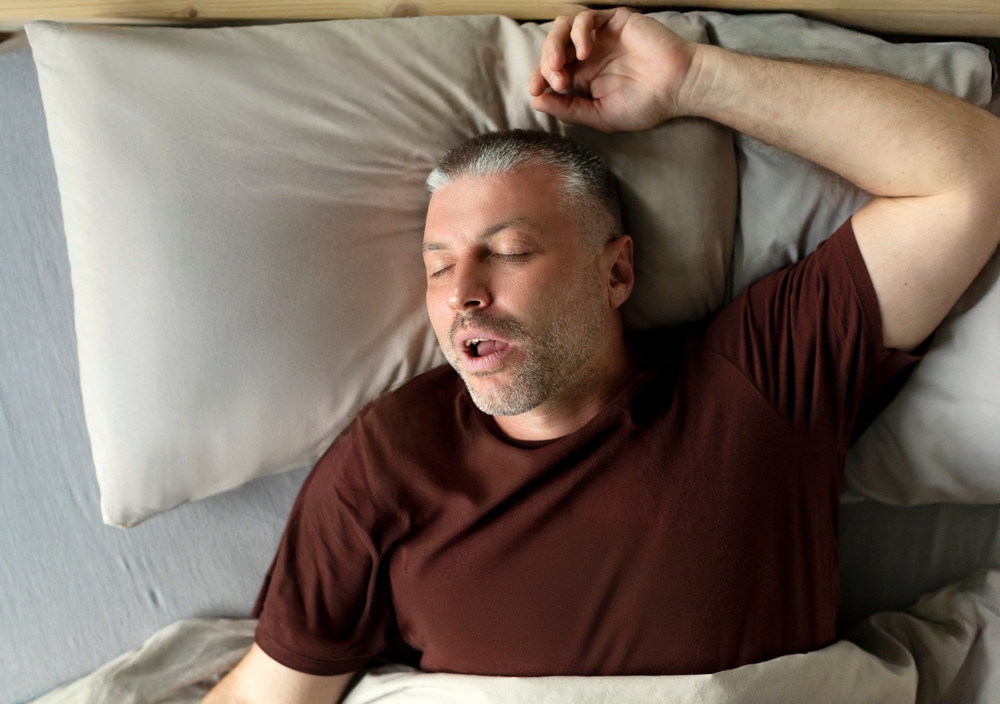
Sleep is essential for healthy brain chemistry. Without enough rest, it becomes harder for your body to generate endorphins.
A steady sleep routine helps set the stage for better mood and energy.
Also read: Astrologers Reveal: These Zodiac Signs Are the Stingiest
Limit overstimulation
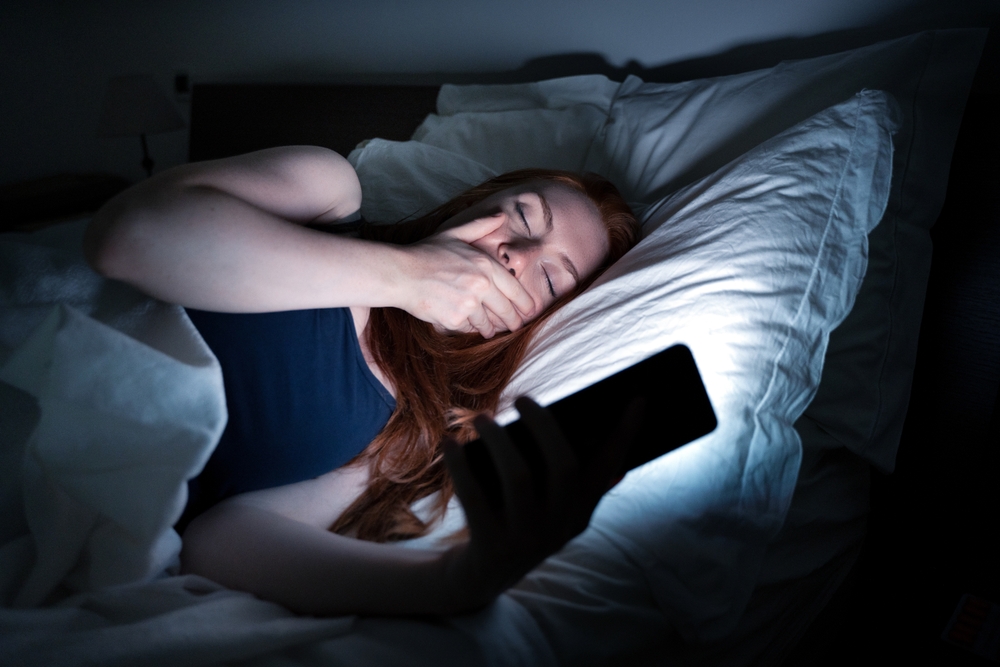
Constant scrolling and multitasking drain your mental energy and increase cortisol.
Taking regular breaks from screens and overstimulation makes it easier for your body to release endorphins naturally.
Be mindful with alcohol

While alcohol may feel like an instant mood lifter, the long-term effect is the opposite.
Overconsumption reduces your body’s ability to produce endorphins, leaving you feeling depleted. Cutting back helps restore balance.
Also read: What’s the best way for men to pee – sitting or standing?
Stay hydrated and eat well

Simple habits like drinking enough water and eating nourishing foods can support healthy endorphin production.
When your body is fueled properly, your brain has a better foundation for joy and emotional balance.
This article is based on information from Real Simple.
This article is made and published by Ida-Marie Palm Varbæk, who may have used AI in the preparation.