
Cola often gets the blame when it comes to tooth damage, but dental experts say the truth is more complex. Some fruity sodas may actually do even more harm to your enamel.
Cola is not the biggest culprit
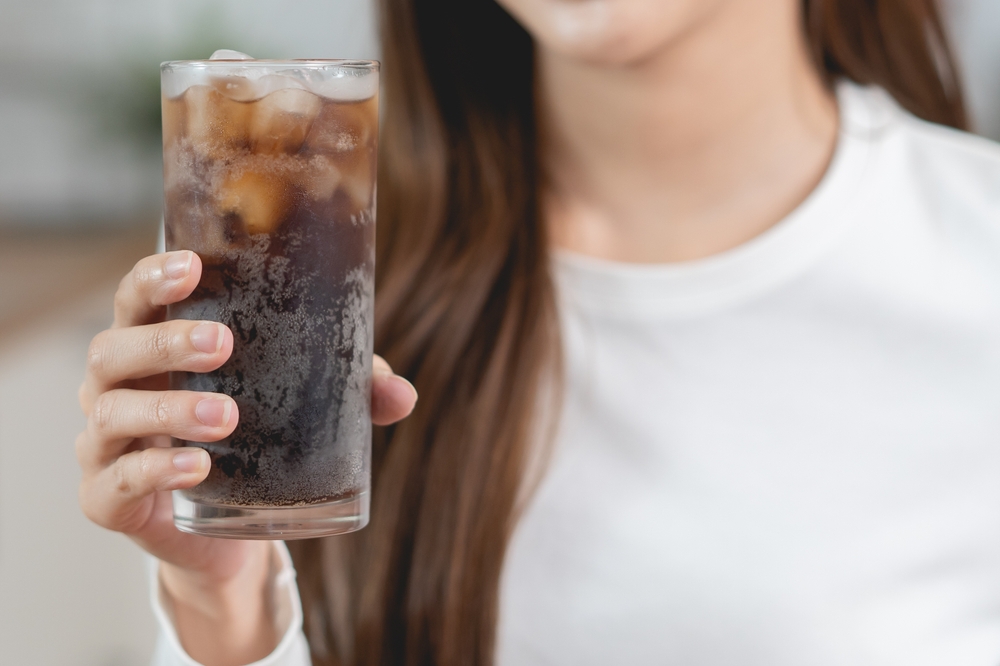
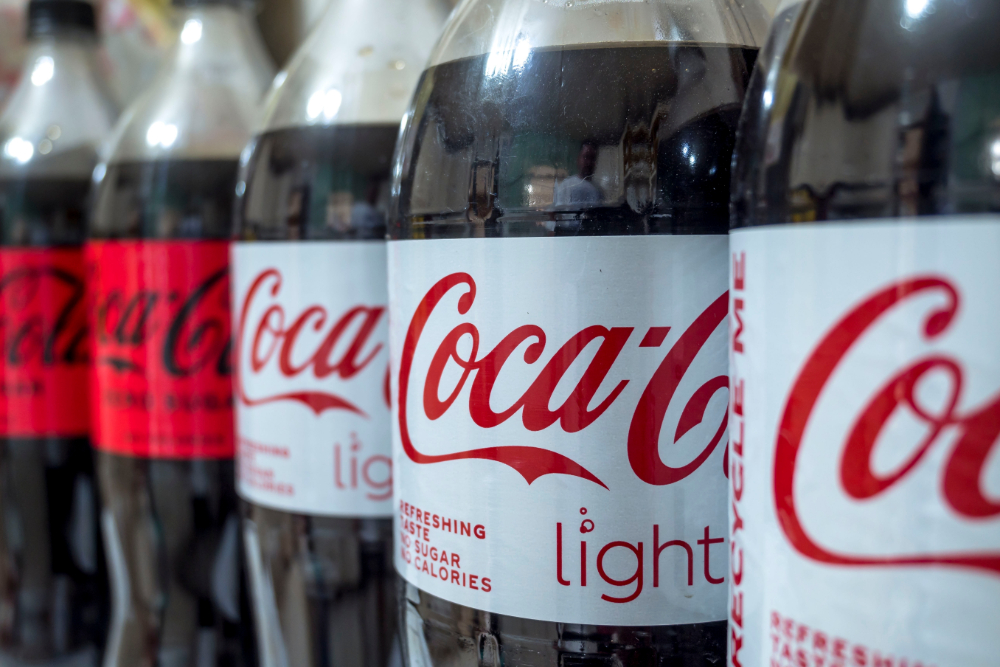
Despite its bad reputation, cola does not necessarily cause more tooth erosion than other fizzy drinks.
Citric acid is harsher than phosphoric acid
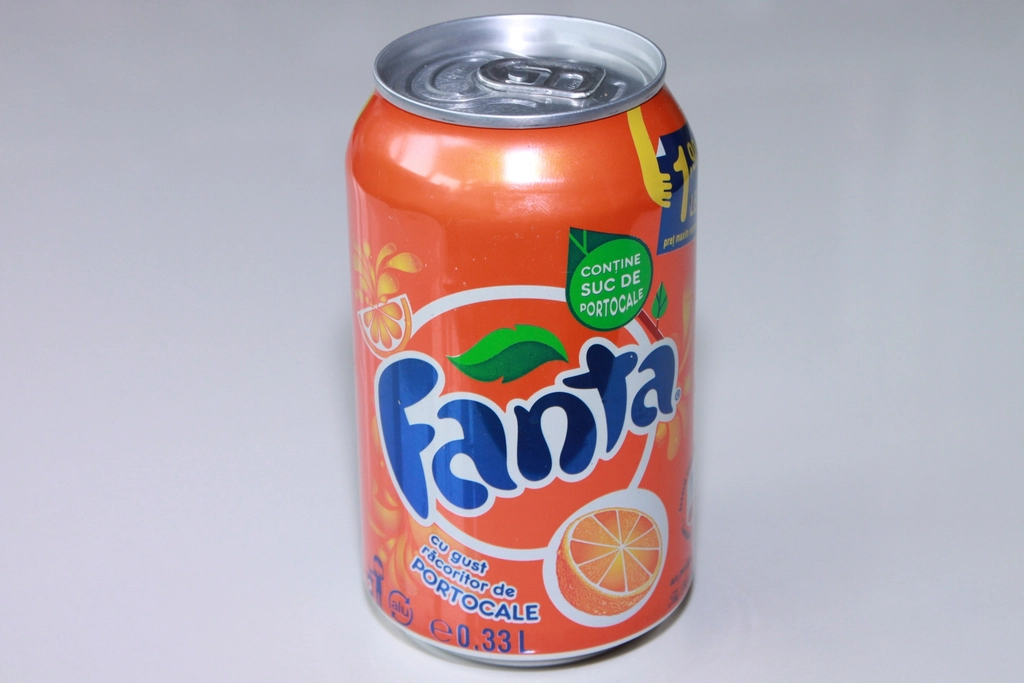
Citrus-based sodas often contain citric acid, which is far more damaging to enamel than the phosphoric acid found in cola.
Buffer capacity matters most
It’s not just the pH level that counts. A drink’s buffer capacity determines how long acids linger in the mouth and how much harm they can cause.
Also read: Do GLP-1 drugs shrink your muscles? Here’s what the science says
Fanta vs. cola
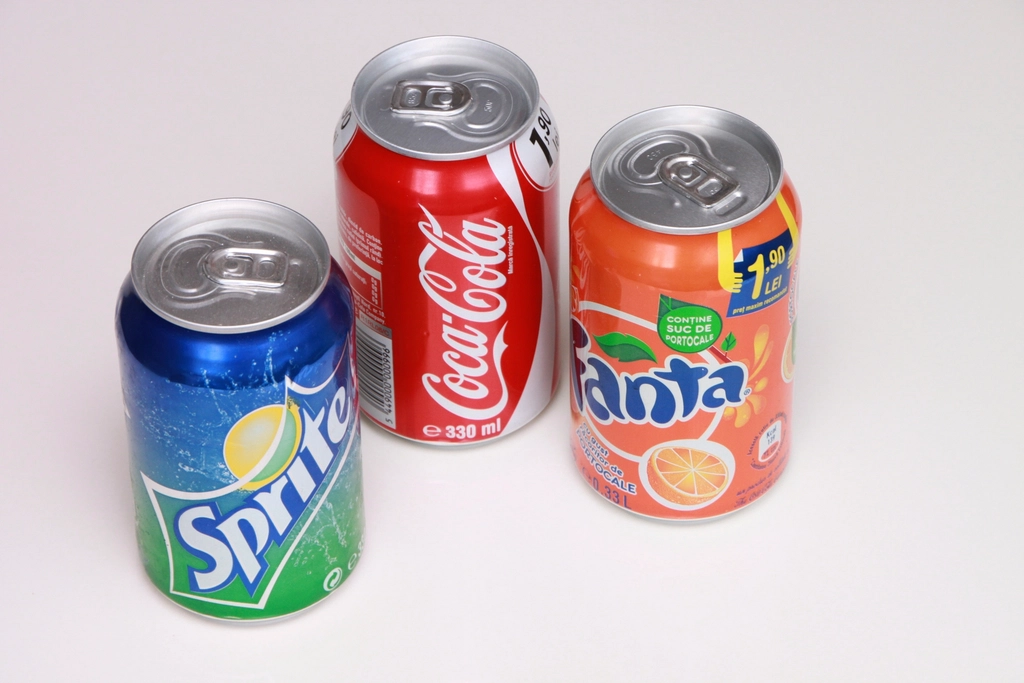
Although both have a pH of around 2.6, Fanta’s citric acid keeps the pH low for longer, making it more erosive than cola.
Sugar-free doesn’t save you
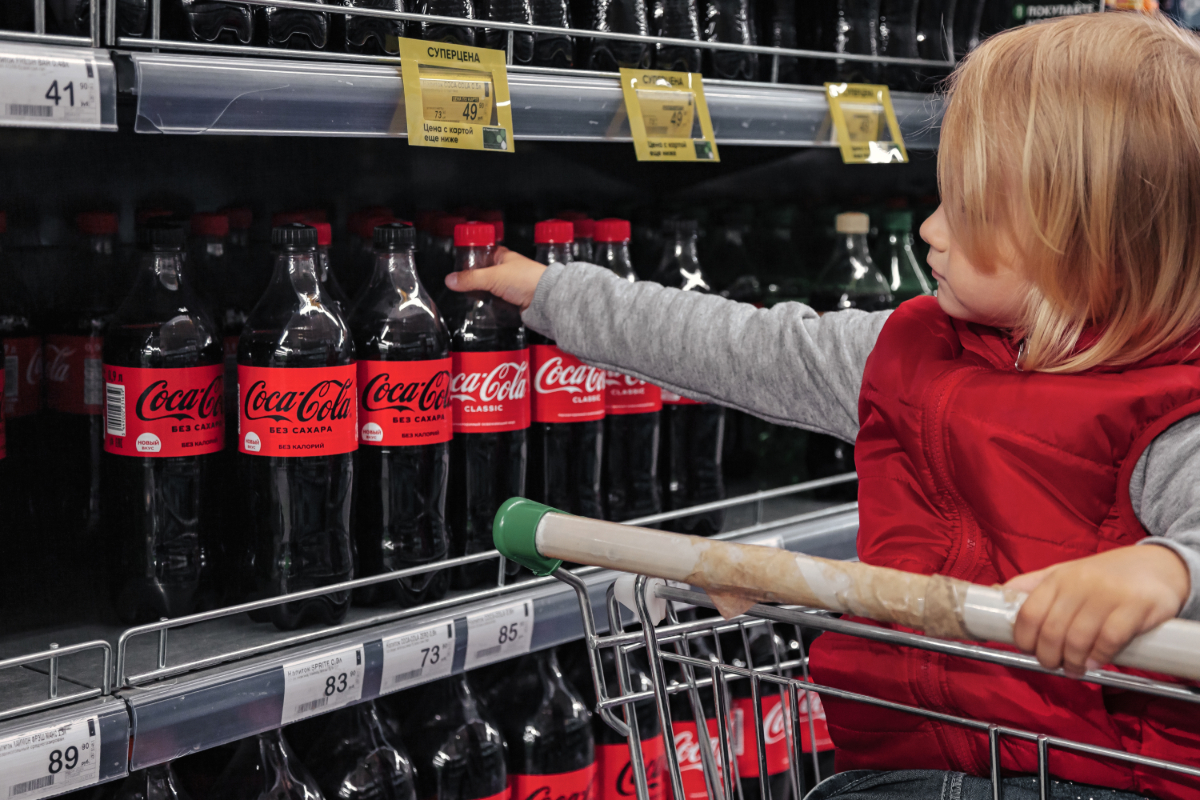
Choosing diet soda doesn’t protect enamel. Even without sugar, the acids still attack your teeth.
Juice isn’t innocent either
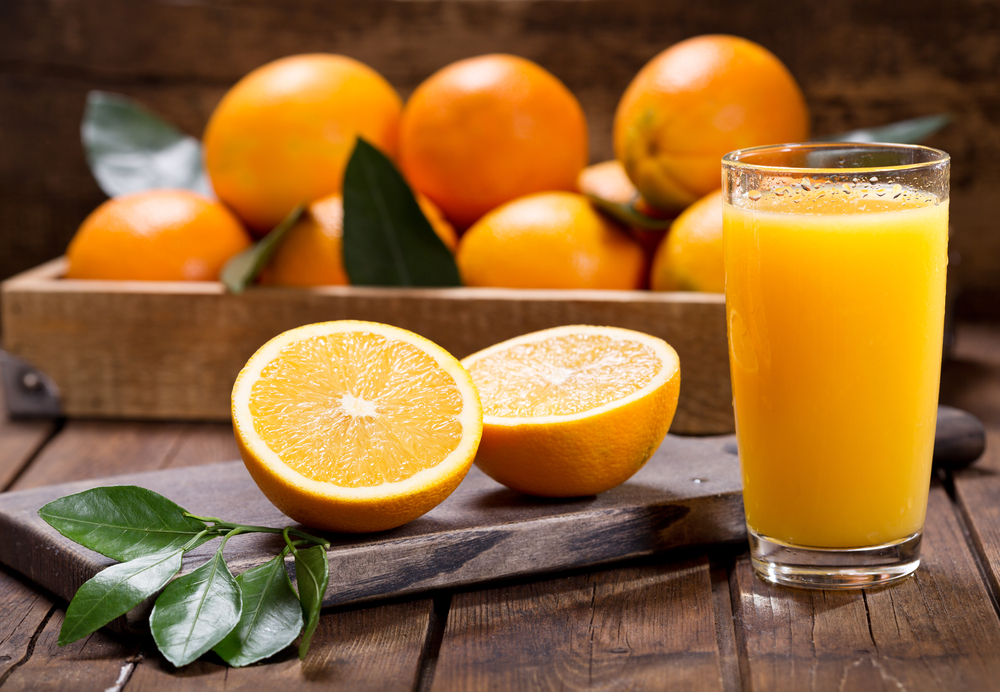
Fruit juices, especially those with citrus, can erode enamel just as much – or even more – than a cola.
Carbonation isn’t the enemy
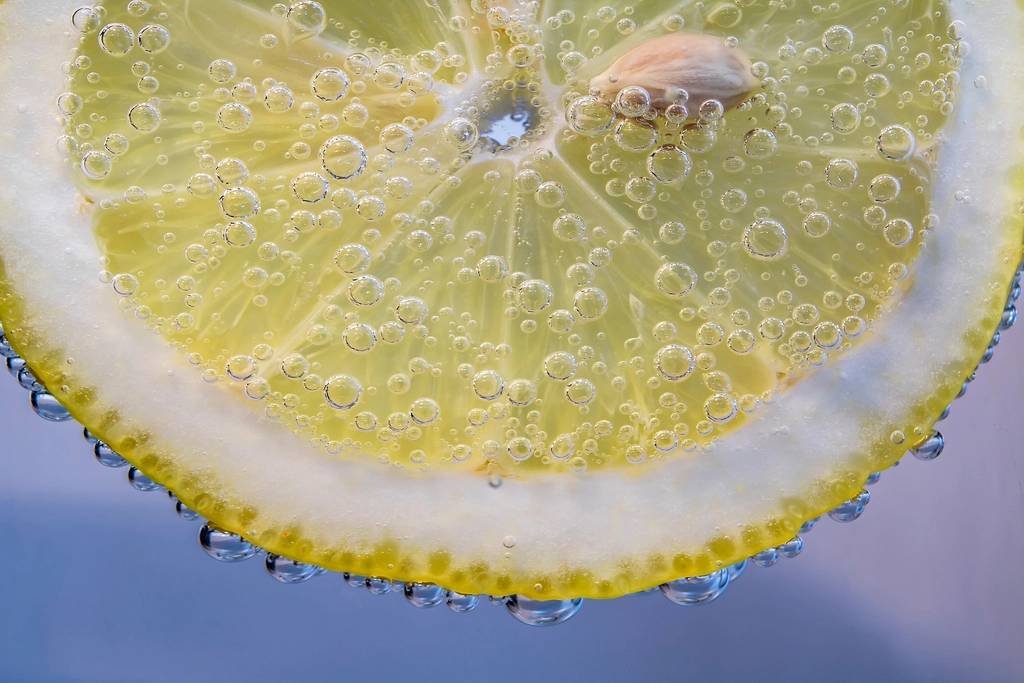
The bubbles themselves are not the problem. It’s the acids and flavorings that lower pH and damage teeth.
Also read: New mosquito repellent protects for up to a year – and could save millions worldwide
Flavored sparkling water is risky
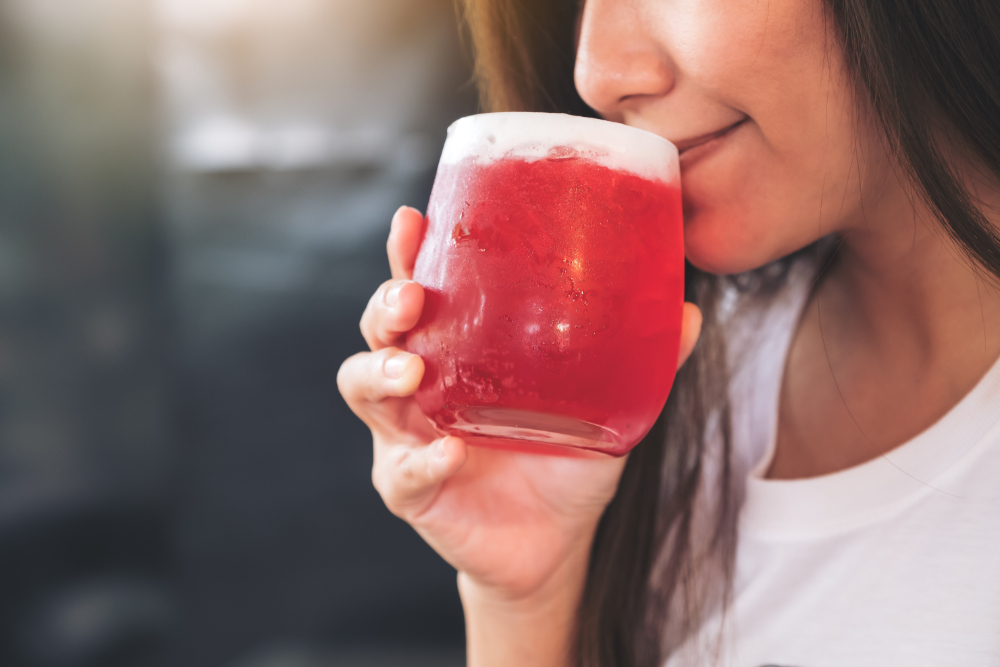
Even lightly flavored sparkling waters can have a lower pH, raising the risk of acid erosion.
Rinse with water afterwards
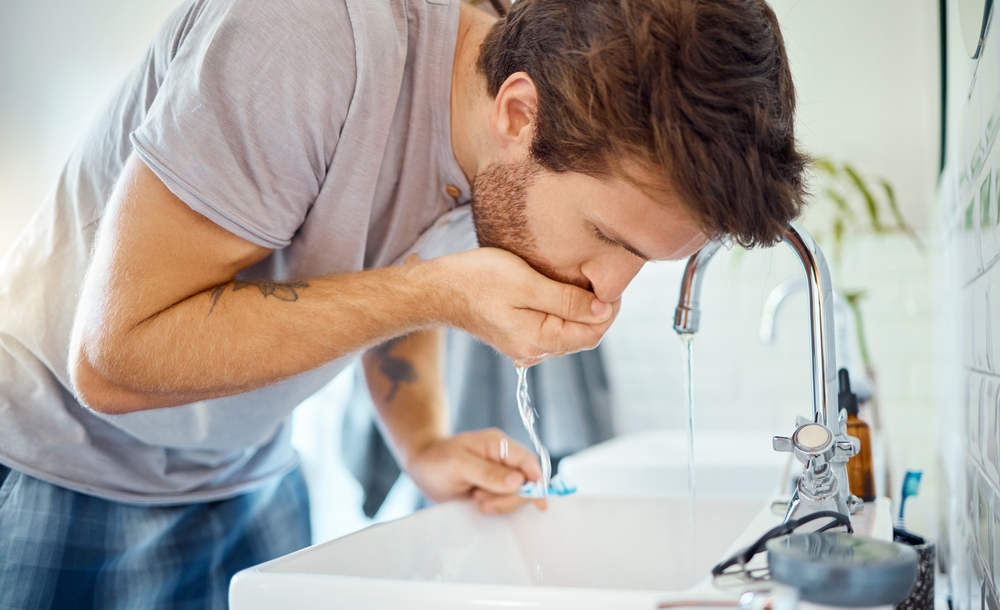
A simple way to reduce the damage is to rinse your mouth with water after drinking soda or juice.
Use straws the right way

Drinking through a straw placed at the back of your mouth helps limit contact between the drink and your teeth.
Don’t swish it around
Holding or swishing soda in your mouth before swallowing only prolongs acid contact and increases enamel erosion.
Also read: Dentist Reveals the Most Common Mistake That Ruins Toothbrushing
Article based on information from IFORM
Also read: These Are the Most Common Errors With Electronic Health Devices
This article is made and published by Mie Hermansen, who may have used AI in the preparation.