
Your gut does far more than just digest food, it helps fight inflammation, keeps your energy levels up, and supports your overall well-being.
But many of us unknowingly sabotage it with daily habits. Here’s the surprising ways you might be harming your gut without realizing it.
Chronic stress

Stress doesn’t just affect your mind, it directly impacts your digestive system.
Stress hormones can slow digestion, alter gut movement, and disrupt the balance of bacteria.
Also read: Love Breakfast Buffets? These Classics Could Be Filled With Bacteria
Over time, this can increase the risk of “leaky gut” and widespread inflammation.
Poor sleep

Your gut microbes follow circadian rhythms just like you. When you sleep poorly or inconsistently, these natural cycles are disrupted.
This can reduce healthy bacteria, allow harmful ones to thrive, and make the gut lining more vulnerable.
Eating the same foods repeatedly

Even if you’re eating “healthy,” a lack of variety can damage your gut health. A diverse diet fuels a diverse microbiome, which is key to a strong digestive system.
Also read: The Connection Between Hydration and Mental Pressure
Simply adding a new fruit or vegetable each week can make a difference.
Avoiding carbs
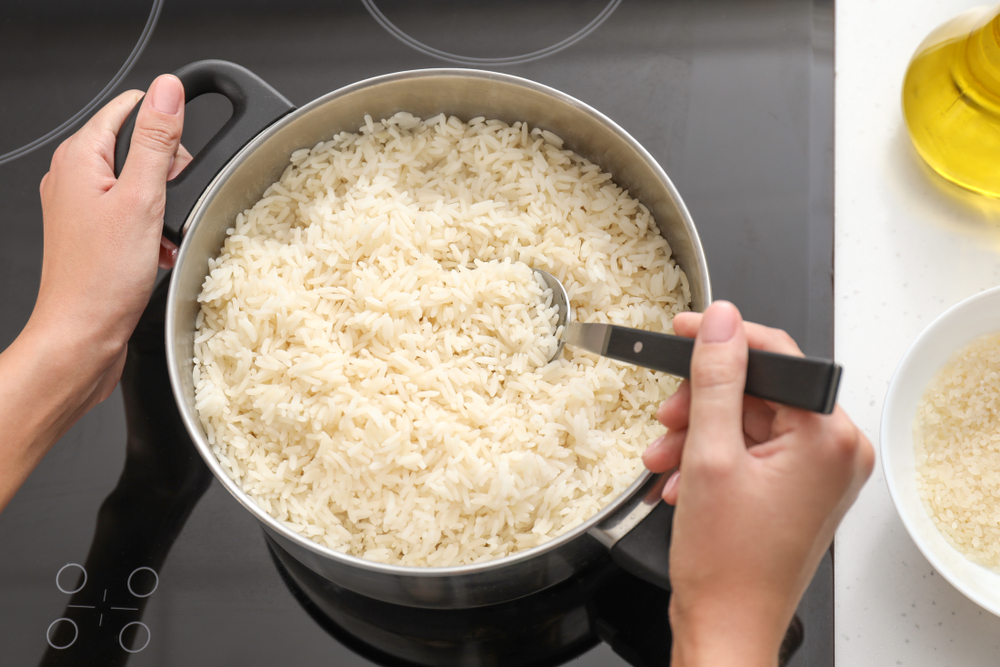
Carbs have a bad reputation, but your gut needs them. Complex carbohydrates feed the beneficial bacteria that keep your microbiome balanced.
Cutting them out completely can deprive your gut of essential nutrients.
Excessive medication use

Frequent use of antibiotics and painkillers like ibuprofen can harm your gut lining.
Also read: Tingling Fingers? It Might Be a Hidden Sign of Vitamin Deficiency
Over time, this weakens its protective barrier, increases inflammation, and shifts the microbiome toward harmful bacteria.
Irregular sleep schedule

It’s not just about how much you sleep but also when.
Constantly changing your bedtime confuses your body and your gut bacteria, reducing the efficiency of your digestive system.
Low fiber intake
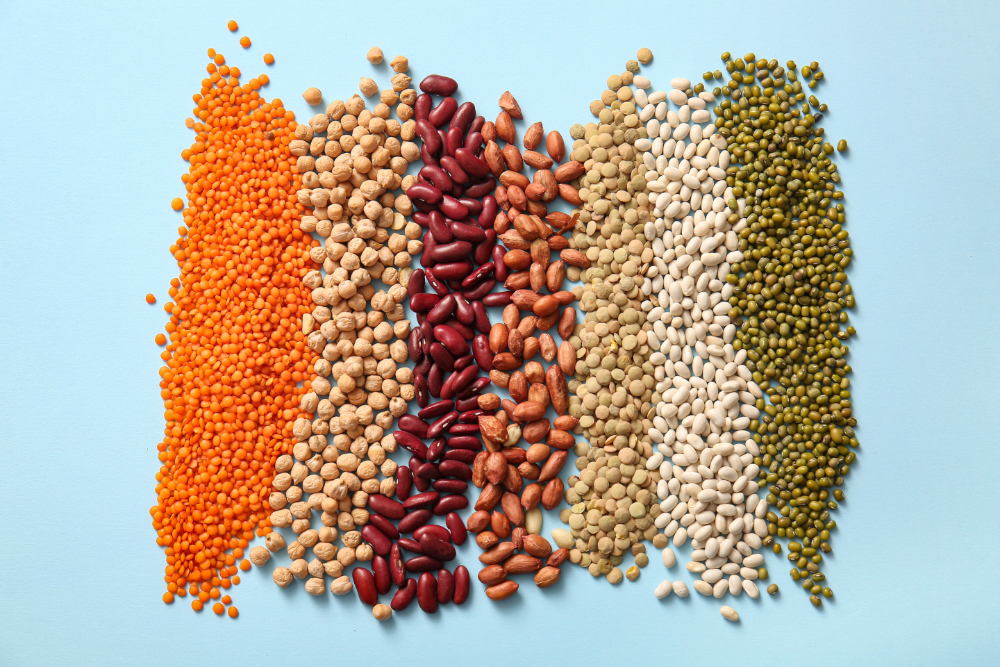
Without enough whole grains, legumes, and vegetables, your gut bacteria don’t get the fuel they need.
Also read: 7 medications that don’t mix well with herbal te
This reduces microbial diversity and makes your gut more vulnerable to imbalance.
Relying on quick fixes
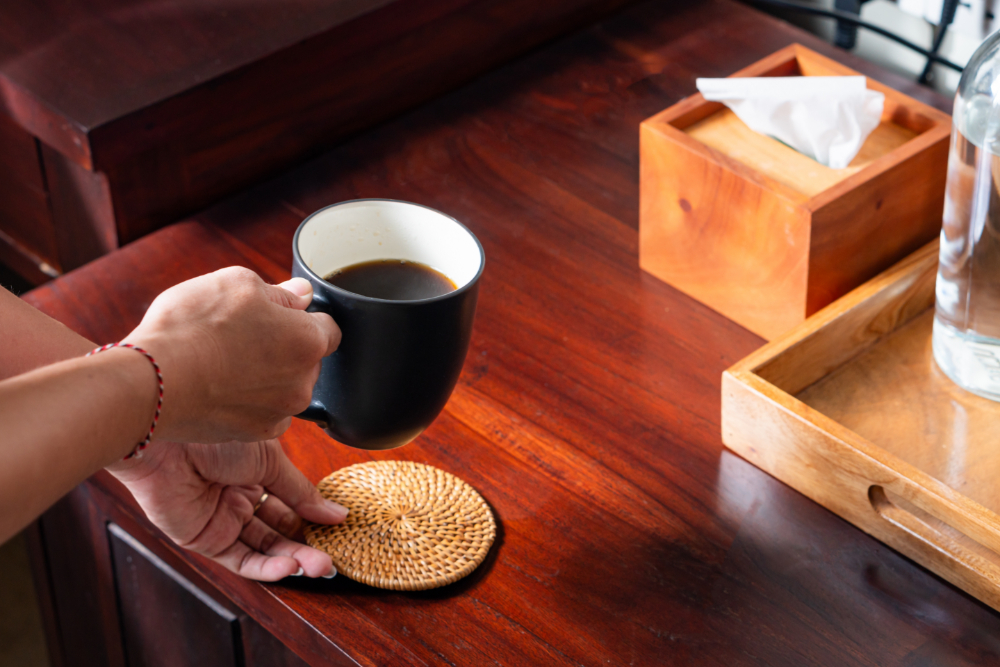
Too much caffeine or sugar may give a temporary boost, but they can stress your digestive system and feed harmful bacteria instead of the good ones.
Ignoring your body’s signals

Regularly ignoring the urge to use the bathroom can disrupt your gut’s natural rhythm.
Over time, this can cause digestive discomfort and negatively affect the balance of bacteria.
Also read: 6 myths about cholesterol you should stop believing, according to dietitians
Neglecting mental health

Your brain and gut are deeply connected. Poor mental health can reflect in digestive issues, while supporting your mental well-being helps your gut stay balanced and resilient.
This article is based on information from Real Simple.
This article is made and published by Ida-Marie Palm Varbæk, who may have used AI in the preparation.