
Waking up with numb hands or feeling a tingling sensation in your fingers during the day can be both uncomfortable and worrying.
While it is sometimes caused by posture or temporary pressure on the nerves, it can also be a sign of deficiencies in essential vitamins and minerals.
Here are the most common causes you should be aware of.
The key to healthy nerves

Vitamin B12 is crucial for the nervous system. A deficiency often leads to numbness and tingling in the hands and feet.
Also read: 7 medications that don’t mix well with herbal te
Other symptoms can include fatigue, weakness, balance issues, and “brain fog,” where it becomes difficult to think clearly.
Why older adults are at higher risk

As we age, the body’s ability to absorb vitamin B12 decreases.
This makes older adults more vulnerable and often in need of a higher daily intake to prevent deficiencies.
Animal products is the only natural source of B12

Vitamin B12 is found exclusively in animal-based foods such as meat, eggs, poultry, and dairy.
Also read: 6 myths about cholesterol you should stop believing, according to dietitians
The challenge for vegetarians and vegans

Following a strict plant-based diet makes it nearly impossible to get enough B12 without supplements or fortified foods.
After weight-loss surgery

People who have undergone bariatric surgery often struggle to absorb vitamin B12 properly, putting them at higher risk of deficiency and related symptoms such as numbness.
Chronic illnesses and absorption issues

Conditions like celiac disease or Crohn’s disease can interfere with nutrient absorption, which can also lead to a lack of B12 over time.
Folate (B9) deficiency and nerve problems

A long-term deficiency in folate can cause neurological issues, including numbness in the hands, as well as general nervous system weakness.
Also read: Aging Accelerates After 50, Study Finds - Here’s How to Fight Back
The importance of vitamin E

Although rare, vitamin E deficiency can damage nerves. This usually occurs in people who have difficulty absorbing fat from their diet.
Calcium and nerve signals
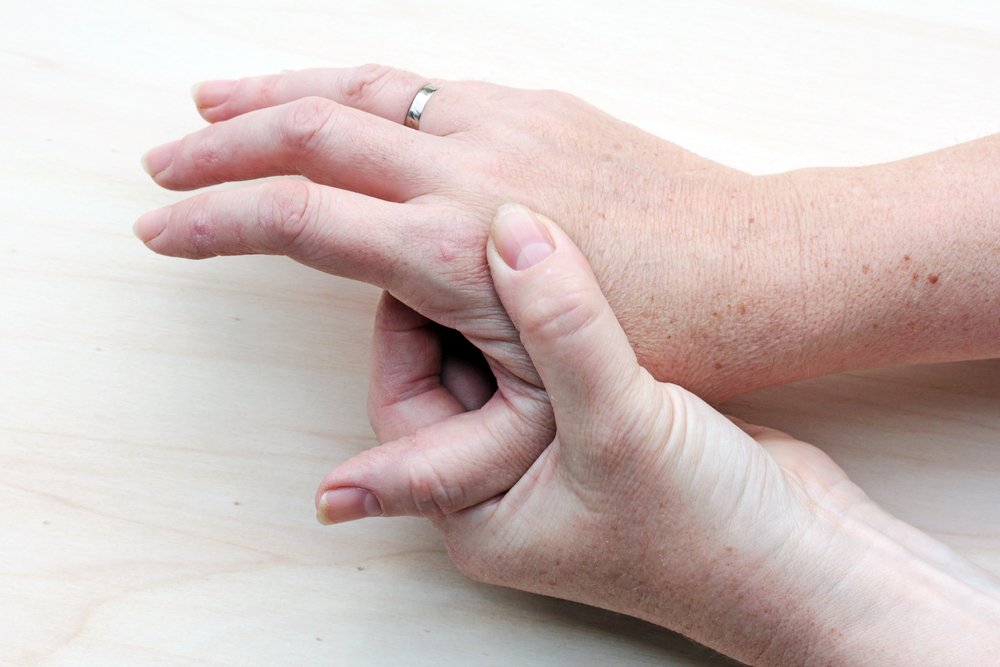
Calcium plays a vital role in transmitting nerve impulses. Too little calcium in the body may result in tingling or numbness in the hands and fingers.
When to see a doctor

Since hand numbness can be caused by many different conditions, it is important to consult a doctor if the symptom persists.
A simple blood test can reveal whether a vitamin deficiency is the root cause.
Also read: Morning habits that can help lower your blood pressure
This article is based on information from Manodaktaras.lt.
Also read: New Study Reveals: These 3 Exercises help You Sleep Better
This article is made and published by Ida-Marie Palm Varbæk, who may have used AI in the preparation.