
Brown rice is often praised as a healthy staple, but when it comes to fiber, there are actually far better options.
Here are some nutrient-dense foods that all beat brown rice in fiber content, while also bringing flavor and variety to your diet.
Lentils
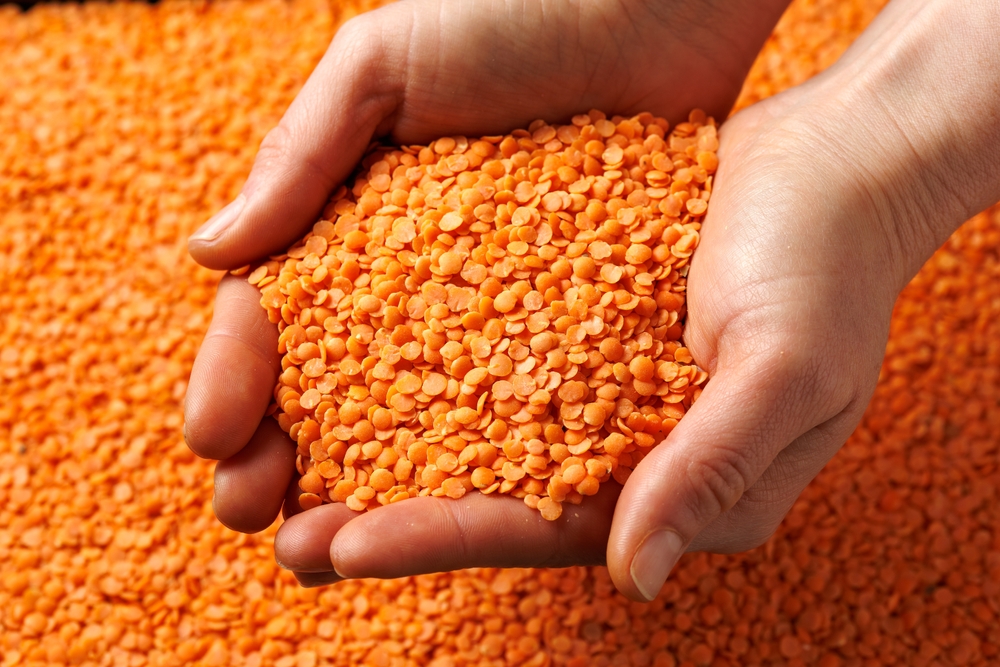
Lentils are fiber powerhouses with around 8 grams of fiber per half-cup, which is four times more than brown rice.
They’re easy to cook and perfect in soups, salads, or as a base in vegetarian meals.
Also read: Experts say your vitamins work best if you take them at this time
Chickpeas
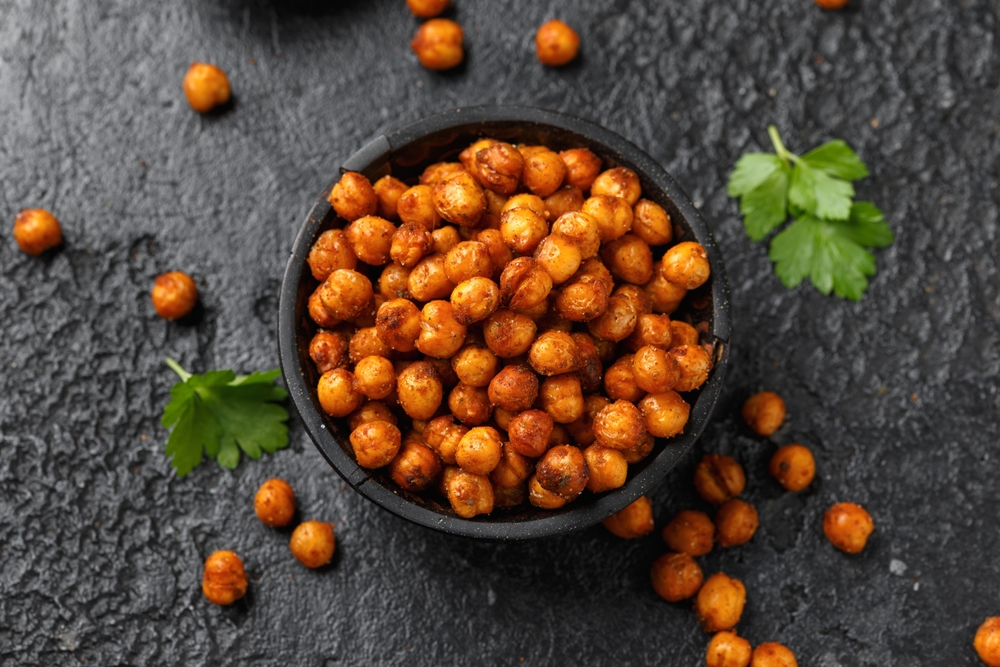
Chickpeas contain about 6 grams of fiber per half-cup and are both filling and versatile.
Use them in hummus, stews, or roast them crispy in the oven for a healthy snack.
Kidney beans
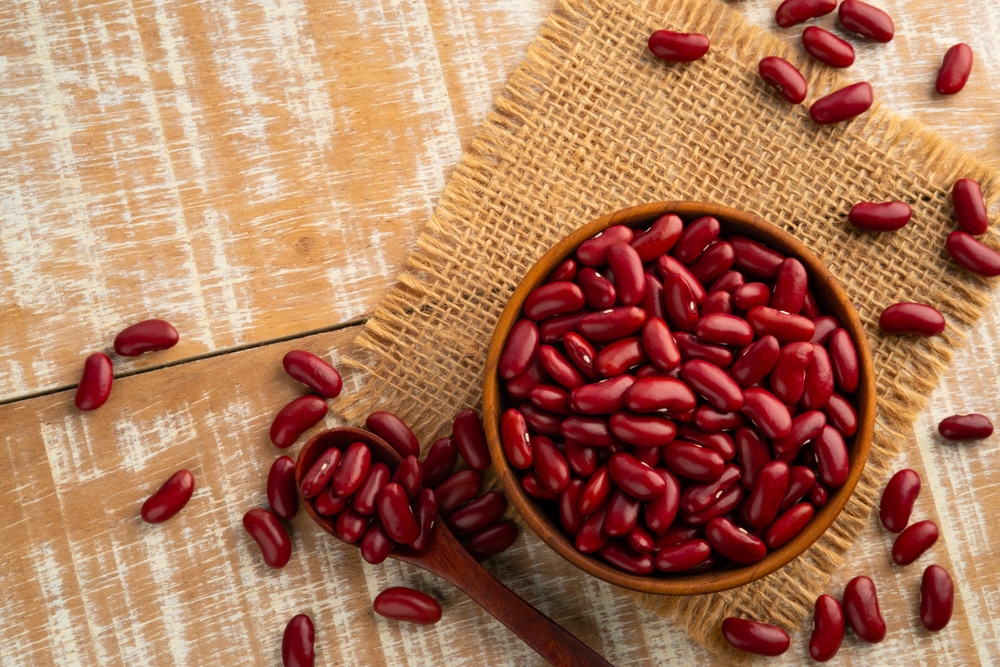
With around 7 grams of fiber per half-cup, kidney beans are a fantastic way to boost your fiber intake. They're great in chili, salads, or wraps.
Green peas
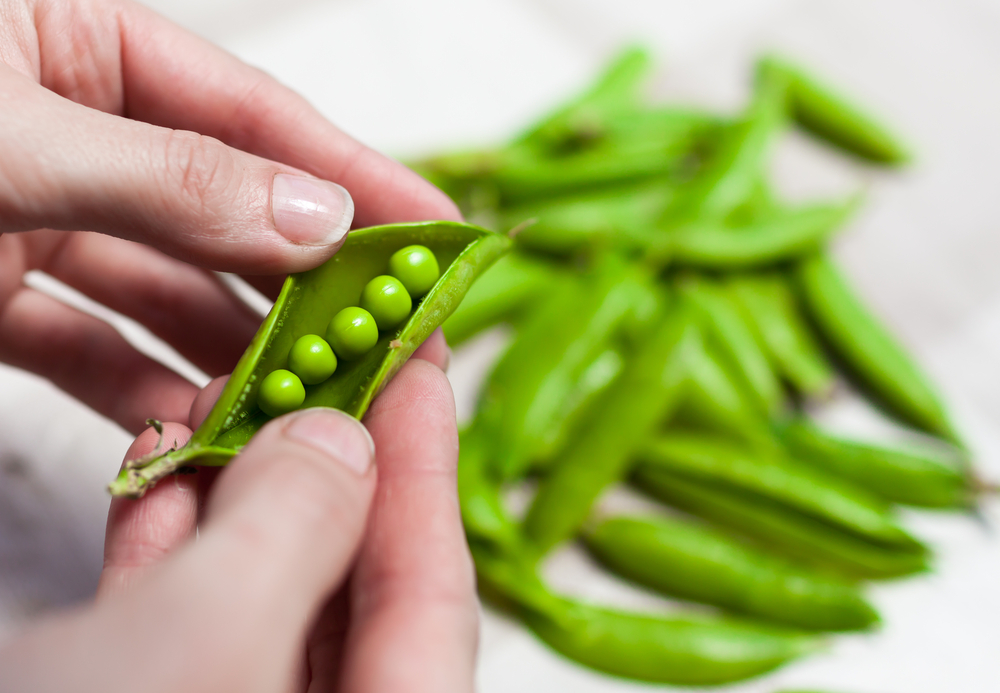
Green peas aren’t just sweet and tasty, they also pack about 4 grams of fiber per half-cup. They're great as a side dish or mixed into pasta and risotto.
Also read: Daily Behavior that Could Be Harming Your Gut
Broccoli
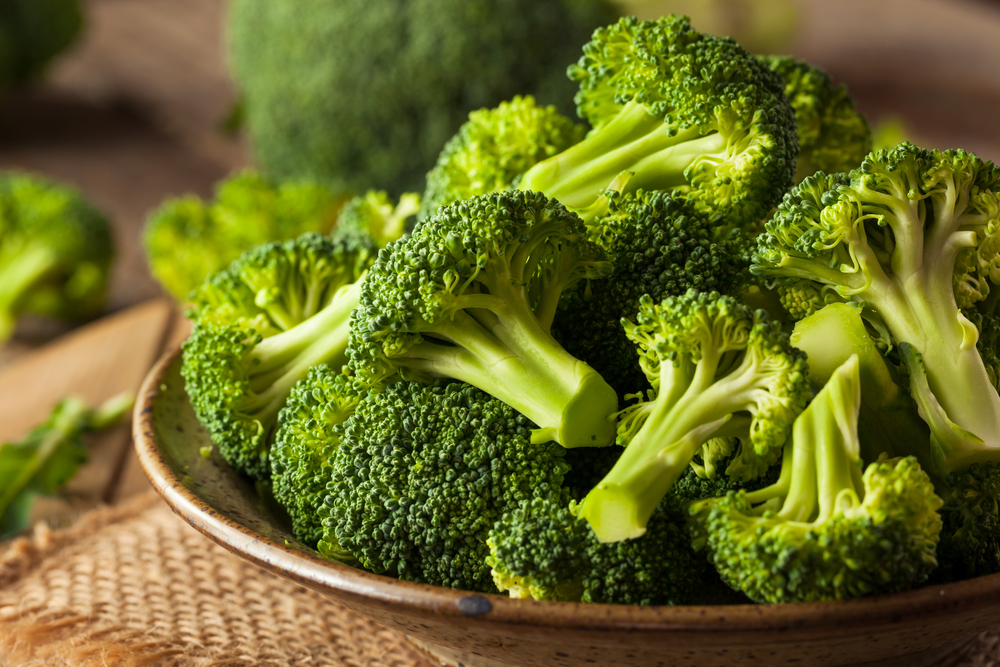
Broccoli is a high-fiber vegetable with about 5 grams per cooked cup. Rich in antioxidants and vitamins, it tastes great steamed, roasted, or raw in salads.
Avocado
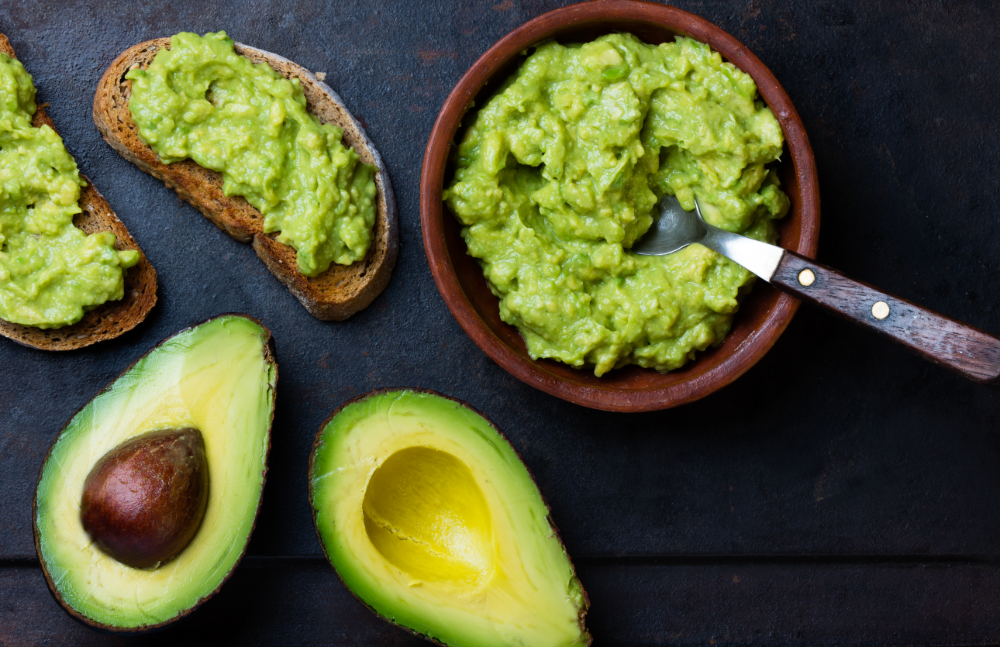
Avocados have around 5 grams of fiber per half fruit and combine healthy fats with a high fiber content. Use them in sandwiches, salads, or make creamy guacamole.
Raspberries
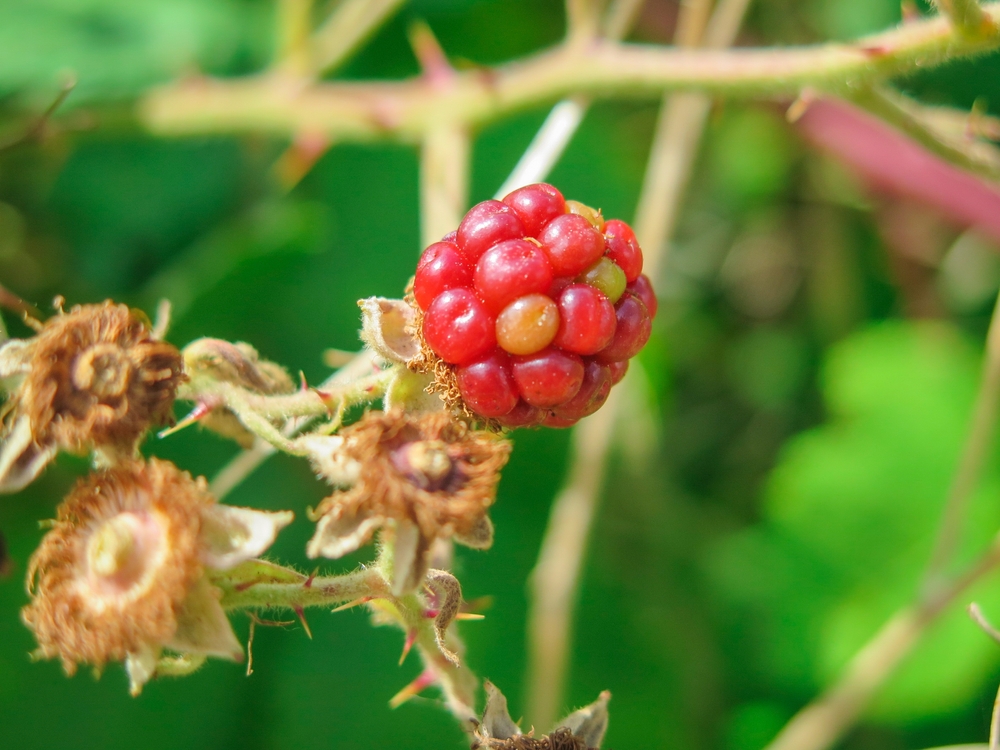
Raspberries are among the highest-fiber fruits, with a whopping 8 grams per cup. They're perfect in breakfast bowls, smoothies, or as a sweet snack.
Whole grain bread (real)
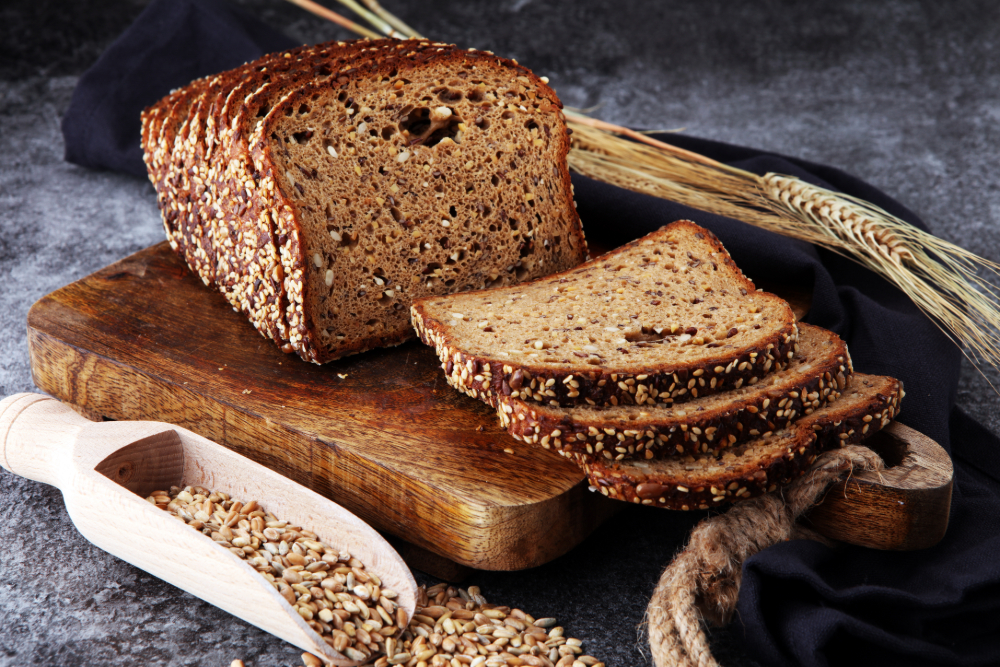
Real whole grain bread made from 100 % whole wheat contains around 4 grams of fiber per slice.
Also read: Love Breakfast Buffets? These Classics Could Be Filled With Bacteria
It’s an easy and filling way to boost your fiber intake, especially for breakfast or lunch.
Quinoa
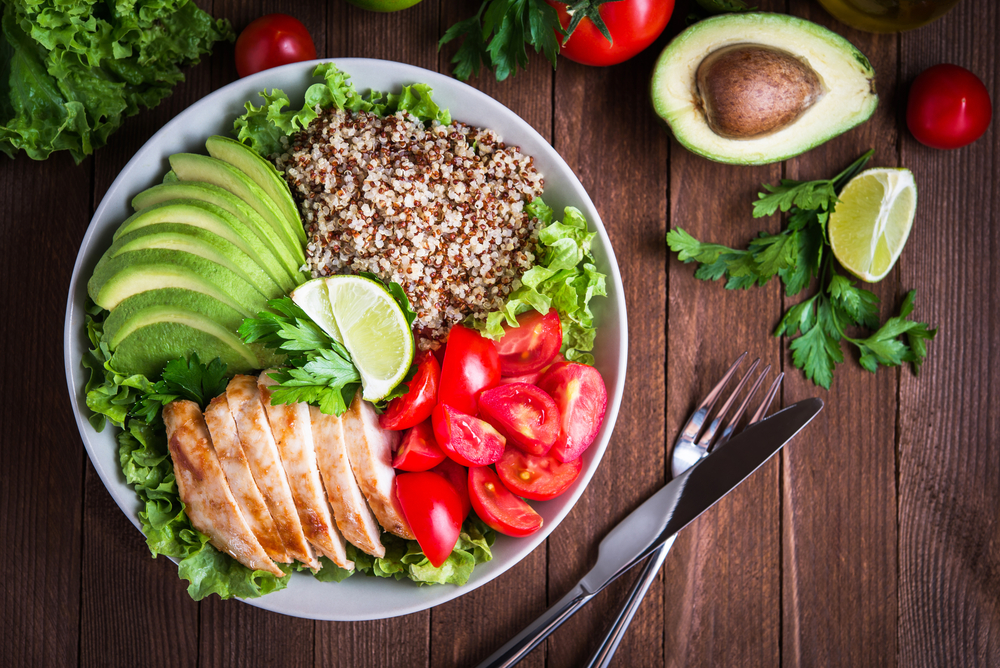
Quinoa has about 5 grams of fiber per cooked cup and serves as a protein-rich, gluten-free alternative to rice.
Its nutty flavor makes it a hit in both salads and warm dishes.
Cauliflower
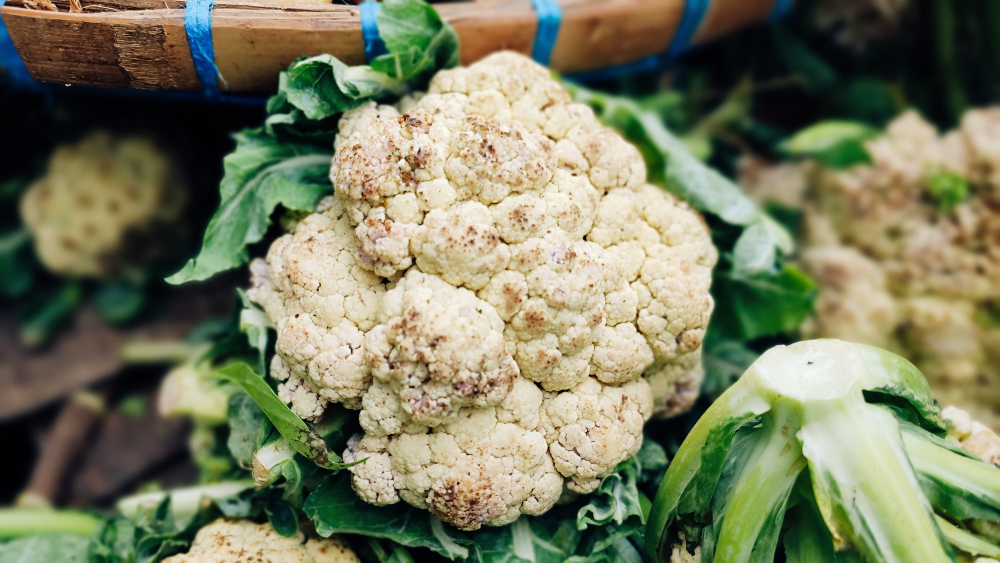
Cauliflower contains around 3 grams of fiber per cooked cup and is low in calories.
Also read: The Connection Between Hydration and Mental Pressure
It can be riced as a "cauliflower rice", baked as a pizza crust, or mashed as a potato alternative.
This article is based on information from Healthy.walla.co.il.
Also read: Tingling Fingers? It Might Be a Hidden Sign of Vitamin Deficiency
This article is made and published by Ida-Marie Palm Varbæk, who may have used AI in the preparation.