
Many people take vitamins and minerals daily, but did you know that timing and combinations can make all the difference? Here’s how to get the most out of your supplements.
Iron works best with vitamin C

Taking iron with fruit or juice enhances absorption, while dairy products can block it.
Skip iron at breakfast
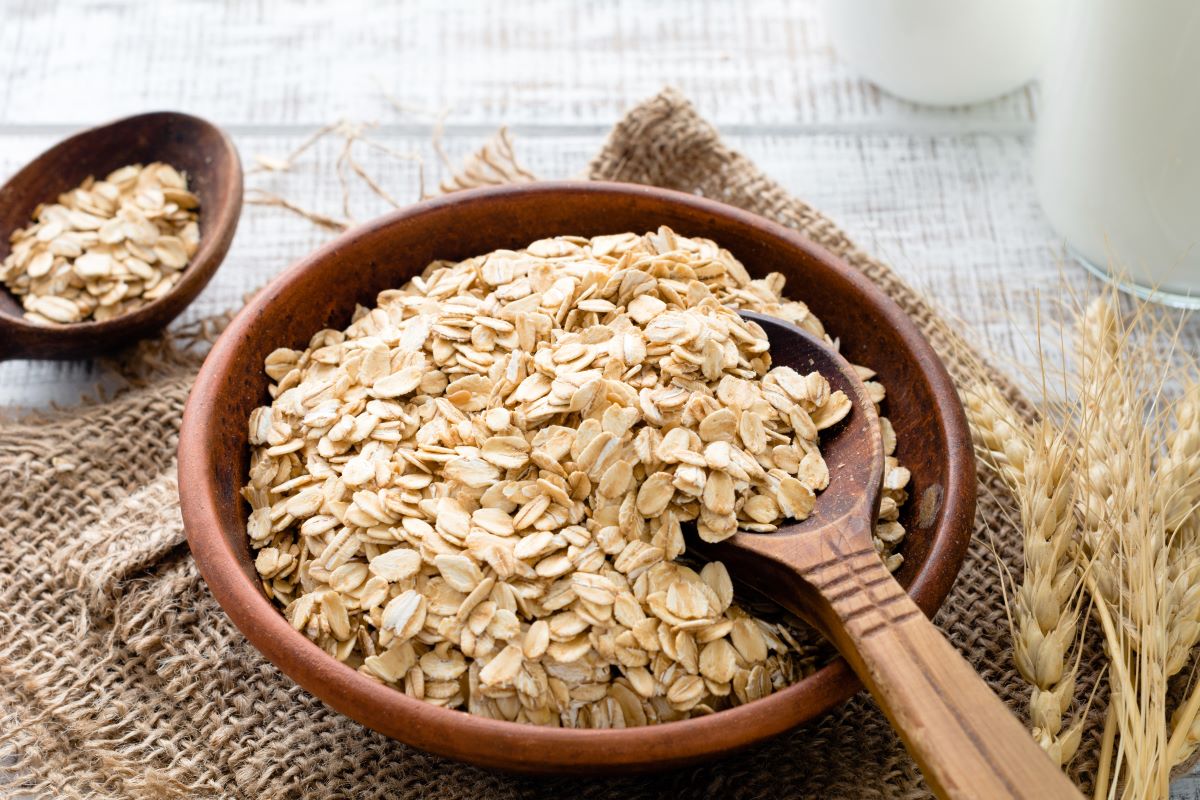
Pairing iron with milk and cereal is ineffective. Take it later in the day with something fresh and rich in vitamin C.
Fat-soluble vitamins need fat
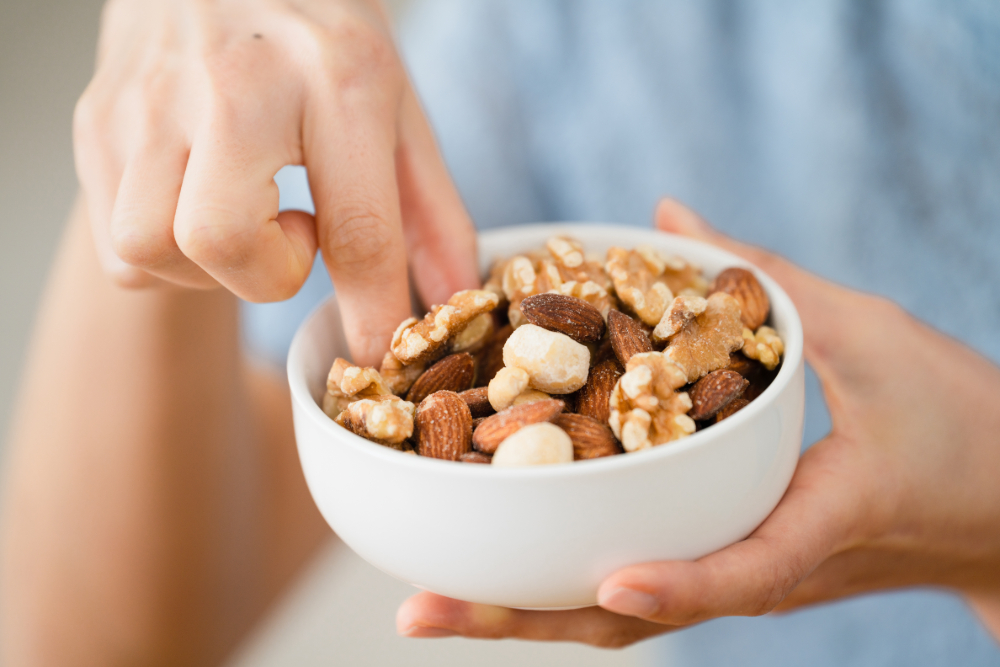
Vitamins A, D, E, and K require fat to be absorbed, so combine them with a meal or a handful of nuts.
Also read: Daily Behavior that Could Be Harming Your Gut
Don’t just swallow with water

Simply washing fat-soluble vitamins down with water won’t work. Always include a source of healthy fat.
Calcium needs partners

For calcium to reach the bones, your body also needs magnesium and vitamin D. Combination supplements can be a good choice.
Best time for calcium

Taking calcium after dinner supports absorption because stomach acid levels are higher.
Split larger doses

The body can only absorb so much calcium at once. If you take more than 400 mg daily, divide it into two servings.
Also read: Love Breakfast Buffets? These Classics Could Be Filled With Bacteria
Iron and calcium don’t mix

These two minerals compete in the body, so take them at different times of the day.
Think in combinations

Magnesium boosts calcium, vitamin C boosts iron — planning your supplements with these synergies improves results.
A habit worth refining

With just a few adjustments, your supplements can shift from being wasted tablets to powerful health boosters.
This article is based on information from Netdoktor
Also read: The Connection Between Hydration and Mental Pressure
Also read: Tingling Fingers? It Might Be a Hidden Sign of Vitamin Deficiency
This article is made and published by Mie Hermansen, who may have used AI in the preparation.