
It’s not the wrinkles or grey hairs that define how well you're aging, it’s how well your body moves.
From strength to balance, these quick at-home assessments can give real insight into your physical condition.
Here are some signs that may reveal more than you think about your longevity and fitness.
Timed Up and Go test

This test assesses your mobility and fall risk. Sit in a chair, stand up, walk 10 feet, turn around, walk back, and sit down.
Also read: Can Processed Food Be Healthy? Here's What the Experts Say
If it takes more than 12 seconds, it may indicate an increased fall risk which is a major concern for aging adults.
Stand on one leg for 10 seconds

It may sound easy, but balancing on one leg can say a lot about your overall physical health.
Adults over 50 who can’t manage this for 10 seconds may face twice the risk of dying within 10 years, according to research.
Sitting and rising test

This test checks balance, strength, and flexibility. Sit down on the floor and stand back up with as little support as possible.
Also read: Is this the beginning of a cure for autism? New findings spark global hope
Start with 10 points, and subtract for every body part you use for help. A score under 7.5 may indicate higher risk of death from natural causes.
30-second chair stand test

This measures lower-body strength. Sit in a chair with arms crossed and stand up as many times as possible in 30 seconds.
Fewer than 12-14 reps (depending on age and sex) could suggest reduced strength and a higher fall risk.
How steady is your balance?

Poor balance increases fall risk which is the leading cause of fatal injuries in older adults.
Also read: Doctor's Advice: These Mistakes Can Ruin the Effect of Ozempic and Wegovy
If you struggle to stay upright during these tests, it's a warning sign worth taking seriously.
Maintaining muscle mass
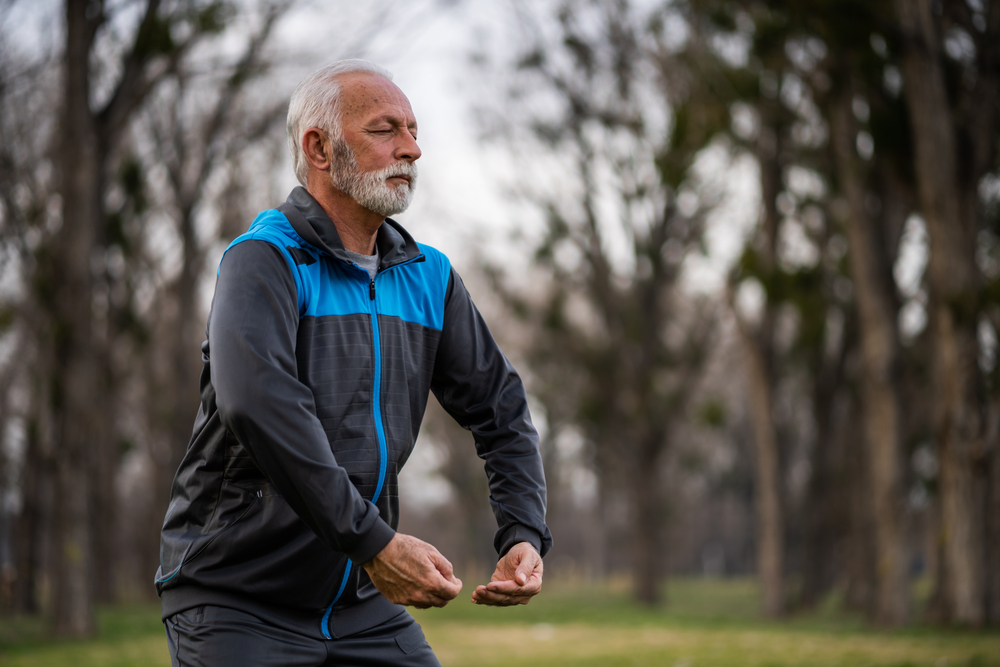
Muscle mass naturally declines with age, and these tests reveal just how much strength you still have.
Weak performance is a strong sign you need to work on rebuilding muscle.
Energy levels during testing
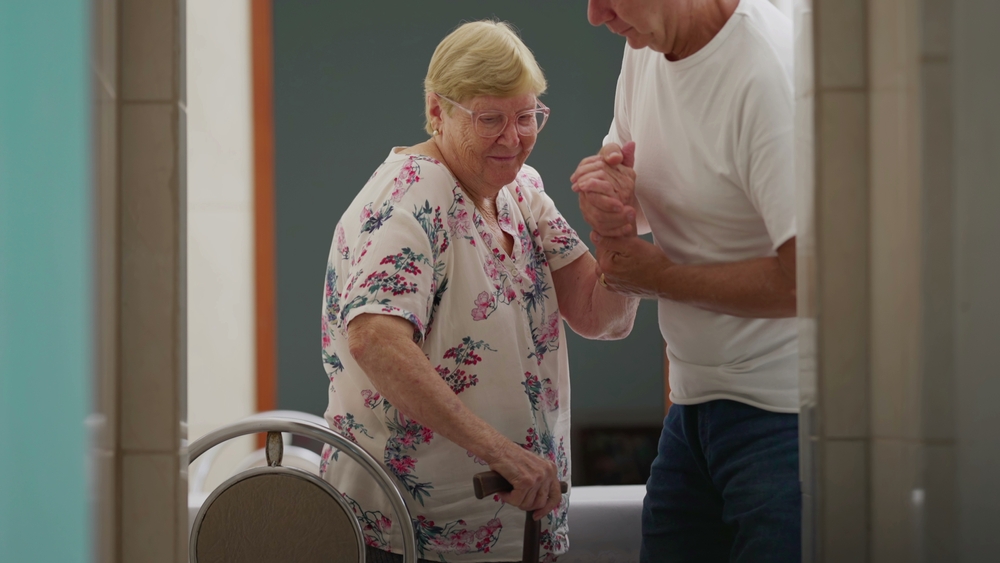
If you feel winded or exhausted after just a few movements, it may indicate lower fitness and energy levels, both important markers of healthy aging.
Also read: Ditch your reading glasses: New eye drops could change everything
Getting on and off the floor
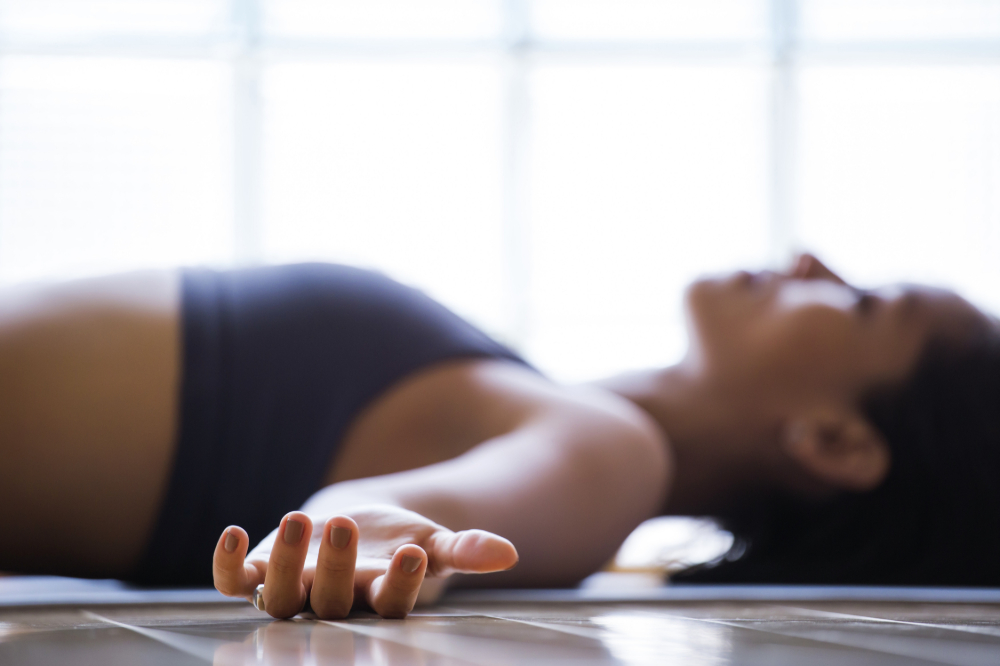
Your ability to move smoothly between standing and sitting positions reflects real-life mobility. Struggling here suggests a need for improved flexibility and strength.
Poor results aren’t the end

If these tests seem hard, don’t panic. Instead, treat the results as motivation.
Take them to your doctor and develop a plan to improve strength, balance, and coordination.
Exercise is the best medicine

The great news? Most age-related declines are fixable. Regular exercise, whether guided or solo, can reverse many physical limitations, and may even help you live longer.
Also read: A Doctor Reveals Why Weight Loss Is So Hard
This article is based on information from Health.com.
This article is made and published by Ida-Marie Palm Varbæk, who may have used AI in the preparation.