
Menopause is something every woman goes through, yet no two experiences are alike. For some, it passes quickly and quietly; for others, it lingers for years. Here’s what really happens inside the body — and how experts explain the stages of this life transition.
Menopause Comes in Three Stages
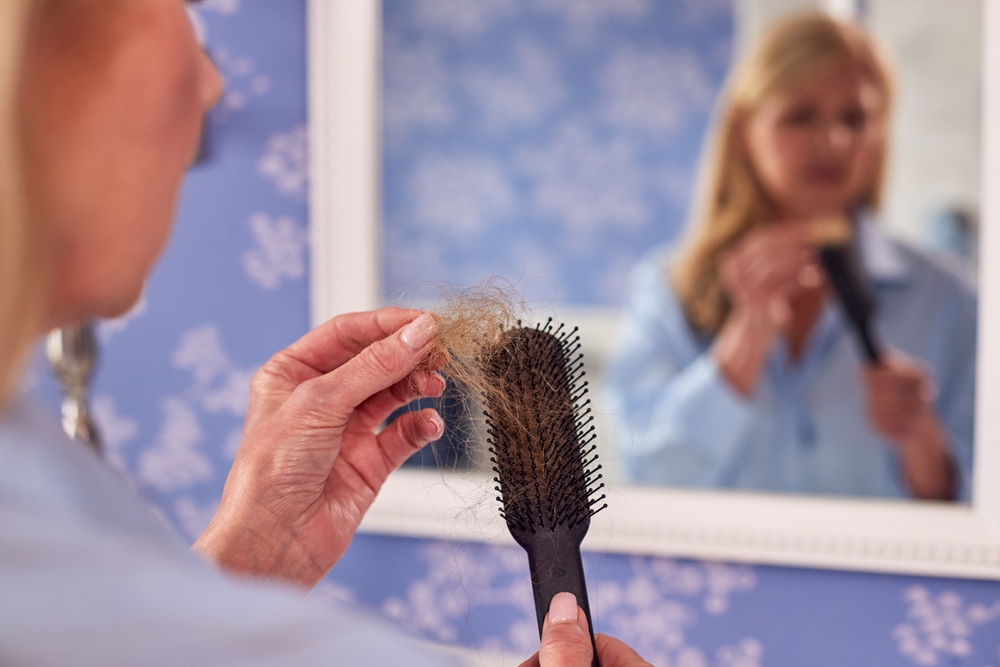
What most people call “menopause” is actually three distinct phases: the transition before it (perimenopause), menopause itself, and postmenopause — which lasts for the rest of your life.
The Body Begins to Shift Slowly
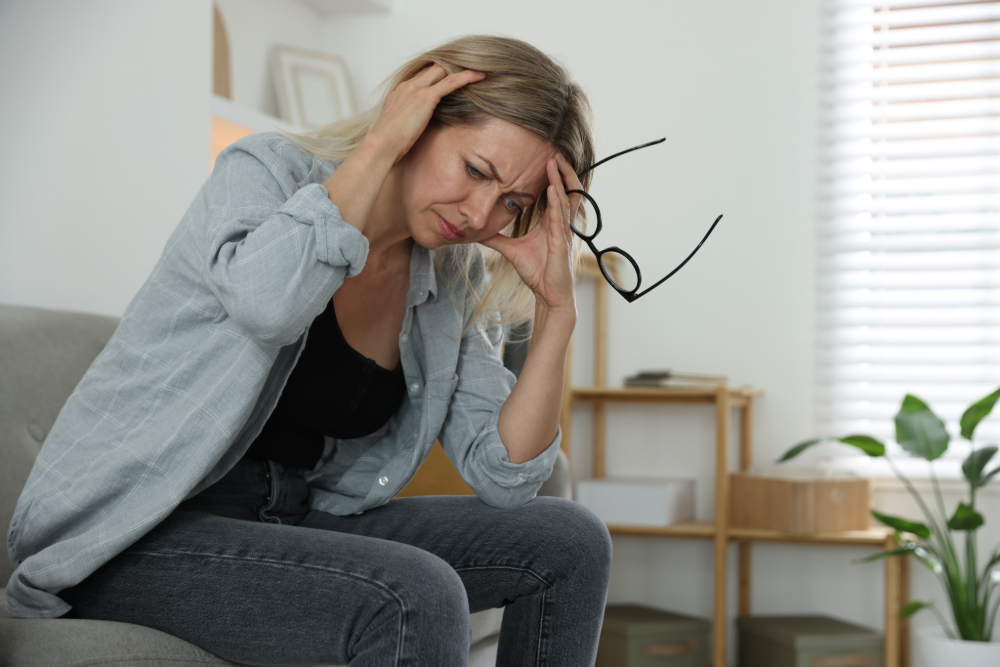
Perimenopause marks the start of hormonal changes. Estrogen levels begin to fluctuate, and your menstrual cycle may become unpredictable. This stage typically begins in the mid-40s but can occur earlier.
How Long the Transition Lasts

The length of perimenopause varies widely. For most, it lasts about six years, but it can range anywhere from a few months to nearly a decade. Genetics, lifestyle, and environment all play a role.
Also read: How to Thrive at Work as an Introvert Person
When Periods Stop for Good

You’ve officially reached menopause when you’ve gone 12 consecutive months without a period. At that point, the ovaries stop releasing eggs, and hormone levels settle at a lower baseline.
What Determines the Timing

Family history, smoking, certain medical treatments, and surgeries like hysterectomy can all influence when menopause begins. Some people reach it earlier, while others much later than average.
Symptoms Are Different for Everyone

There’s no universal menopause experience. Some breeze through it with mild hot flashes; others deal with mood swings, night sweats, or changes in libido and sleep patterns.
Your Body Sends Clear Signals
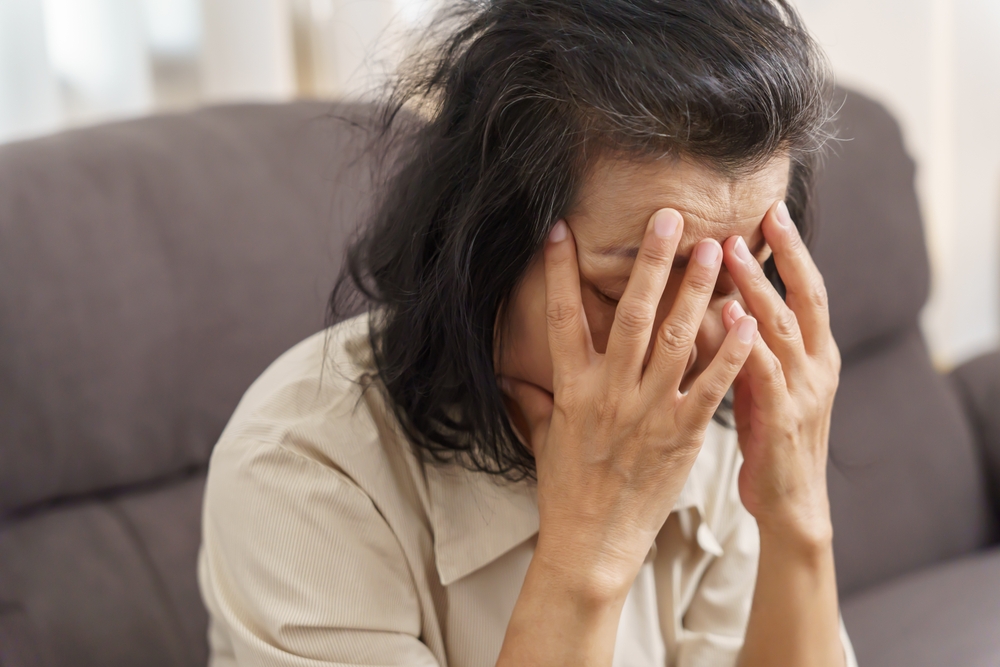
Irregular cycles, fatigue, headaches, and brain fog are among the most common signs that the body is in transition. Weight fluctuations and low energy are also typical in this stage.
Also read: These everyday symptoms could mean you’re developing diabetes
Emotions Follow the Hormones
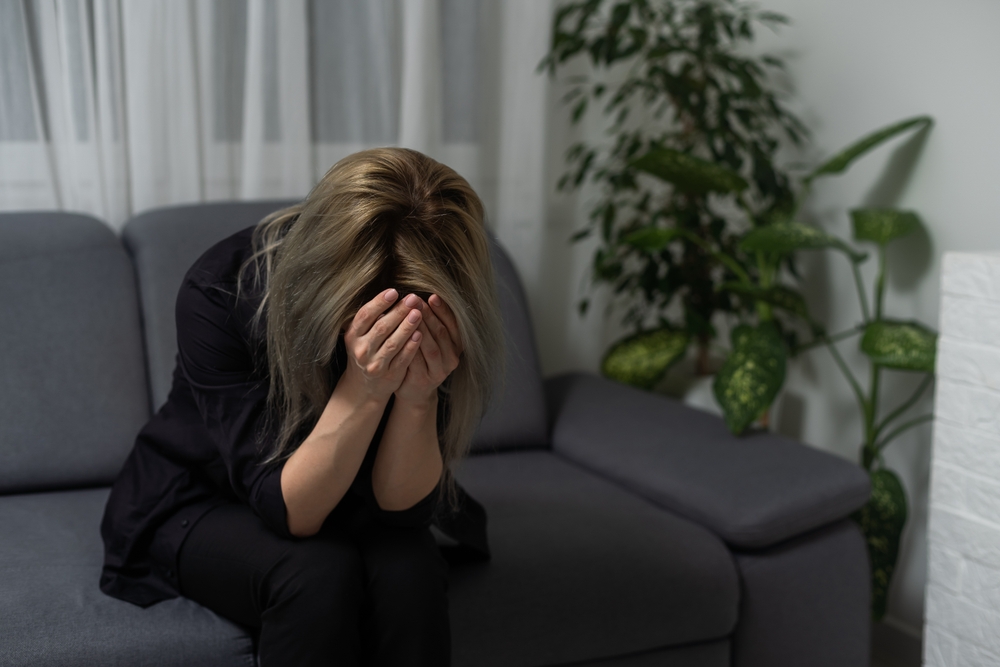
When estrogen and progesterone levels dip, mood shifts often follow. Irritability, forgetfulness, or feeling “off” are common and part of the body’s natural adjustment process.
When It’s Finally Over
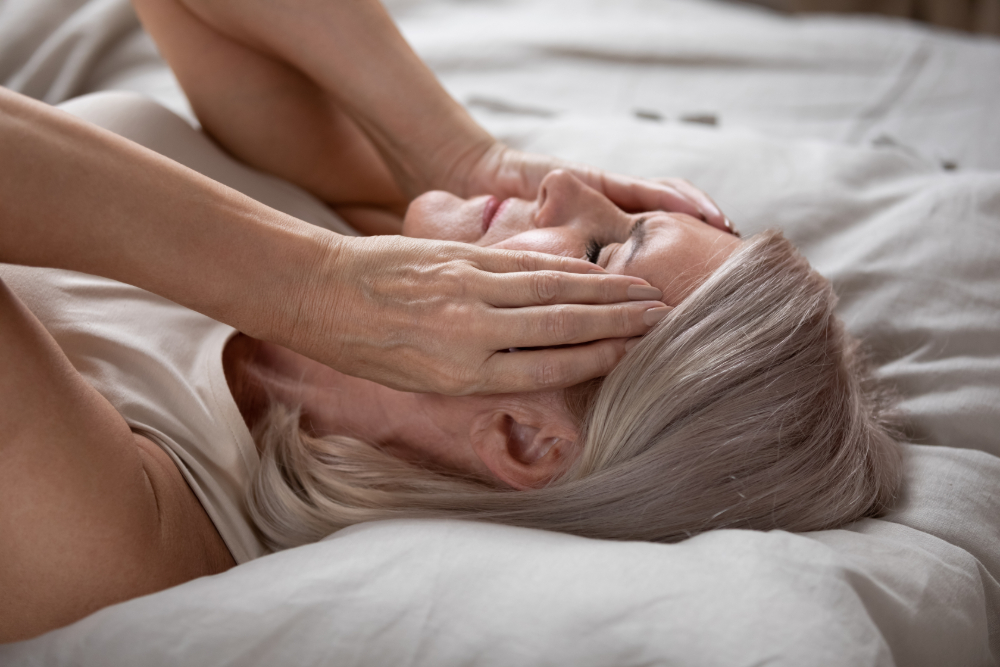
Menopause itself lasts only one year — that milestone of 12 period-free months. Afterward, you enter postmenopause, where hormones stabilize but symptoms may continue for a while.
Health Risks Change After Menopause

Lower hormone levels increase the risk of heart disease and bone loss. That’s why maintaining strong bones and cardiovascular health becomes more important during this time.
How to Support Your Body

Regular exercise, a nutrient-rich diet, vitamin D and calcium, and stress management all help. If symptoms interfere with daily life, talk to your doctor about treatments or lifestyle adjustments.
Also read: Scientists Find That Lack of Sleep Can Make Your Brain One Year Older
The New Normal

Once your body adjusts, many women report feeling more balanced and free — no more monthly cycles or hormonal rollercoasters. Menopause isn’t an ending; it’s simply the start of a new chapter.
The article is based on information from Healthline
Also read: Helpful Tips for Those Over 50: How to Stay Fit
This article is made and published by Mie Hermansen, who may have used AI in the preparation.