
Tea can complement a healthy lifestyle, but it is not a shortcut to weight loss. Research suggests that several types of tea may influence metabolism, fat burning and digestion in ways that support weight control.
Tea as support for weight control
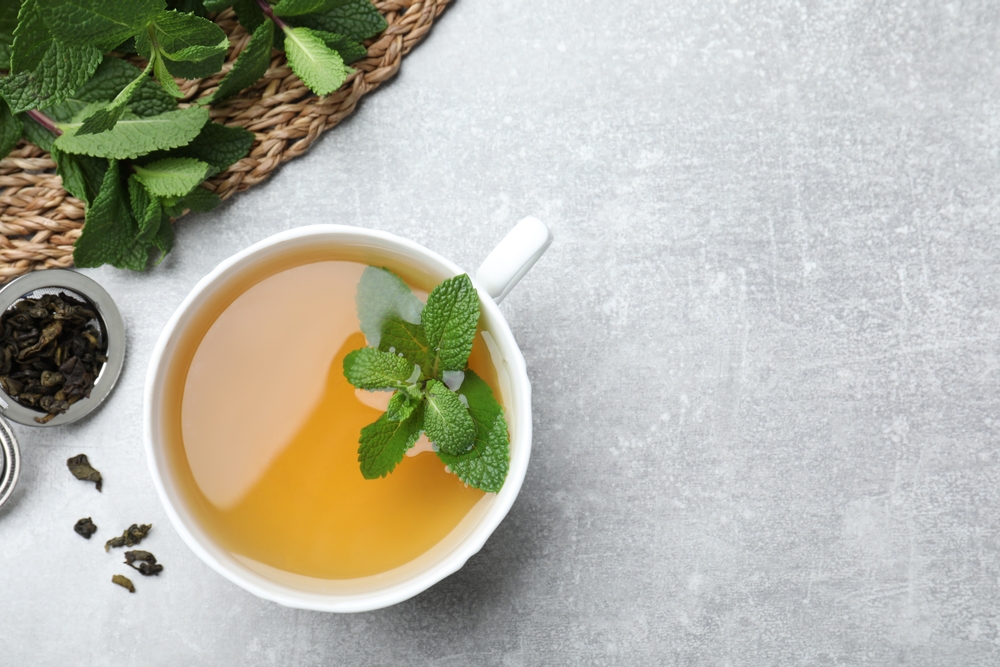
Although tea alone will not cause weight loss, it can be part of a balanced diet and regular exercise routine. Certain varieties contain antioxidants and plant compounds that may contribute to fat metabolism and overall health.
Green tea and fat burning
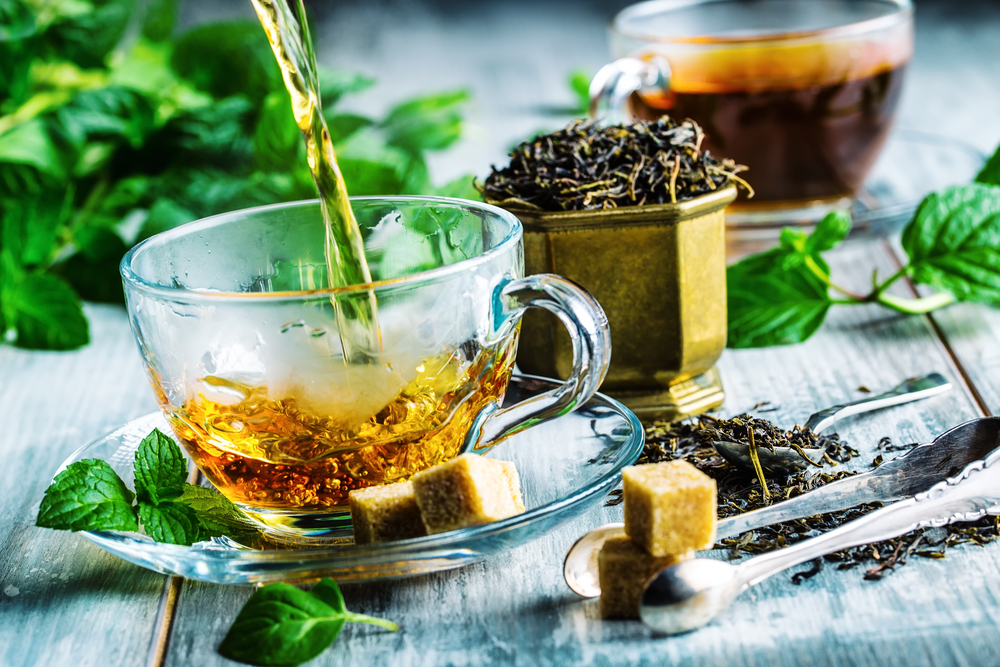
Green tea is known for its high content of catechins. These antioxidants have been linked to increased fat breakdown. Studies indicate that green tea and its extracts may boost metabolism and particularly support the reduction of abdominal fat. Its natural caffeine content may also help the body use fat as an energy source.
Black tea and energy use
Black tea contains polyphenols that may influence the development of overweight. During fermentation, flavonoids are formed, which can stimulate metabolism and support fat burning. Its relatively high caffeine level may also contribute to increased energy expenditure.
Also read: An everyday vitamin is being tested in cancer treatment
Oolong tea and fat oxidation

Research has associated oolong tea consumption with increased fat oxidation after as little as two weeks. This means the body becomes more efficient at converting fatty acids into energy. Oolong tea may also have a positive effect on blood sugar and insulin levels.
White tea and prevention of weight gain
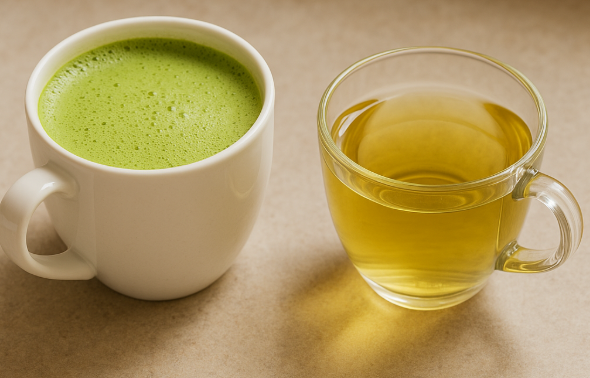
White tea contains high levels of antioxidants. Early studies suggest that regular intake may help prevent weight gain and support weight loss. Potential benefits have also been observed in relation to cholesterol, inflammation and hormonal imbalances in people with obesity.
Rooibos as a caffeine free option

Rooibos is naturally caffeine free and is increasingly studied for its health properties. It contains polyphenols and flavonoids such as aspalathin, which may help regulate blood sugar and possibly reduce body fat. Its naturally sweet taste makes it an alternative to sugary drinks.
Ginger and metabolism

Ginger tea may increase metabolic rate and the number of calories burned. Studies show that ginger supplements can lead to lower body weight. Ginger also supports movement in the gastrointestinal tract and may relieve discomfort such as indigestion, bloating, nausea and stomach pain.
Also read: Scientists study the relationship between coffee and fatty liver disease
Hibiscus and carbohydrate absorption
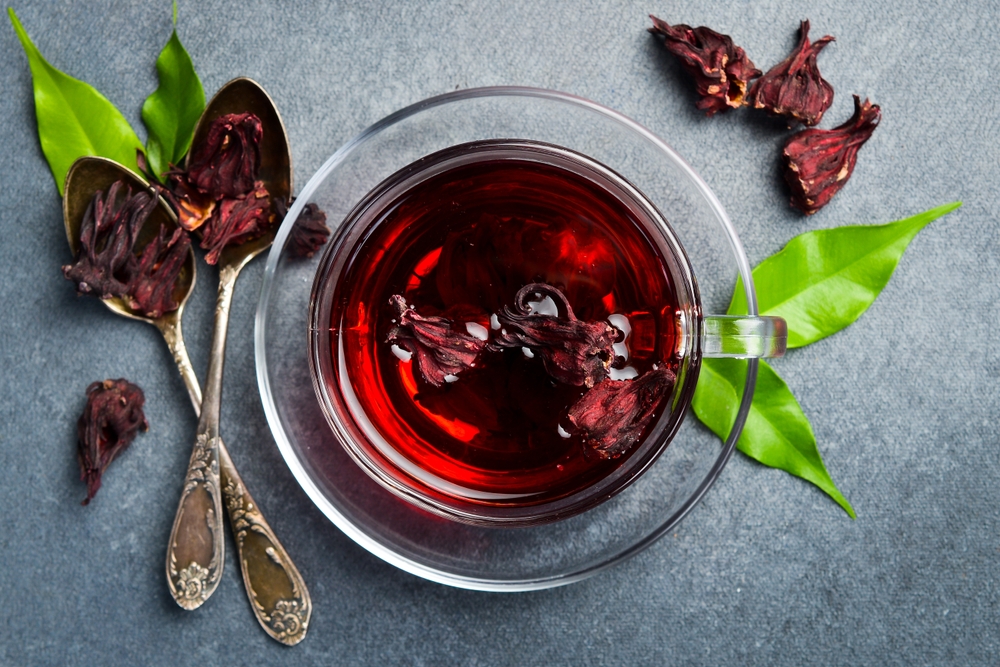
Hibiscus contains anthocyanins that may limit the body’s absorption of carbohydrates. This can reduce calorie intake from sugar and starch. Research suggests hibiscus extract may reduce fat accumulation, although relatively high doses are required for clear effects.
Peppermint and digestion
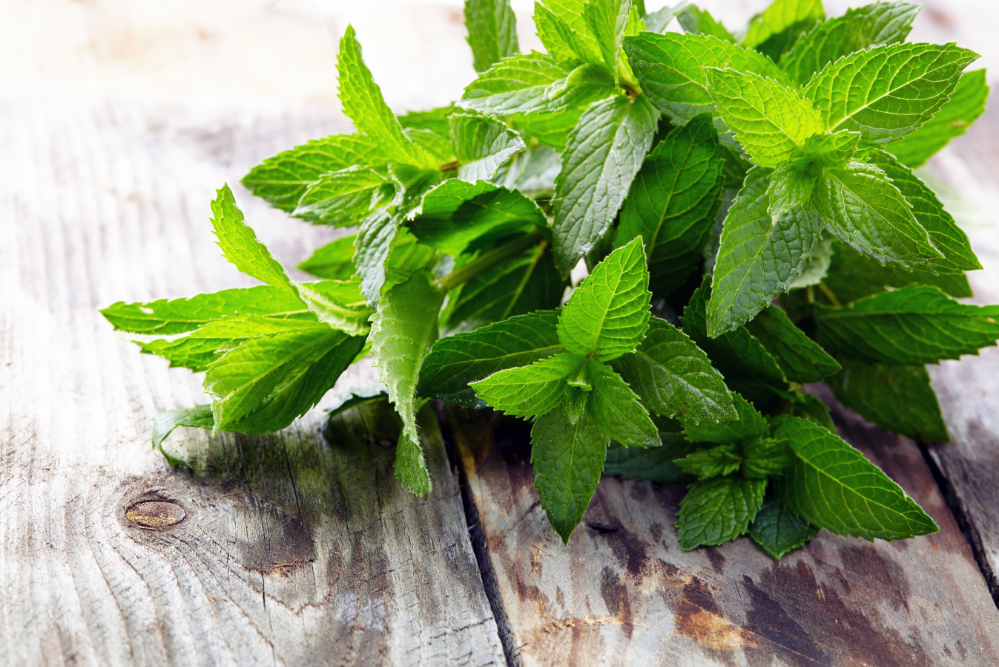
Peppermint tea contains antioxidants and menthol, which can relax muscles in the digestive tract. This may reduce stomach pain and improve digestion. Reduced bloating can create a temporary feeling of a flatter stomach.
Antioxidants and disease risk

Tea is generally rich in antioxidants that may support immune function and reduce inflammation. Green tea has also been associated with a lower risk of conditions such as heart disease and diabetes.
Waist size and BMI

People who regularly drink hot tea may have lower waist circumference and body mass index. However, other lifestyle factors play an important role.
Also read: Early childhood signs linked to Tourette’s syndrome
Amounts used in research

There are no official recommendations for tea intake for weight loss. In studies, three to four cups of green tea daily have been linked to weight reduction. Four or more cups per day have been associated with a 44 percent lower risk of developing abdominal fat. Three cups of black tea daily may increase antioxidant levels in the body.
When to consult a doctor

For most healthy adults, regular tea consumption is considered safe. However, it is advisable to consult a healthcare professional if the tea contains caffeine, if you have an underlying condition, or if you are taking medication.
Source: Verywell Health
Also read: Non-drug therapies show promise for osteoarthritis
Also read: Study finds 31% reduction in first heart attacks with cholesterol drug
This article is made and published by Mie Hermansen, who may have used AI in the preparation.