
Eating tuna daily may seem like a simple way to stay healthy, but it comes with both clear benefits and important risks to consider. The article is based on information from Parade
Tuna is packed with nutrients
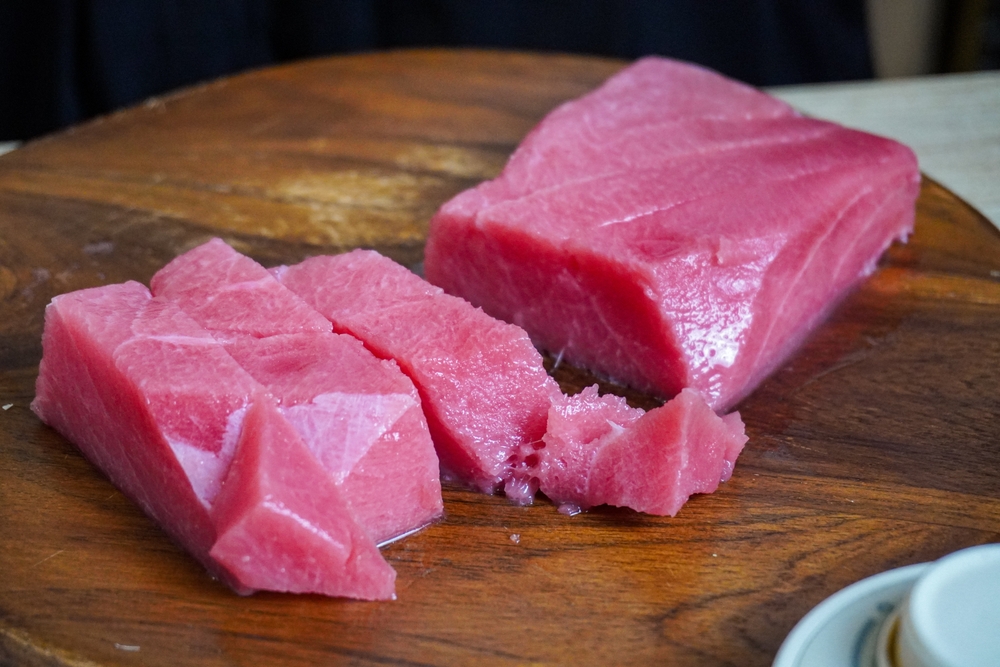
Tuna is rich in protein, omega-3 fatty acids, and key vitamins such as B6, B12, D, and E, along with selenium, all of which support overall health.
You efficiently meet your protein needs
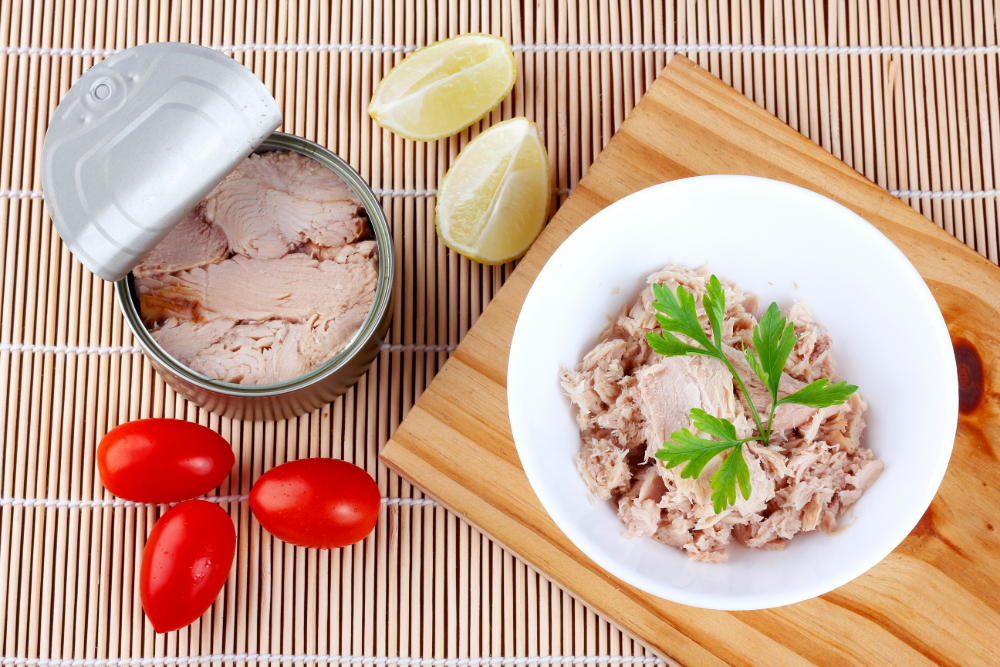
Its high content of lean protein helps build and maintain muscle mass while supporting cellular repair processes.
It’s a convenient everyday option
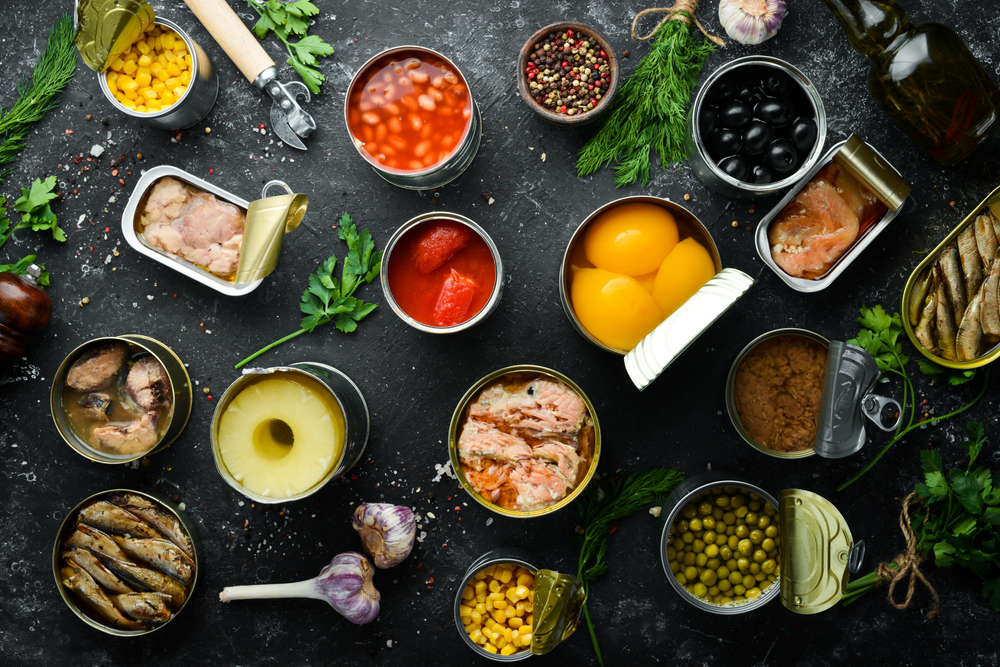
Tuna requires no preparation, has a long shelf life, and works in everything from salads to sandwiches and hot meals.
Also read: Climate changes are extending allergy season – here’s how to manage the symptoms
Your blood health and energy levels get support

Vitamin B12 plays a crucial role in forming red blood cells and can help prevent fatigue and anemia.
You increase your vitamin D intake
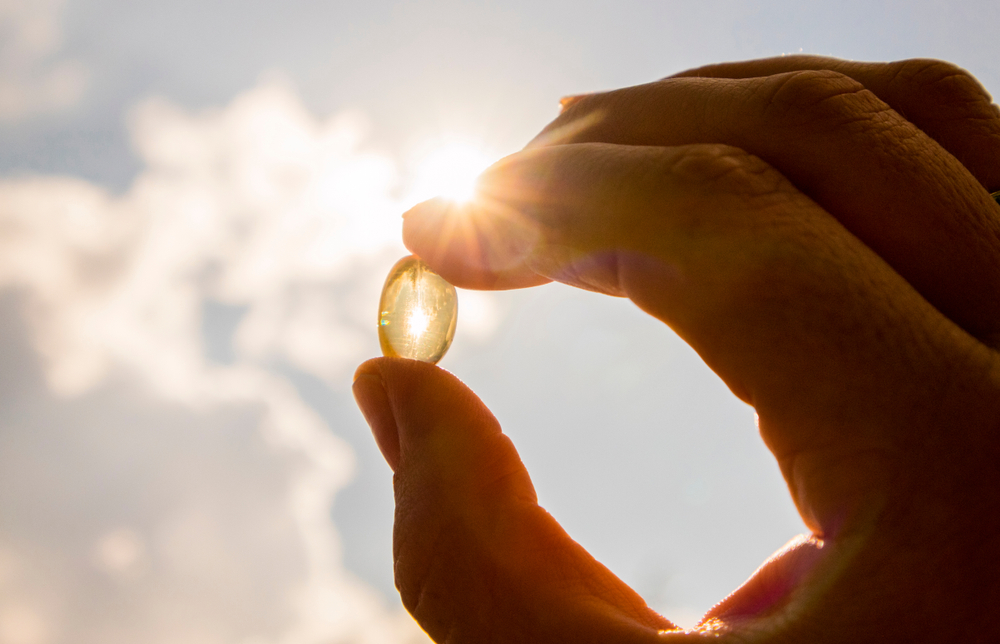
Tuna is one of the few natural food sources of vitamin D, which is especially important during periods with limited sunlight.
Omega-3 supports multiple body functions
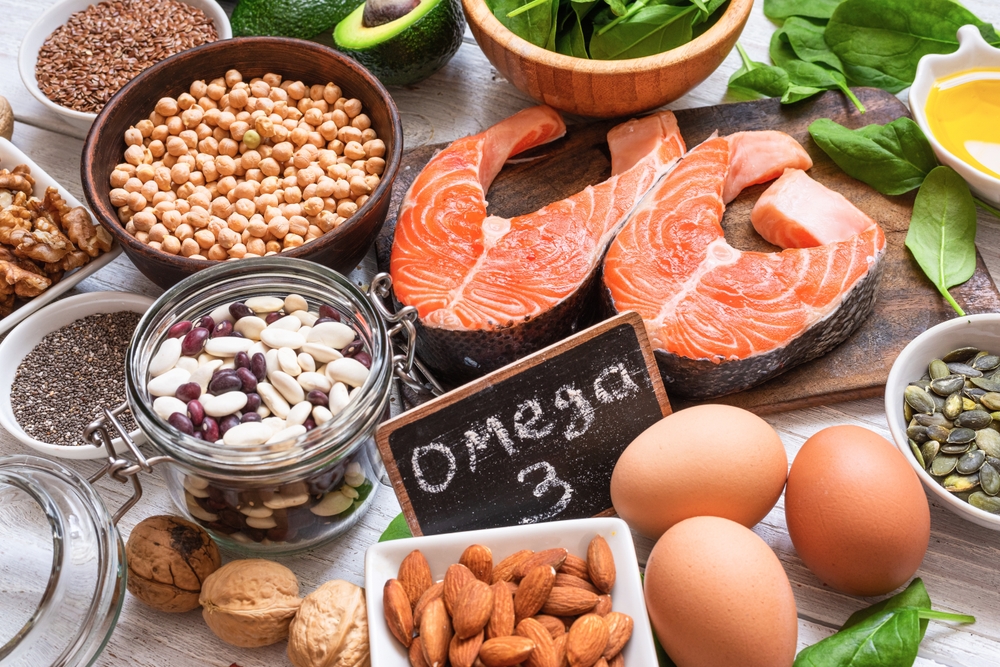
These essential fats help reduce inflammation and support the heart, brain, joints, immune system, and eyes.
Your vision may benefit

Omega-3s and antioxidants in tuna can help protect eye health and reduce the risk of conditions like dry eye and macular degeneration.
Also read: Just 11 extra minutes of sleep can make a big difference for your heart
You risk excess mercury intake

Eating tuna every day can lead to mercury buildup in the body, which may negatively affect the nervous system, especially in vulnerable groups.
Not all tuna is equal
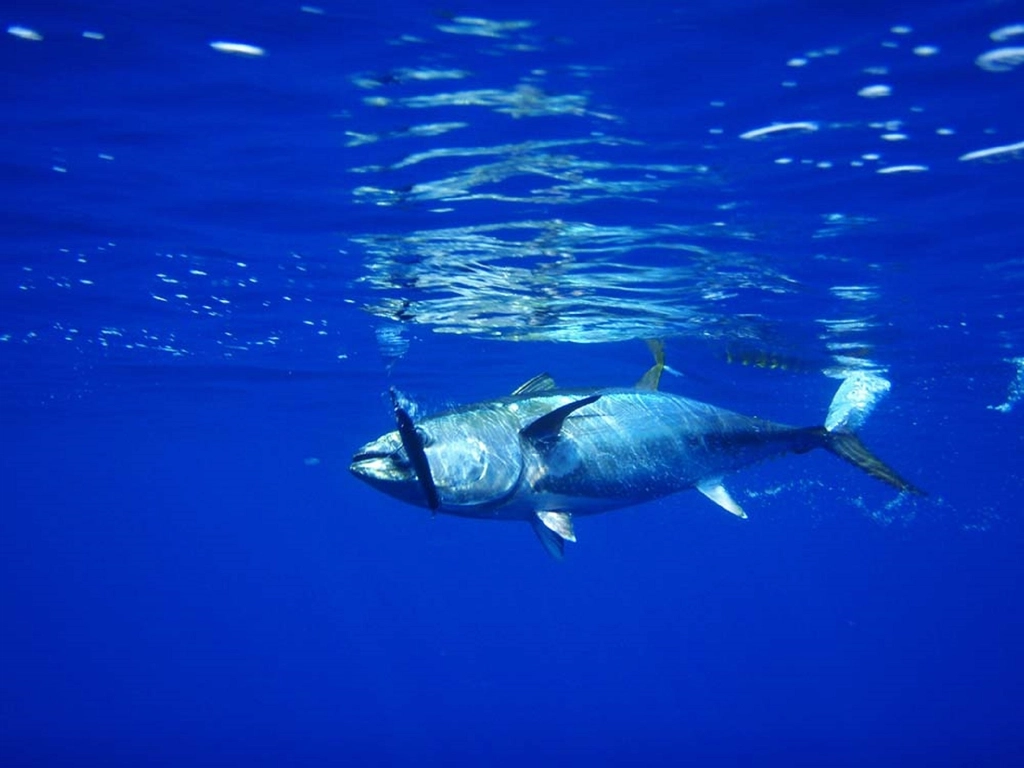
Varieties like albacore and yellowfin contain higher mercury levels, while skipjack generally contains less.
Your sodium intake may Increase
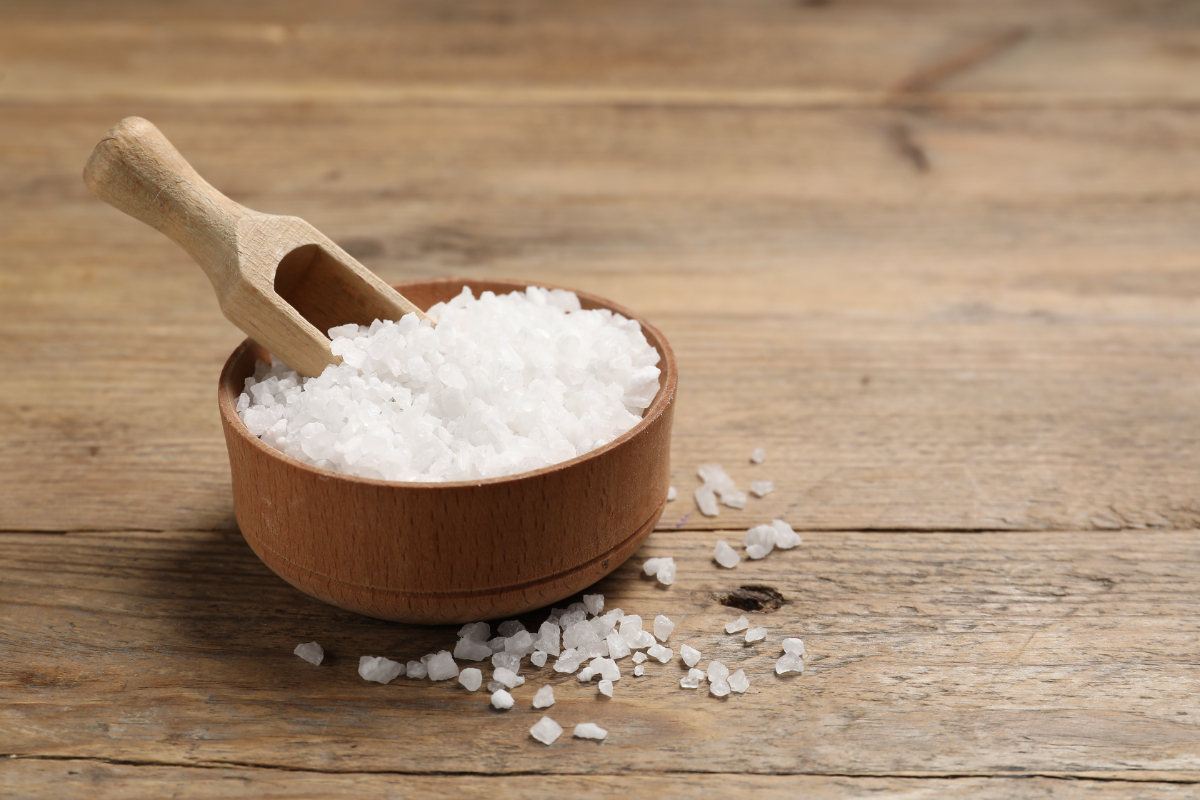
Some canned tuna contains added salt, which can be a concern for people with high blood pressure or heart conditions.
A lack of variety can affect your diet
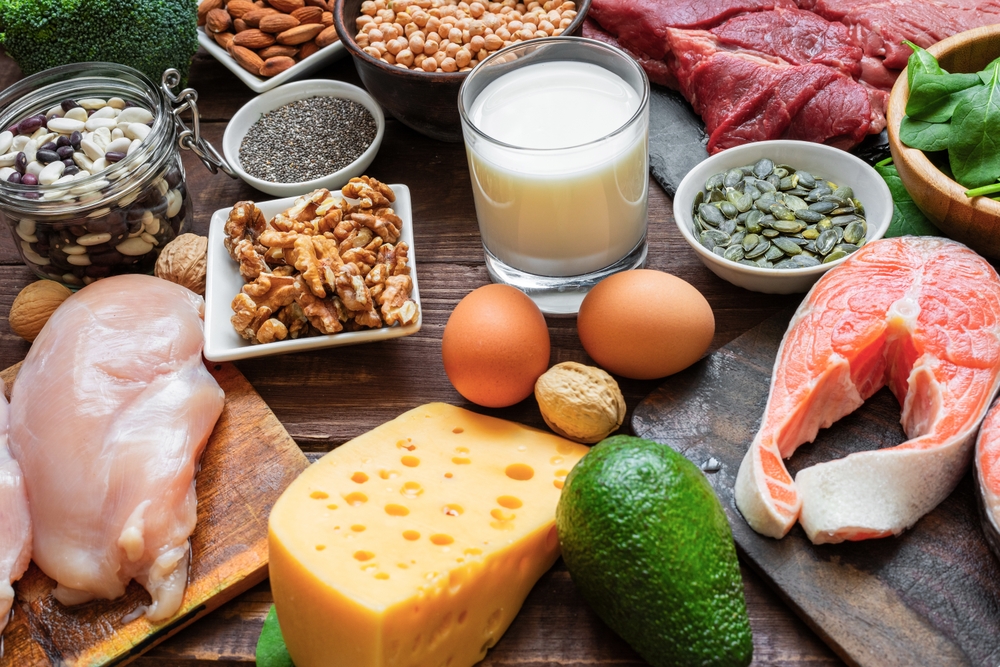
Relying heavily on tuna may limit dietary diversity, potentially reducing your intake of other essential nutrients such as carbohydrates and different types of fats.
Also read: New study: Japanese people live longer – but not necessarily healthier
Also read: Hospice nurse shares insights into final moments before death
This article is made and published by Mie Hermansen, who may have used AI in the preparation.