
Leftovers are a convenient solution in a busy everyday life, but they can quickly become a health risk if not handled properly. According to UNILAD, The Conversation and microbiologist Dr Primrose Freestone from the University of Leicester, some foods require extra caution.
Pasta can develop bacteria
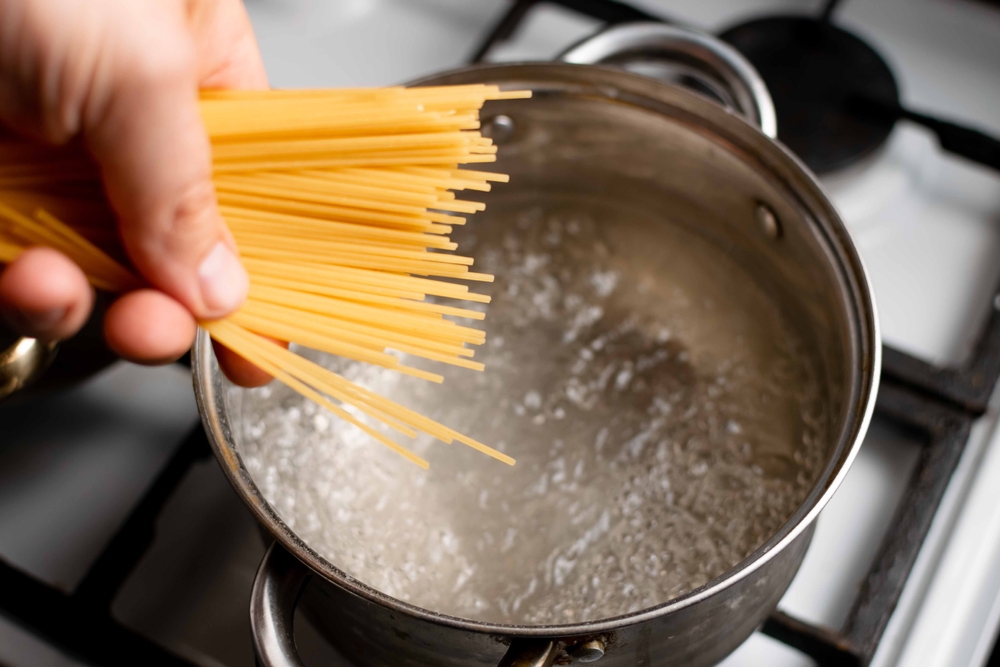
Pasta, like rice, can become a breeding ground for bacteria if it is not cooled quickly after cooking. When left at room temperature, bacteria have ideal conditions to grow and spread.
Rice can contain dangerous spores
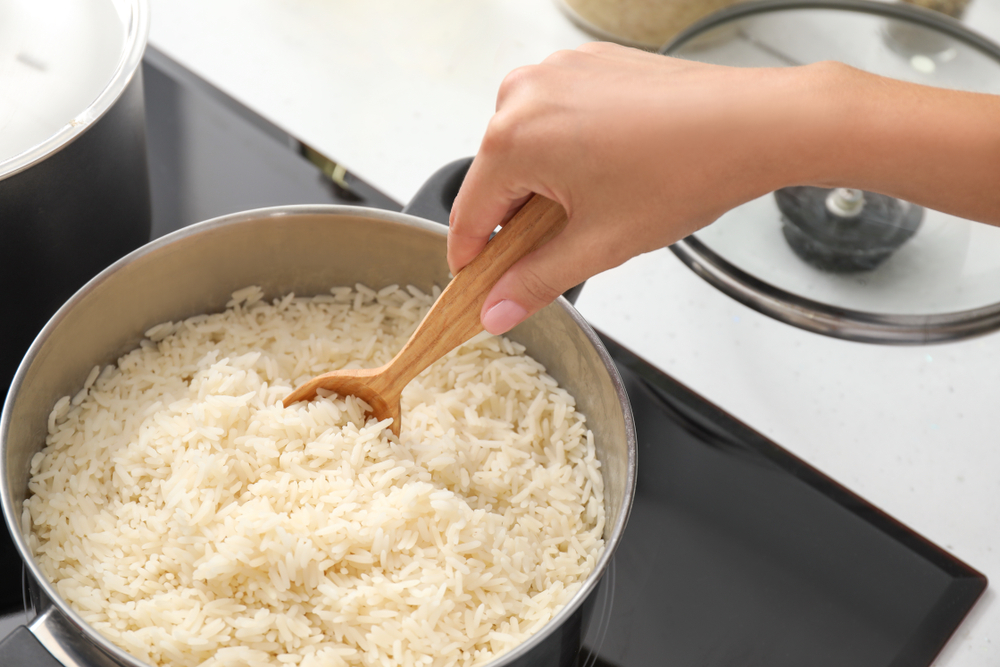
Rice may contain bacterial spores that survive the cooking process. If the rice is not handled properly afterward, these spores can develop and make the food unsafe to eat.
Cooked rice has a short shelf life
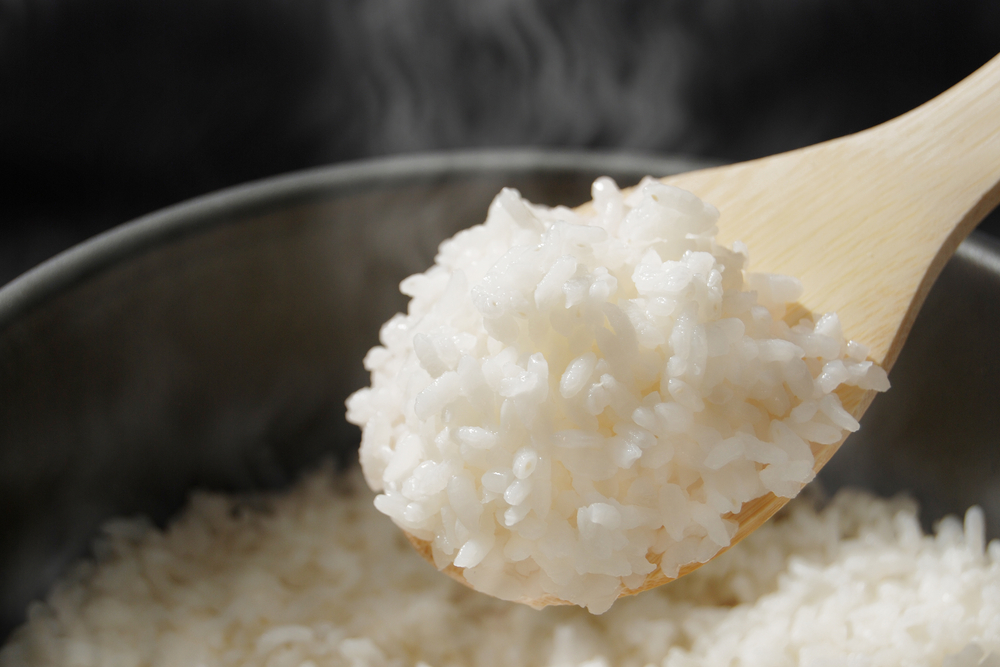
Once rice has been cooked and refrigerated, it should be eaten within 24 hours. Otherwise, it may develop toxins that can cause vomiting and diarrhoea.
Also read: How your bedroom temperature may affect your heart overnight
Chicken is highly perishable
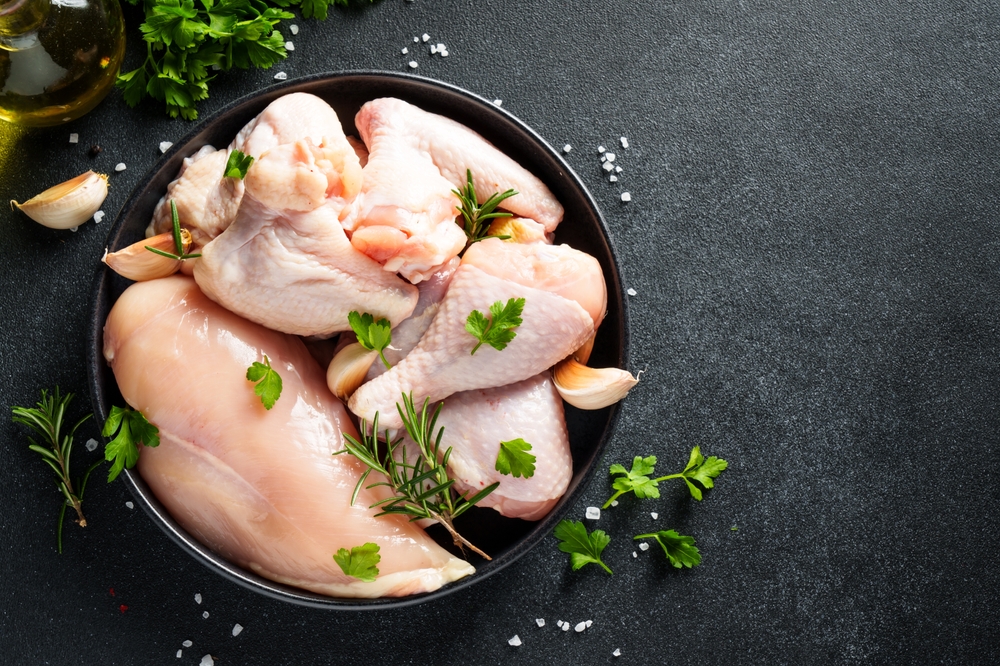
Cooked chicken is particularly vulnerable to bacterial growth as it cools. If not stored correctly, it can quickly become unsafe and increase the risk of food poisoning.
Chicken should be refrigerated quickly
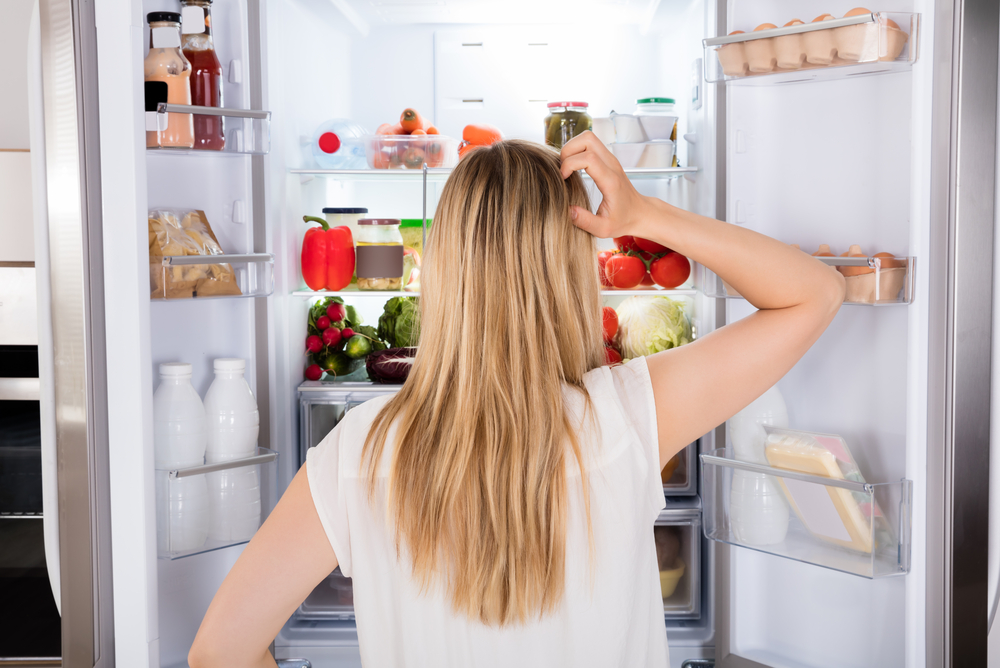
After cooking, chicken should be cooled and placed in the fridge as soon as possible. It should not be left at room temperature for more than a couple of hours and can be stored for up to three days.
Pizza can be a hidden risk
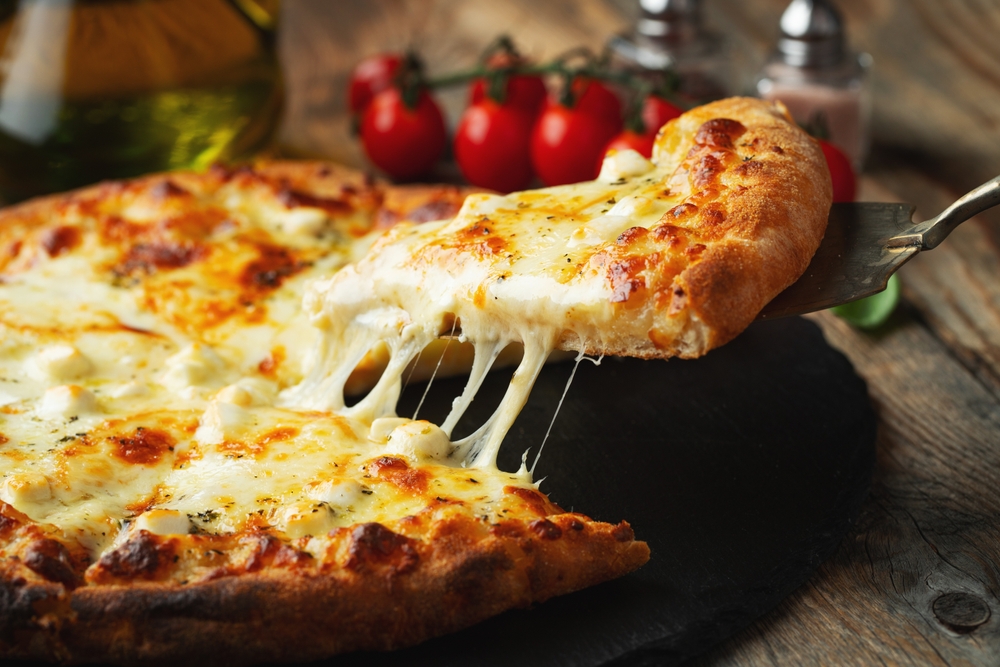
Pizza may seem harmless, but toppings and especially dried herbs can contain microorganisms from production. These can develop if the pizza is left out at room temperature.
Pizza should be eaten quickly
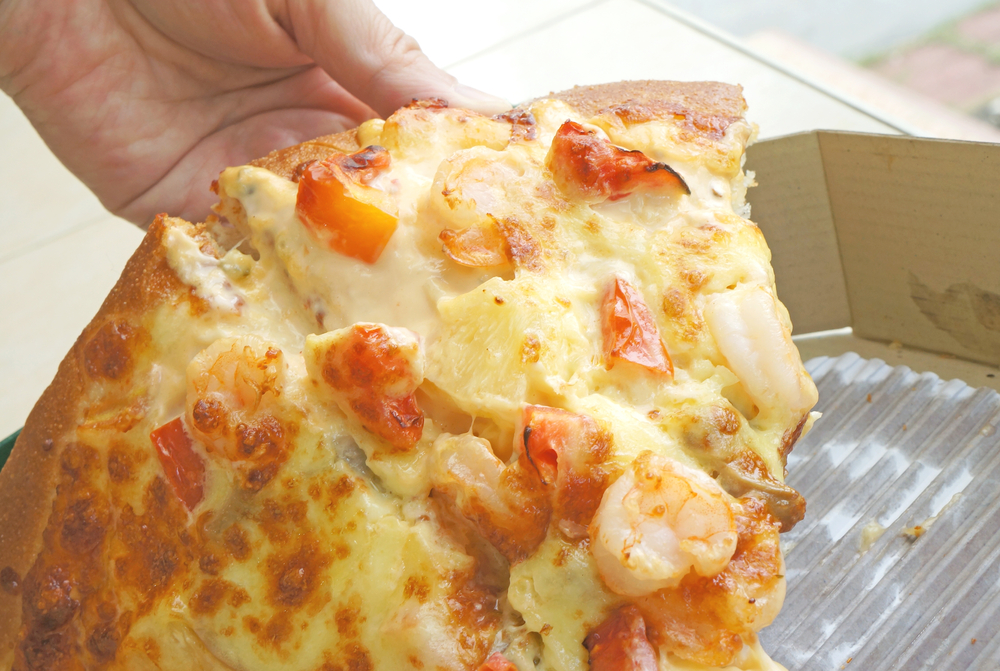
Even when stored properly in the fridge, pizza should not be kept for too long. It is recommended to eat it within two days.
Also read: Tea varieties that may support a reduction in abdominal fat
Canned food requires care after opening
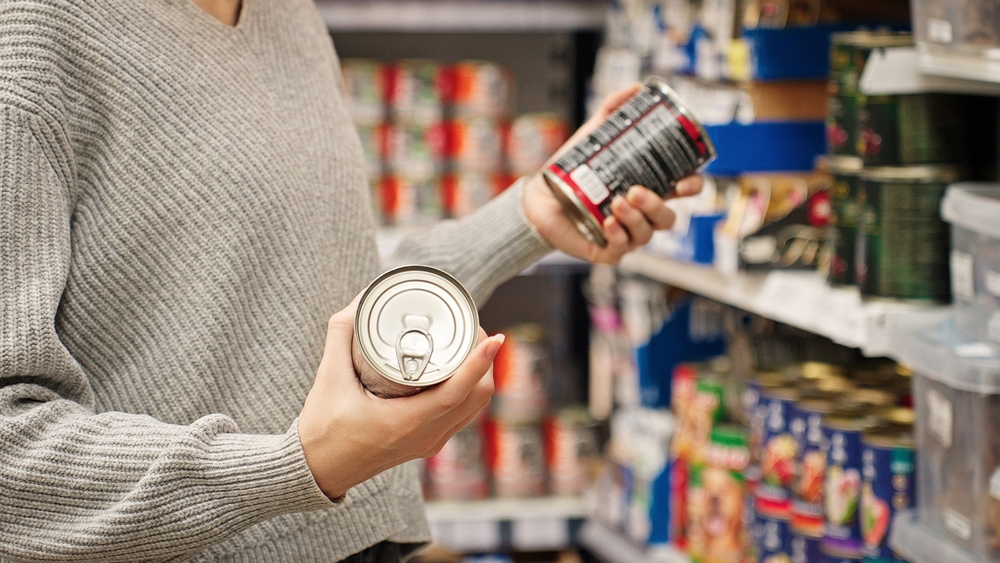
Once a can is opened, the contents lose their protection and can be exposed to bacteria from the surroundings. Proper storage is therefore essential.
Canned food has varying shelf life
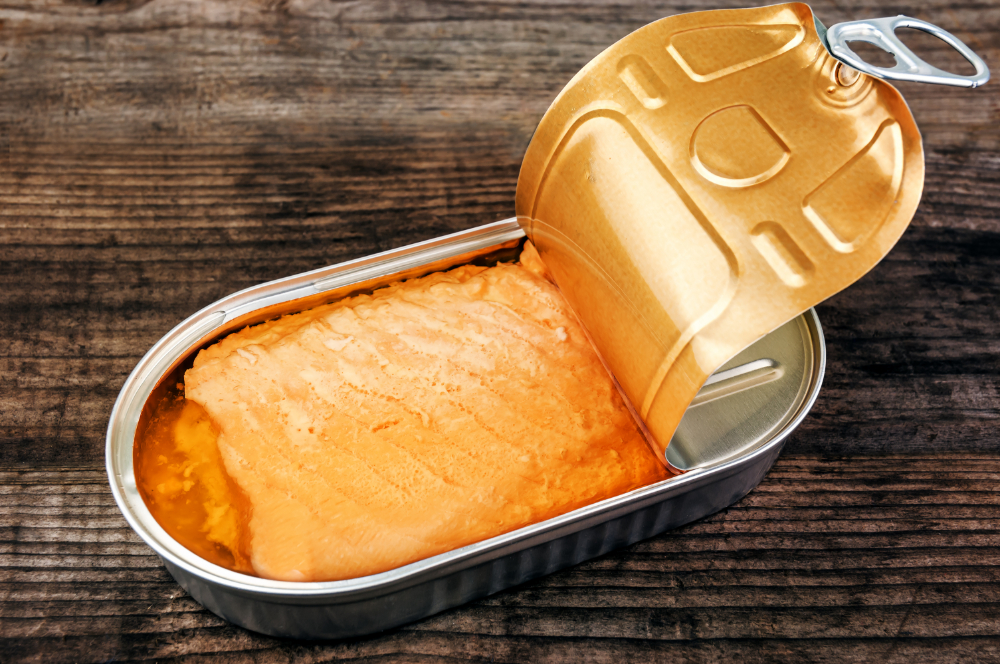
Shelf life depends on the type. Tomatoes can last five to seven days, while meat, fish, fruit, vegetables, and pasta should generally be eaten within three days.
Fish and seafood spoil quickly
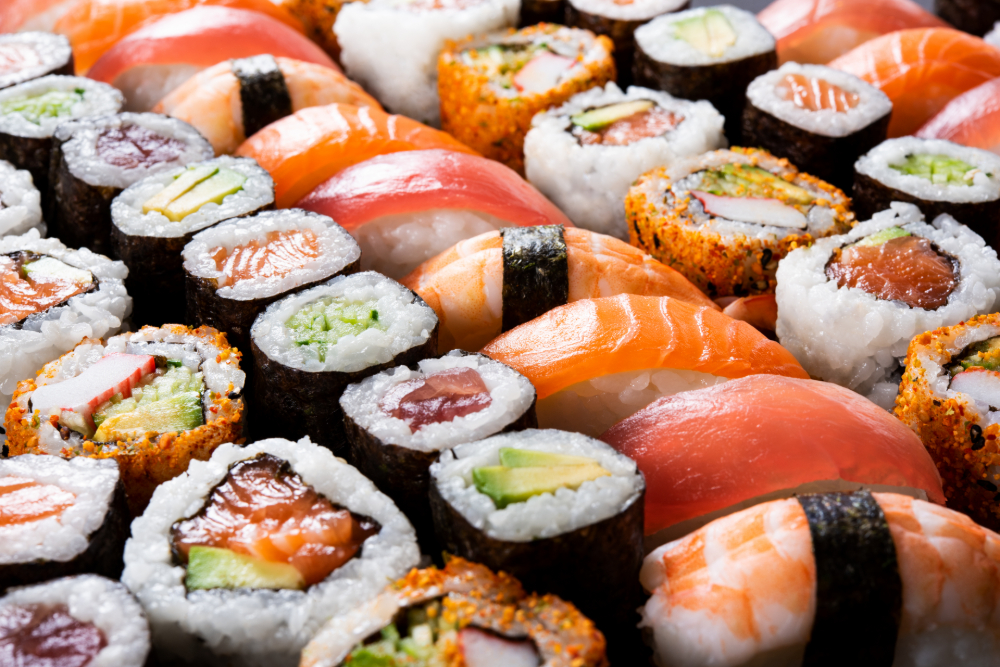
Fish and seafood are highly perishable and can go bad quickly. If not stored properly in the fridge, they can develop bacteria that may lead to illness.
Dairy products require constant refrigeration
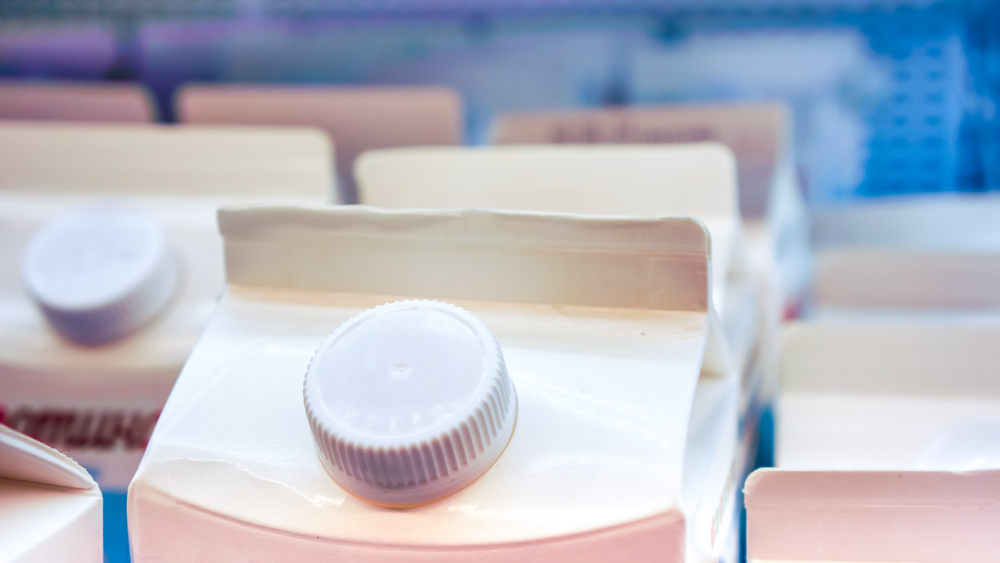
Dishes containing cream or other dairy products are sensitive to temperature changes and can spoil quickly if not kept cold.
Also read: An everyday vitamin is being tested in cancer treatment
Eggs can become a bacterial risk

Egg-based dishes should be stored in the fridge and eaten within a short time, as they can otherwise develop bacteria that make them unsafe to eat.
Also read: Scientists study the relationship between coffee and fatty liver disease
This article is made and published by Mie Hermansen, who may have used AI in the preparation.