
Pistachios are not just a popular snack with a distinctive taste.
According to EatingWell, they contain a range of nutrients that can have positive effects on the body. Here is what happens if they become a regular part of your diet.
A healthy blood pressure

Pistachios contain, among other things, calcium, magnesium, and potassium, which help regulate blood pressure, according to a study published in the British Journal of Nutrition.
Potassium helps counteract the effects of sodium in the body and supports the function of blood vessels.
Also read: Early symptoms of fatty liver disease as cases set to hit 1.8 billion by 2050
Eye health

The color of the nuts comes from the carotenoids lutein and zeaxanthin, which are found in the retina and protect the eyes from harmful light.
They may therefore reduce the risk of eye diseases, according to a study published in Plants.
Complete proteins
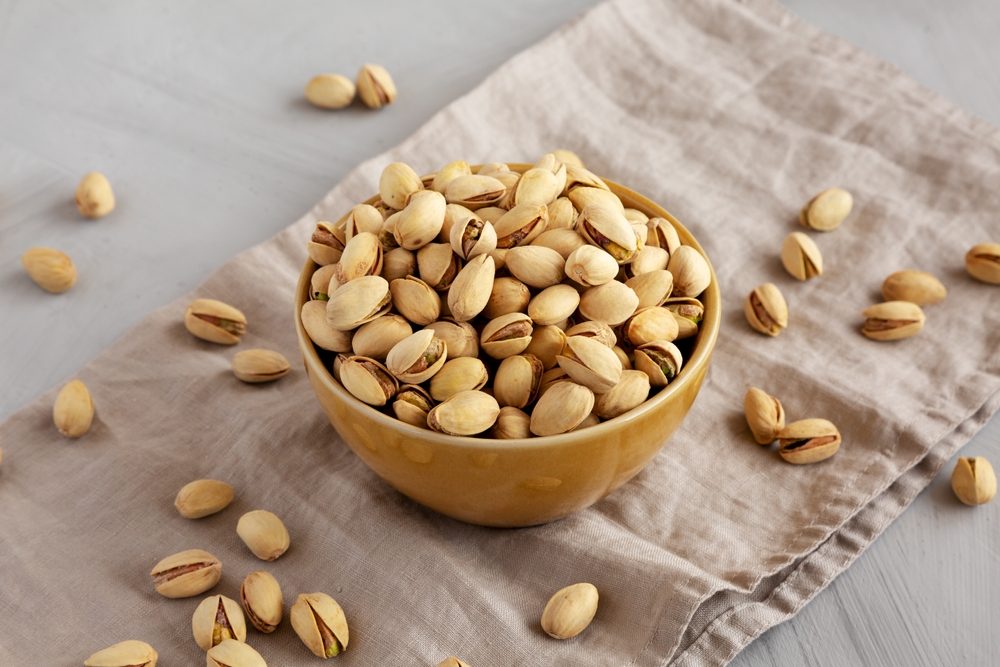
Pistachios are a source of protein containing all nine essential amino acids, making them particularly nutritious in a plant-based diet.
Healthy fats
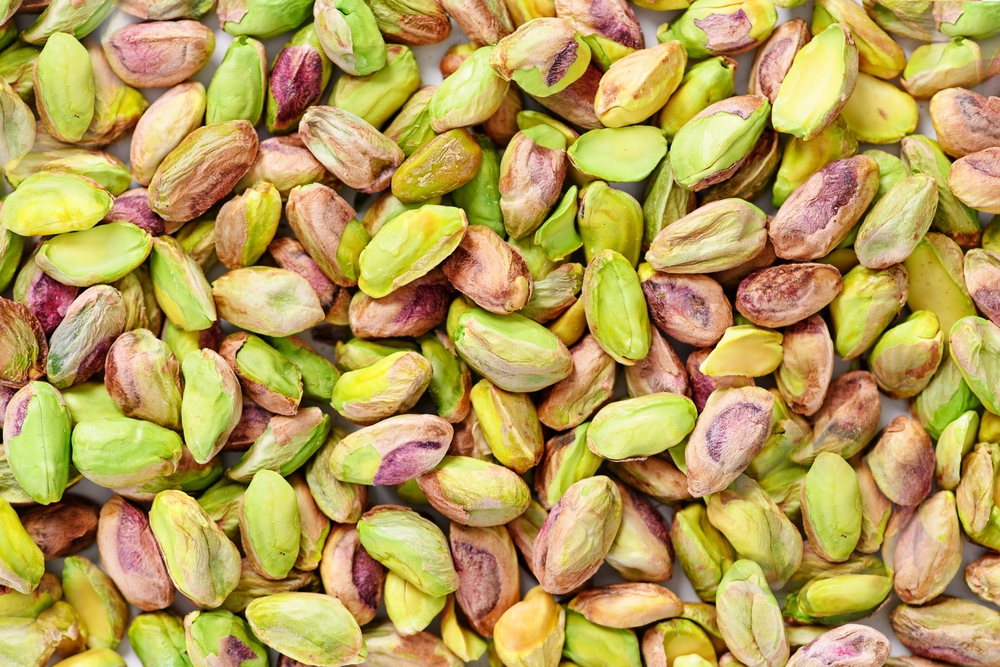
They contain both mono- and polyunsaturated fatty acids, which are known to be beneficial for the body.
Also read: New injection could change arthritis treatment
Rich in fiber
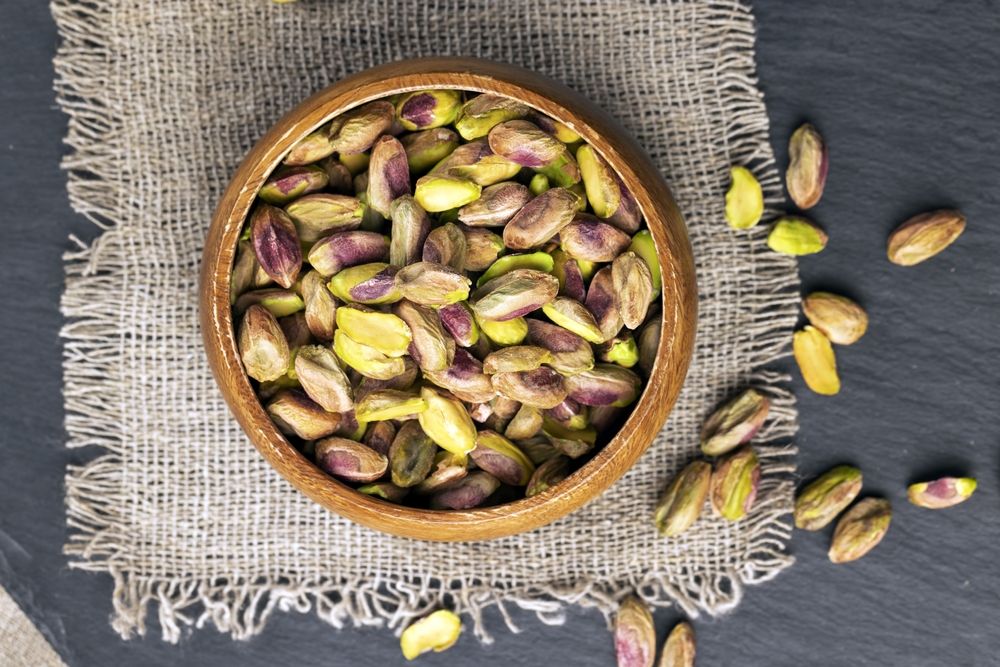
The fiber content in pistachios supports digestion and contributes to a healthy diet.
Weight control

The combination of protein and fiber increases the feeling of fullness, which may reduce the risk of overeating.
Not associated with weight gain

Data published in the Journal of Nutritional Science show that pistachio consumption is not linked to an increased risk of being overweight.
May improve dietary habits

People who eat pistachios daily have been shown to consume more fiber and fewer sweets, according to a study published in Nutrients.
Also read: Food authority advises against new potatoes for infants
May reduce waist circumference

Consuming nuts as a snack is associated with a smaller waist circumference compared to snacks high in carbohydrates, according to another study published in Nutrients.
May stabilize blood sugar
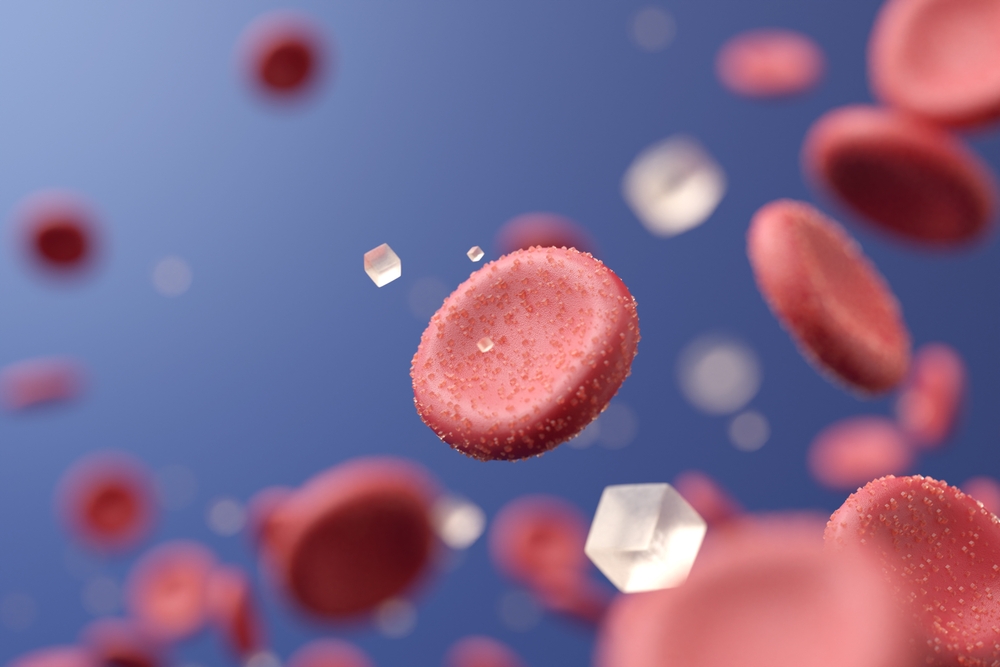
The content of fat, protein, and fiber helps regulate blood sugar by slowing the absorption of sugar into the bloodstream.
May support gut health

Daily intake may increase certain gut bacteria that produce butyrate, a fatty acid that is important for intestinal cells.
Contain important vitamins and minerals
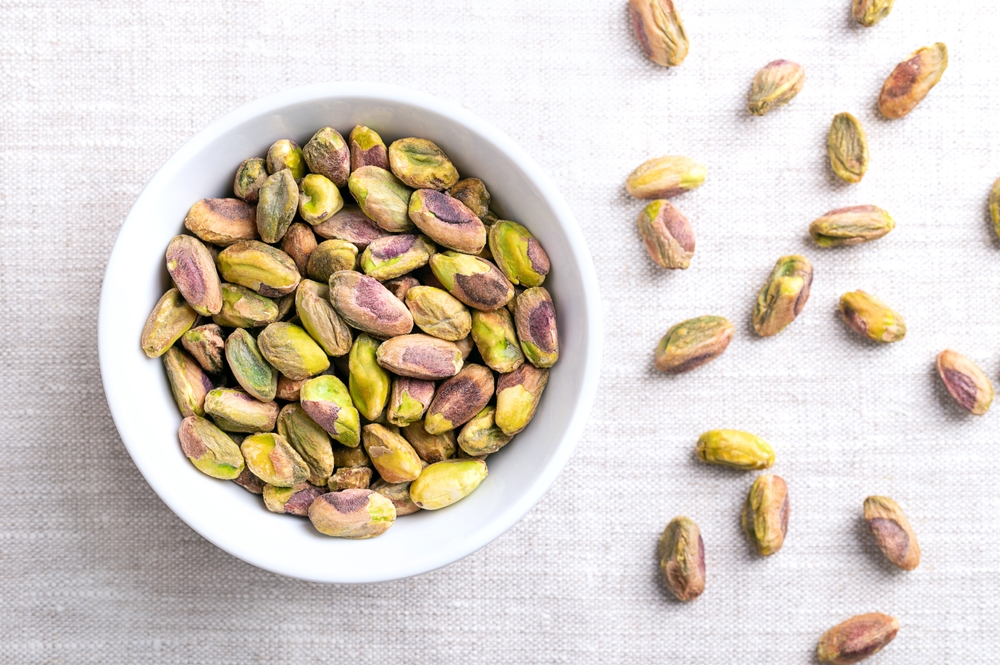
Pistachios provide nutrients such as potassium, magnesium, and folate, which support the body’s functions.
Also read: How protein powder can affect your body if you take it every day
Can be used in many dishes

They can be eaten as a snack, used in salads, as a crunchy topping, as a coating, or in desserts.
Generally safe to eat

For most people, pistachios are safe, but allergies, high intake, or certain health conditions may require caution.
Sources: EatingWell, British Journal of Nutrition, Plants, Journal of Nutritional Science, and Nutrients.
Also read: How raisins can affect your body if you eat them every day
This article is made and published by Ida-Marie Palm Varbæk, who may have used AI in the preparation.